Hongwu Emperor: Founder of the Great Ming Dynasty
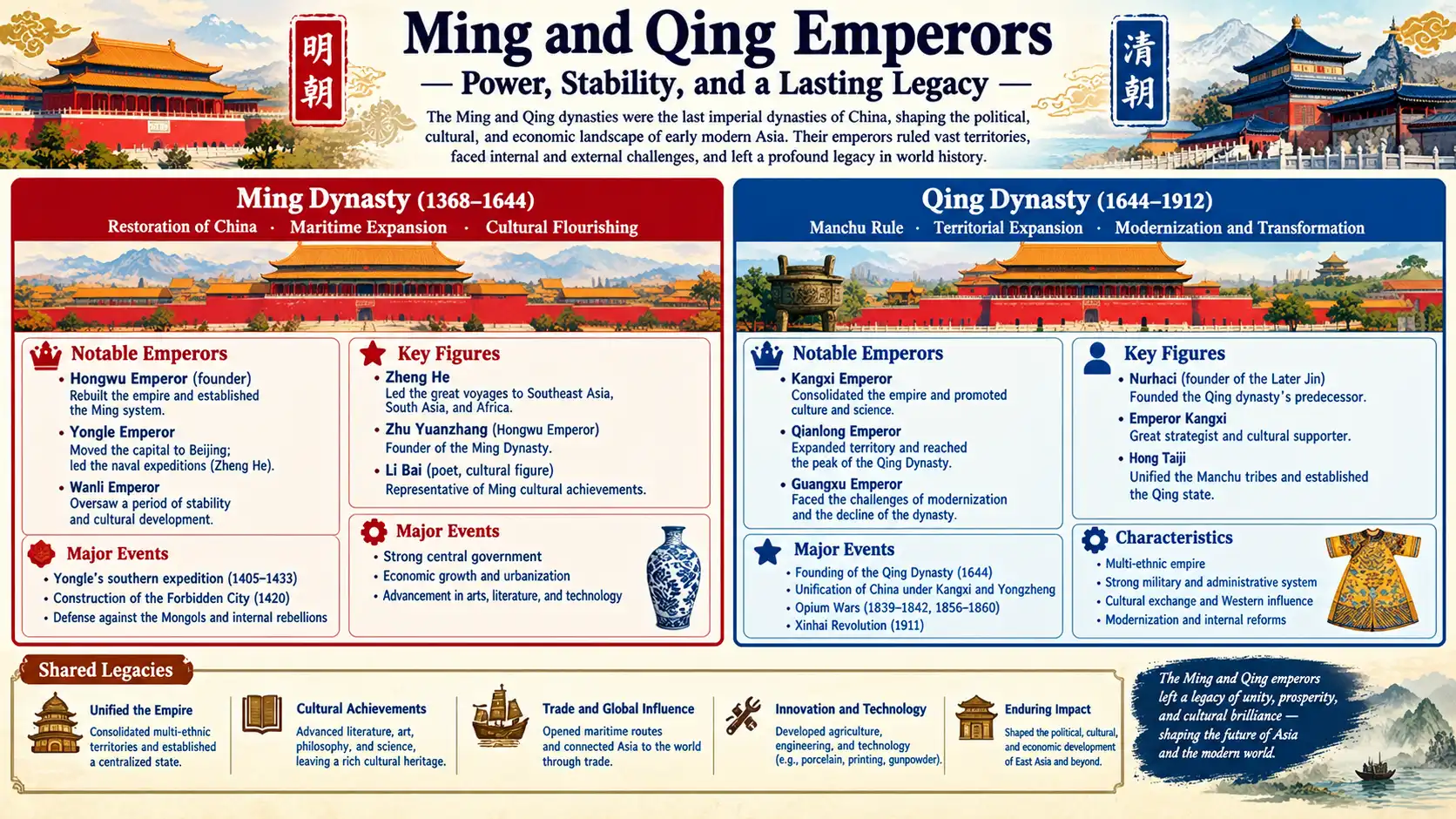
Hongwu Emperor
The Hongwu Emperor was the founding emperor of the Ming dynasty. Born into a impoverished peasant family, he suffered from famine and epidemic during his youth and lived in a Buddhist monastery during his early adulthood. Later, he joined the Red Turban Rebellion, a peasant revolt against the Yuan dynasty, and rose to prominence as a military leader. After defeating competing warlords across China, he proclaimed himself emperor in Nanjing in 1368, founding the Ming dynasty. That same year, his army captured the Yuan capital of Dadu (present-day Beijing), ending Yuan rule over China proper. Upon taking the throne, he worked on agricultural restoration, land and population surveys, tax reforms, and the codification of laws, while centralizing power under the throne. He was also known for executing massive purges, such as the cases of Hu Weiyong and Lan Yu, in which numerous officials and generals were put to death. He died in 1398 and was succeeded by his grandson, Zhu Yunwen, as the Jianwen Emperor.
Timeline
| Category | |
|---|---|
| Element |
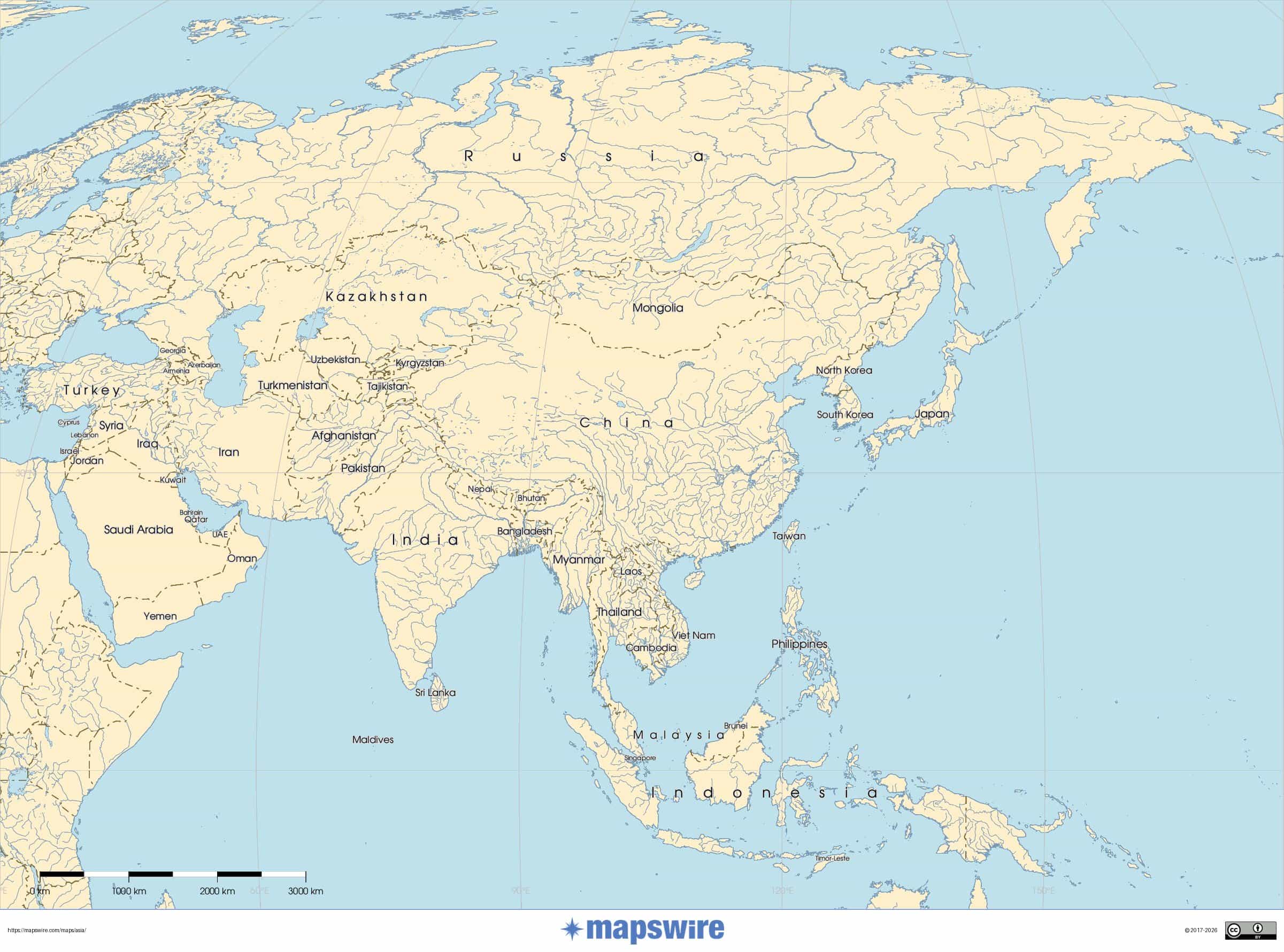
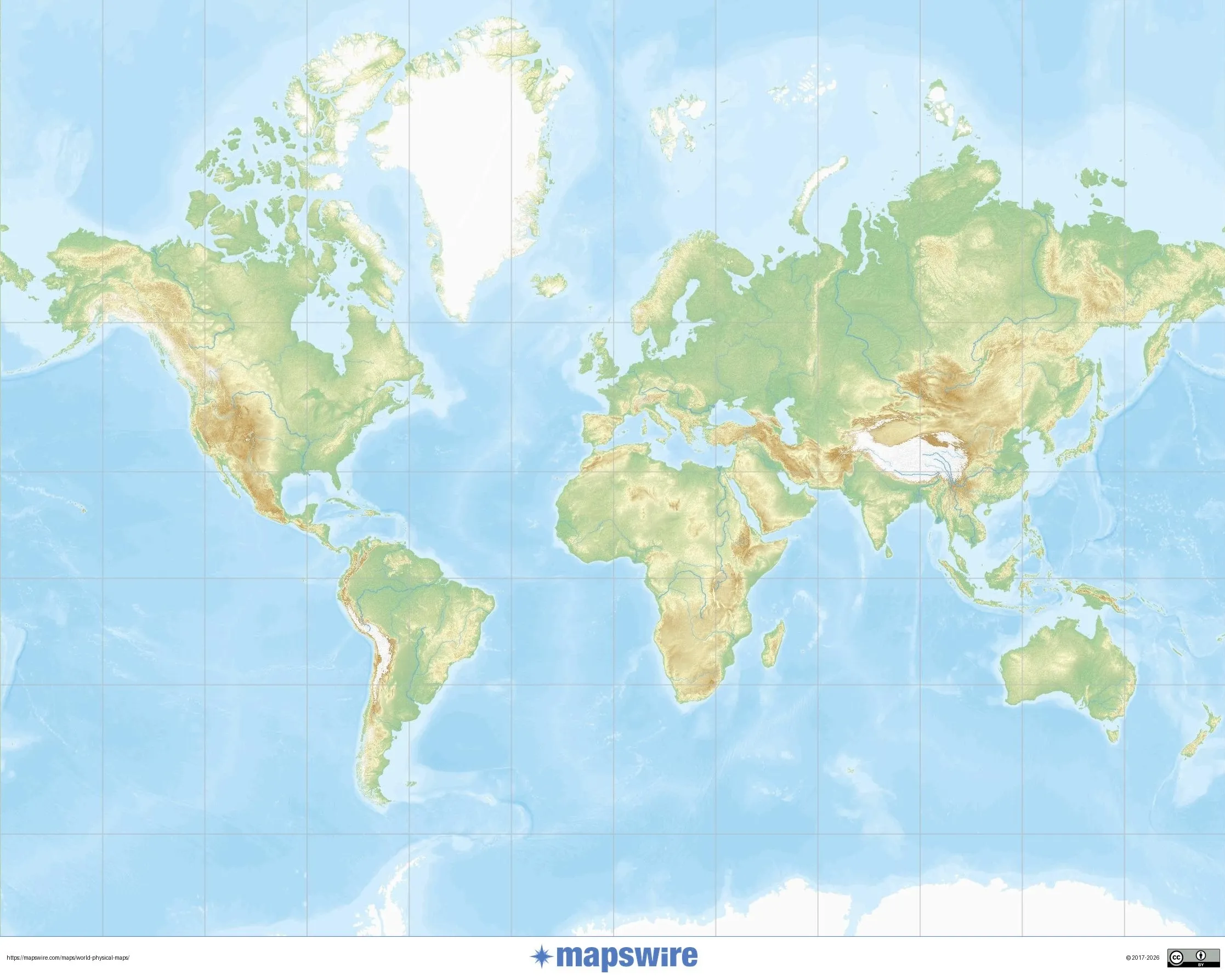
Map
| Category | |
|---|---|
| Element |
Asia
World
Comments