Founding of Joseon and Its Centralized Rule
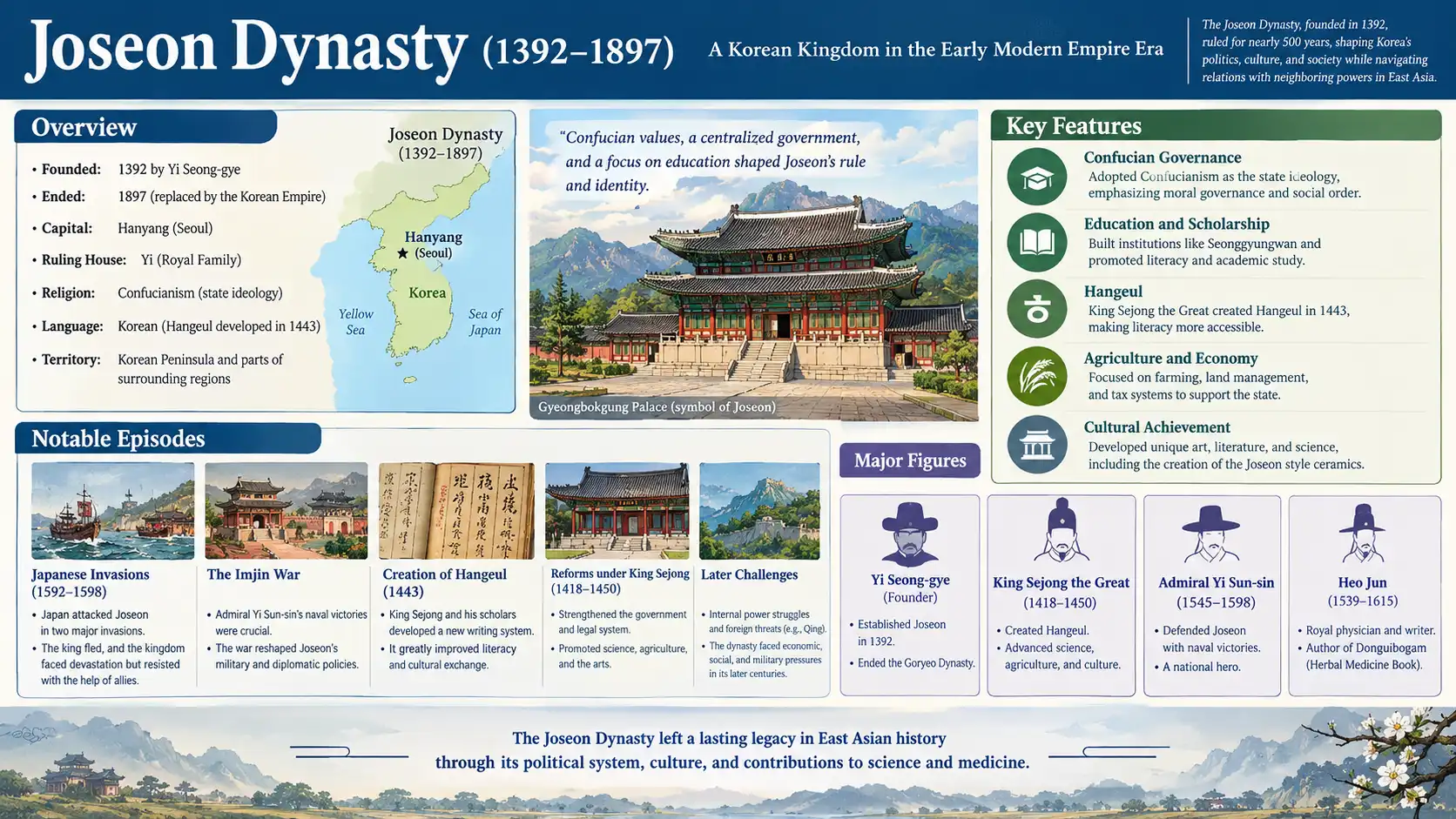
Joseon Dynasty
Founded in 1392 by Yi Seong-gye after replacing the Goryeo Dynasty, Joseon established Neo-Confucianism as its guiding state ideology. The dynasty created a centralized bureaucratic governance system, reorganized administrative and land tax structures, and fostered cultural achievements such as the creation of Hangeul under King Sejong. Facing major foreign crises including the Imjin War and Manchurian invasions, Joseon implemented long-term reforms like the Daedong Law. Its strong institutional framework and cultural heritage shaped Korea's early modern history until the late nineteenth century.
People
Birth
Death
Origin
Age (Death)
| 1367 | |
|---|---|
| 1397 | |
| 1417 | |
| 1457 | |
| 1482 | |
| 1488 | |
| 1539 | |
| 1542 | |
| 1552 | |
| 1575 | |
| 1595 | |
| 1661 | |
| 1694 | |
| 1752 |
Timeline
| Category | |
|---|---|
| Element |
| Year | Joseon Dynasty |
|---|---|
| 1367 |
Birth of Taejong (Period: June 21, 1367, Location: Near Hamhung, Hamgyongnam-do, South Korea (Goryeo-era Hamhung Royal Palace Villa))
|
| 1382 |
Marriage (King Taejong and Queen Wongyeong of the Min clan)
|
| 1392 |
Assassination of Jeong Mong-ju
Contributions to the founding of the Joseon Dynasty
|
| 1397 |
Birth of Sejong (Period: May 15, 1397 (converted to the Gregorian calendar; April 10 in the lunar calendar), Location: Seoul, South Korea (Hanyang at the time))
|
| 1398 |
First Prince's Rebellion
Anecdotes regarding the Hamhung Envoys
|
| 1400 |
Second Prince's Rebellion
Abolition of private armies and centralization of power
Stabilization of diplomatic relations with Ming China
Accession as the 3rd king of the Joseon Dynasty
|
| 1408 |
Marriage (King Sejong and Queen Soheon of the Sim clan)
|
| 1417 |
Birth of Sejo (Period: November 11, 1417, Location: Seoul, South Korea (Hanseong at the time))
|
| 1418 |
Deposition of Crown Prince Yangnyeong and selection of King Sejong as successor
Sim On Incident
Accession of King Sejong
Abdication in favor of King Sejong
|
| 1419 |
Tsushima Expedition
|
| 1420 |
Promotion of scholarship centered on Jiphyeonjeon (Hall of Worthies)
|
| 1422 |
Death of Taejong
Death and burial of King Taejong
|
| 1428 |
Marriage (King Sejo and Queen Jeonghui of the Yun clan)
|
| 1429 |
Compilation of the agricultural guide Nungsa Jikseol
|
| 1430 |
Establishment of Four Counties and Six Posts in the northern region
Development of calendrical science, astronomy, and technology
|
| 1433 |
Border conflicts between Joseon and Jurchen tribes
|
| 1442 |
King Sejong's later years and delegation of state affairs to the Crown Prince
|
| 1443 |
Diplomatic negotiations between Joseon and Tsushima following the expedition
|
| 1444 |
Land tax reform through the Gongbeop system
|
| 1445 |
Change of title to Grand Prince Suyang
|
| 1446 |
Creation of Hunminjeongeum (Hangul)
|
| 1450 |
Border conflicts with Jurchen tribes during the early Joseon Dynasty
Death of Sejong
|
| 1453 |
Gyeoyu Jeongnan (Coup of 1453)
|
| 1455 |
Abdication of King Danjong and accession of King Sejo
Accession as the 7th king of the Joseon Dynasty
Arrangement of royal ceremonial music
|
| 1456 |
Six Martyred Ministers Incident (Plot to restore King Danjong)
|
| 1457 |
Exile and death of King Danjong
Birth of Seongjong (Period: August 19, 1457, Location: Seoul, South Korea (Jaseondang inside Gyeongbokgung Palace, Hanseong at the time))
|
| 1460 |
Reform of the land system
Promotion of the compilation of Gyeongguk Daejeon
|
| 1467 |
Suppression of the Lee Si-ae Rebellion
Marriage (King Seongjong and Queen Gonghye of the Han clan)
|
| 1468 |
Death of Sejo
Death of King Sejo and succession of King Yejong
|
| 1469 |
Accession of King Seongjong
Suppression of Buddhist policies
|
| 1470 |
Establishment of Hongmungwan and recruitment of Neo-Confucian scholars
Promotion of scholarly and publishing initiatives
|
| 1474 |
Completion and implementation of Gyeongguk Daejeon
|
| 1476 |
Marriage (King Seongjong and Deposed Queen Yun)
|
| 1477 |
Strengthening of restrictions on the remarriage of widows
|
| 1479 |
Deposition of the Deposed Queen Yun
|
| 1480 |
Marriage (King Seongjong and Queen Jeonghyeon of the Yun clan)
|
| 1482 |
Execution by poison of the Deposed Queen Yun
Birth of Jo Gwang-jo (Period: August 23, 1482 (dates vary across sources when converted to the Gregorian calendar), Location: Seoul, South Korea (listed as Hanseong at the time in some sources; some list present-day Yongin, Gyeonggi-do as birth place))
|
| 1488 |
Birth of Jungjong (Period: April 25, 1488, Location: Seoul, South Korea)
|
| 1489 |
Yi Gu-ji Incident
|
| 1491 |
Jurchen Expeditions
Northern expeditions against Jurchen forces
|
| 1494 |
Death of King Seongjong and accession of Yeonsangun
|
| 1495 |
Death of Seongjong
|
| 1498 |
Muo Sahwa (First Literati Purge)
Studies under Kim Koeng-pil and cultivation of Neo-Confucian scholarship
|
| 1499 |
Marriage (King Jungjong and Queen Dangyeong of the Sin clan)
Marriage (Jo Gwang-jo)
|
| 1504 |
Gapja Sahwa (Second Literati Purge)
|
| 1506 |
Border conflicts with Jurchen tribes
Restoration of government order after the Yeonsangun era
Jungjong Coup
Accession of King Jungjong
|
| 1507 |
Marriage (King Jungjong and Queen Janggyeong of the Yun clan)
|
| 1510 |
Three Ports Disturbance (Sanpo Rebellion)
Spread of local self-governance and the Hyangyak system
Passing the civil service examination and entry into government service
Spread of Hyangyak and local social reform
|
| 1515 |
Court power struggles involving queens and maternal relatives
Neo-Confucian reforms led by Jo Gwang-jo
|
| 1517 |
Marriage (King Jungjong and Queen Munjeong of the Yun clan)
|
| 1518 |
Introduction of the Hyeonlyang-gwa (Recommendation Examination)
Abolition of Sogeokseo
|
| 1519 |
Third Literati Purge (Gimyo Sahwa)
Gimyo Sahwa (Third Literati Purge)
Advocacy for the removal of false merit honors
Execution by poison and posthumous rehabilitation
|
| 1520 |
Death of Jo Gwang-jo
|
| 1539 |
Birth of Heo Jun (Period: 1539 (exact date is subject to various theories), Location: Gangseo-gu, Seoul, South Korea (near present-day Gayang-dong))
|
| 1542 |
Birth of Yu Seong-ryong (Period: November 7, 1542, Location: Andong, Gyeongsangbuk-do, South Korea (near Hahoe Village))
|
| 1544 |
Death of Jungjong
Death of King Jungjong and succession of King Injong
|
| 1552 |
Birth of Seonjo (Period: November 26, 1552, Location: Seoul, South Korea (Hanseong at the time))
|
| 1564 |
Passing the civil service examination and start as an official
|
| 1567 |
Accession of King Seonjo
Promotion of Neo-Confucian politics and scholarship
|
| 1569 |
Marriage (King Seonjo and Queen Uiin of the Park clan)
|
| 1570 |
Activities as a physician in Naeuiwon (Royal Infirmary)
|
| 1575 |
Exacerbation of factional strife between Easterners and Westerners
Birth of Gwanghaegun (Period: June 4, 1575 (April 26 in the lunar calendar), Location: Seoul, South Korea (Hanseong at the time))
|
| 1590 |
Marriage (Gwanghaegun and Princess Consort Munseong)
Appointment as Right State Councillor and Left State Councillor
Treatment of the Crown Prince's smallpox
|
| 1592 |
First Japanese Invasion of Korea (Imjin War)
Ming military intervention and peace negotiations during the Imjin War
Naval battles of Yi Sun-sin and resistance by Righteous Armies
Delegation of state affairs to Crown Prince Gwanghae
Imjin War (Japanese invasions of Korea)
Appointment of Gwanghaegun as Crown Prince
Wartime governance as Crown Prince
Japanese invasion of Korea and flight of King Seonjo
Appointment as Chief State Councillor and wartime leadership
Accompanying King Seonjo during his evacuation
Fall of Hanyang to Japanese forces and royal flight
Outbreak of the Imjin War
|
| 1593 |
Issuance of royal decrees in Hangul
Involvement in the establishment of the Hullyeondo-gam (Military Training Command)
Second Siege of Jinju Fortress
|
| 1595 |
Birth of Injo (Period: December 7, 1595, Location: Haeju, South Korea (present-day South Hwanghae Province; birth place was the residence of Prince Jeongwon at the time))
|
| 1596 |
Commencement of the compilation of Dongui Bogam
|
| 1597 |
Second Japanese Invasion of Korea (Jeongyu Jaeran)
Second Japanese Invasion and retreat of Japanese forces
|
| 1598 |
Post-war recovery and court reconstruction
Post-war reconstruction and restoration of dynastic rule
Dismissal of Ryu Seong-ryong
Writing of Jingbirok (The Book of Corrections)
|
| 1600 |
Retirement from official posts and writing in later years
|
| 1602 |
Marriage (King Seonjo and Queen Inmok of the Kim clan)
|
| 1607 |
Death of Yu Seong-ryong
|
| 1608 |
Elimination of Prince Imhae
Implementation of the Daedong Law
Post-war reconstruction and rebuilding of palaces
Death of King Seonjo and exile of Heo Jun
Accession as the 15th king
Death of Seonjo
|
| 1609 |
Resumption of diplomatic and trade relations with Japan
|
| 1610 |
Balanced diplomacy between Ming and Later Jin
Marriage (King Injo and Queen Inryeol of the Han clan)
Completion of Dongui Bogam
|
| 1613 |
Gyeochuk Oksa (Literati Purge of 1613)
Publication of Dongui Bogam
|
| 1615 |
Death of Heo Jun
|
| 1618 |
Confinement of Queen Inmok
|
| 1619 |
Battle of Sarhū
Marriage (King Injo and Royal Consort Gwi-in Jo)
|
| 1620 |
Expansion of the Daedong Law and financial reform
|
| 1623 |
Deposition of Gwanghaegun and exile to Jeju Island
Accession of King Injo
Reorganization of the military system and enhancement of national defense
Injo Coup
|
| 1624 |
Yi Gwal's Rebellion
|
| 1627 |
First Manchu Invasion of Korea (Dingmao Horan)
|
| 1636 |
Second Manchu Invasion of Korea (Byeongja Horan)
|
| 1637 |
Surrender at Samjeondo
Stay of Crown Prince Sohyeon and Grand Prince Bongnim in Qing China
|
| 1638 |
Marriage (King Injo and Queen Jangryeol of the Jo clan)
|
| 1641 |
Death of Gwanghaegun
|
| 1645 |
Beginning of personal rule
Return and death of Crown Prince Sohyeon
Death of Crown Prince Sohyeon and change of successor
|
| 1649 |
Death of King Injo and accession of King Hyojong
Death of Injo
|
| 1661 |
Birth of Sukjong (Period: October 7, 1661, Location: Seoul, South Korea (Hanseong at the time, Gyeonghuigung Palace))
|
| 1670 |
Marriage (King Sukjong and Queen Ingyeong of the Kim clan)
|
| 1674 |
Gabin Yesong (Ritual Controversy of 1674)
Accession as the 19th king
|
| 1678 |
Establishment of the monetary system and circulation of Sangpyeong Tongbo
|
| 1680 |
Gyeongsin Hwanguk (Political Turnabout of 1680)
Marriage (King Sukjong and Royal Noble Consort Suk-bin Choe)
|
| 1681 |
Marriage (King Sukjong and Queen Inhyeon of the Min clan)
|
| 1689 |
Gisi Hwanguk (Political Turnabout of 1689)
Marriage (King Sukjong and Royal Noble Consort Hui-bin Jang)
|
| 1694 |
Gapsul Hwanguk (Political Turnabout of 1694)
Birth of Yeongjo (Period: October 31, 1694, Location: Seoul, South Korea)
|
| 1701 |
Execution of Lady Jang Hui-bin
|
| 1702 |
Marriage (King Sukjong and Queen Inwon of the Kim clan)
|
| 1704 |
Marriage (King Yeongjo and Queen Jeongseong of the Seo clan)
|
| 1712 |
Erection of the Baekdu Mountain Border Stele
|
| 1720 |
Promotion of the Tangpyeong (Impartiality) Policy
Death of Sukjong
Death of King Sukjong and succession of King Gyeongjong
|
| 1721 |
Sinim Sahwa (Political Purges of 1721–1722)
|
| 1724 |
Northern border defense and response to Jurchen forces
Accession of King Yeongjo and controversy over royal succession
Accession of King Yeongjo
Establishment of legal and administrative systems
|
| 1726 |
Marriage (King Yeongjo and Royal Consort Yeong-bin Lee)
|
| 1728 |
Musin Rebellion (Yi In-jwa's Rebellion)
Suppression of Yi In-jwa's Rebellion in Cheongju
|
| 1750 |
Implementation of the Gyunyeongnyeok Law (Equalized Tax Law)
|
| 1752 |
Birth of Jeongjo (Period: October 28, 1752, Location: Seoul, South Korea (Hanseong at the time, Changgyeonggung Palace))
|
| 1758 |
Policy banning Catholicism
|
| 1759 |
Marriage (King Yeongjo and Queen Jeongsun of the Kim clan)
|
| 1762 |
Impact of Crown Prince Sado's death on the royal succession
Death of Crown Prince Sado (Im-o Hwabeon)
Marriage (King Jeongjo and Queen Hyoui of the Kim clan)
Death of Crown Prince Sado
|
| 1776 |
Assassination plots surrounding the accession of King Jeongjo
Establishment of Kyujanggak (Royal Library)
Promotion of the Tangpyeong (Impartiality) Policy
Death of King Yeongjo and succession of King Jeongjo
Accession as the 22nd king
Death of Yeongjo
|
| 1789 |
Relocation of Crown Prince Sado's tomb and posthumous honoring
|
| 1790 |
Establishment of the Jangyongyeong (Royal Guard Units)
|
| 1791 |
Implementation of the Sinhai Tonggong (Commercial Reform of 1791)
Commercial reform through Sinhai Tonggong
|
| 1794 |
Construction of Suwon Hwaseong Fortress
|
| 1800 |
Death of Jeongjo
Death of King Jeongjo and succession of King Sunjo
|
| Unknown |
Dissemination of Neo-Confucian texts including Sohak (Elementary Learning, Period: First half of the 16th century, Location: Throughout the Joseon Dynasty)
Coastal defense operations against Wokou pirates (Period: First half of the 16th century, especially reign of King Jungjong, Location: Southern coast and southeastern coastal region of the Korean Peninsula)
Writing of medical texts and contributions to traditional medicine (Period: Latter half of 16th century–early 17th century, Location: Various regions of the Joseon Dynasty and Naeuiwon in the court)
Ming-Qing Transition (Period: 1643-1661), Location: Northeast China, North China, Central China, South China, etc.)
Border conflicts and negotiations with Qing (Period: Late 17th century–1712, Location: Border region between northern Korea and Qing along the Yalu and Tumen Rivers)
Expansion of the Daedong Law (Period: Late 17th century–early 18th century, Location: Various regions of the Joseon Dynasty)
Development of commerce and markets (Period: Late 17th century–early 18th century, Location: Hanseong (present-day Seoul) and markets across the Joseon Dynasty)
Munche Banjeong (Literary Style Reform, Period: Latter half of the 18th century, reign of King Jeongjo, Location: Government court and academic institutions in Hanseong (present-day Seoul))
Marriage (Ryu Seong-ryong, Period: Details unknown, Location: Details unknown)
Marriage (King Yeongjo and Royal Consort Jeong-bin Lee, Period: Exact marriage date unknown; became concubine before Yeongjo's accession, Location: Court of the Joseon Dynasty (present-day Seoul, South Korea))
Marriage (Heo Jun, Period: Unknown, Location: Unknown)
|
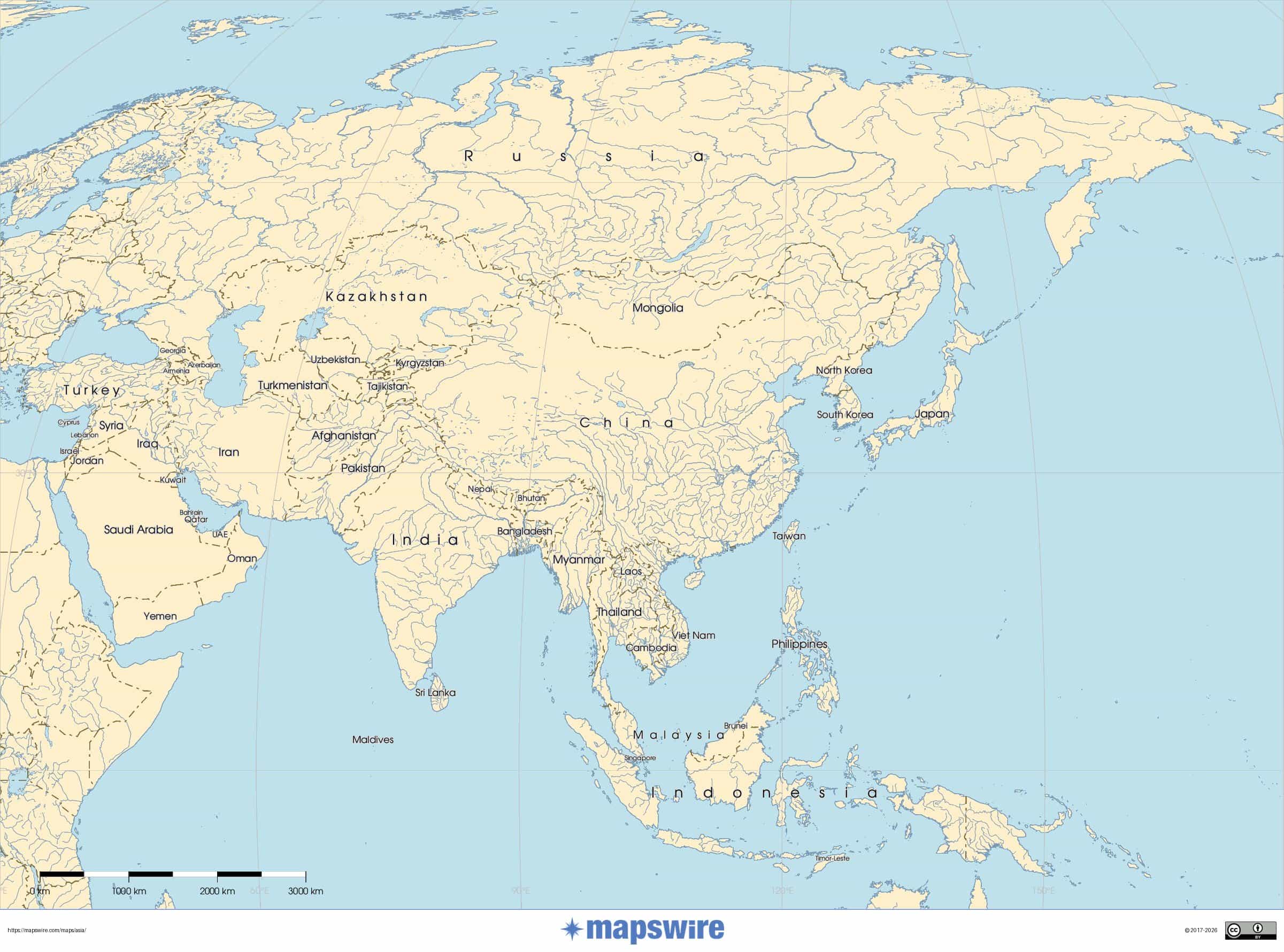
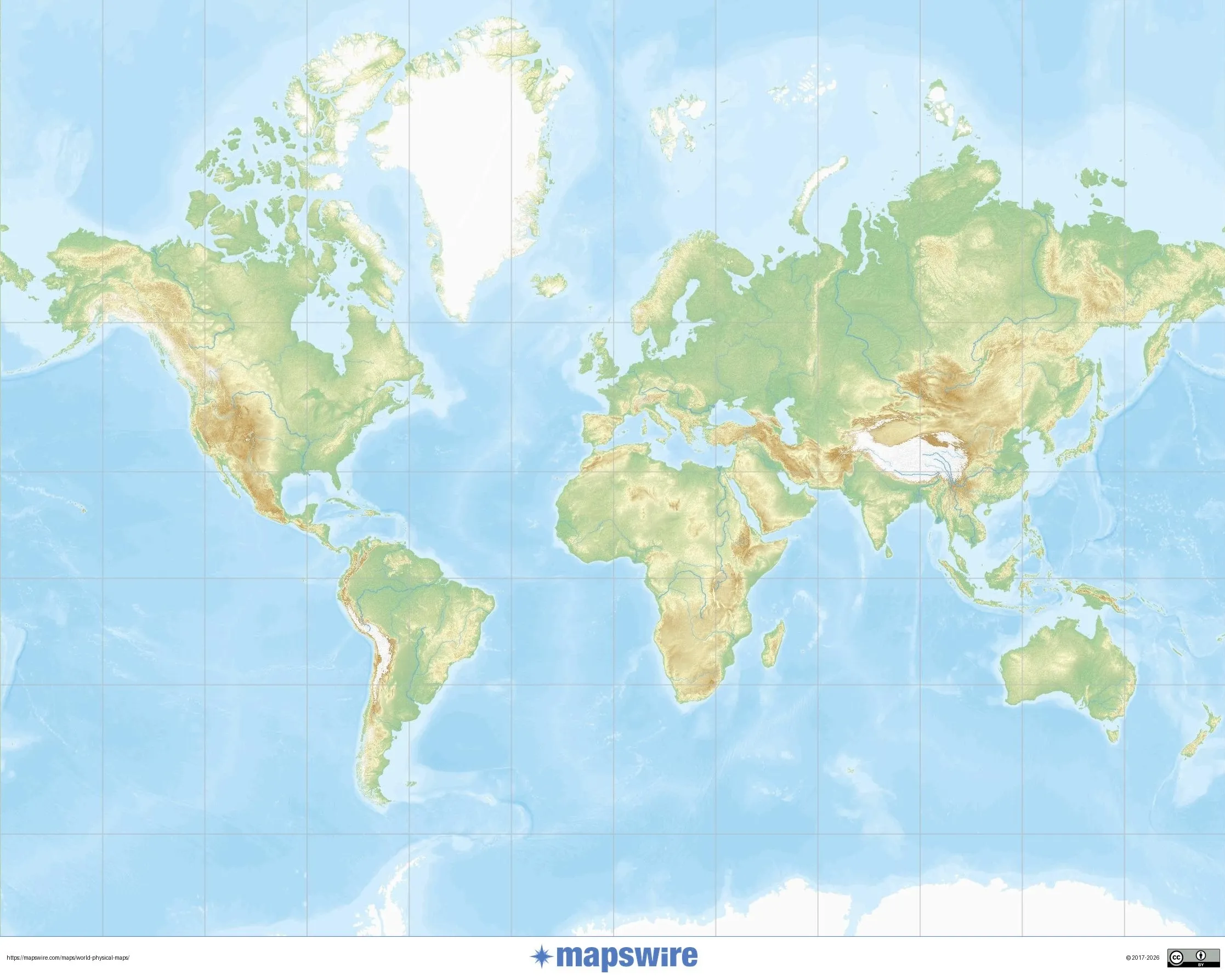
Map
| Category | |
|---|---|
| Element |
Asia
World
Related Links
| Group | List |
|---|---|
| East Asia | Ming and Qing Emperors Late Ming period Maritime trade Joseon Dynasty |
| West Asia | Ottoman Empire Safavid dynasty Trade and Diplomacy |
Comments