Emperor Yingzong: Crisis and Royal Restoration
Emperor Yingzong of Ming
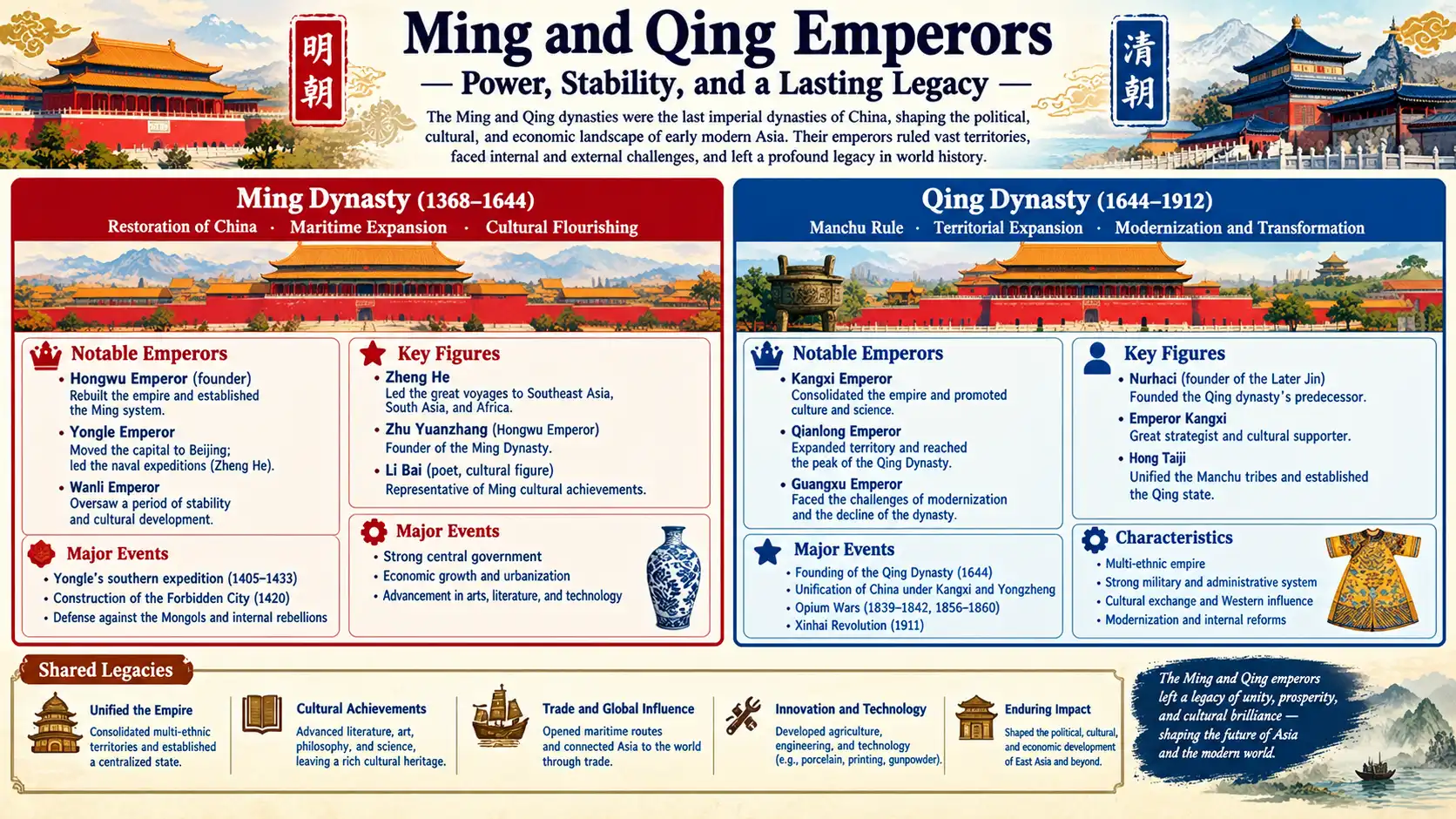
Emperor Yingzong was the 6th and 8th emperor of the Ming dynasty. Ascending the throne at age seven in 1435 following the death of his father, the Xuande Emperor, his initial reign era was named Zhengtong. During his childhood, the government was managed by the Empress Dowager and experienced senior officials, but he later came to rely heavily on the eunuch Wang Zhen. In 1449, while leading a personal expedition against Esen Taishi of the Oirats, the Ming army suffered a crushing defeat at the Tumu Crisis, and the emperor himself was captured. His younger brother, the Jingtai Emperor, then took the throne. Yingzong was released in 1450, but upon returning, he was placed under house arrest in the palace. In 1457, he reclaimed the throne through the Coup of the Treasonous Gate and ruled again under the era name Tianshun. In his later years, he sought to stabilize state affairs and reformed palace institutions, including abolishing the practice of human sacrifice (funerary immolation of consorts). He died in 1464 at the age of 36, succeeded by his eldest son, the Chenghua Emperor.
Timeline
| Category | |
|---|---|
| Element |
Map
| Category | |
|---|---|
| Element |
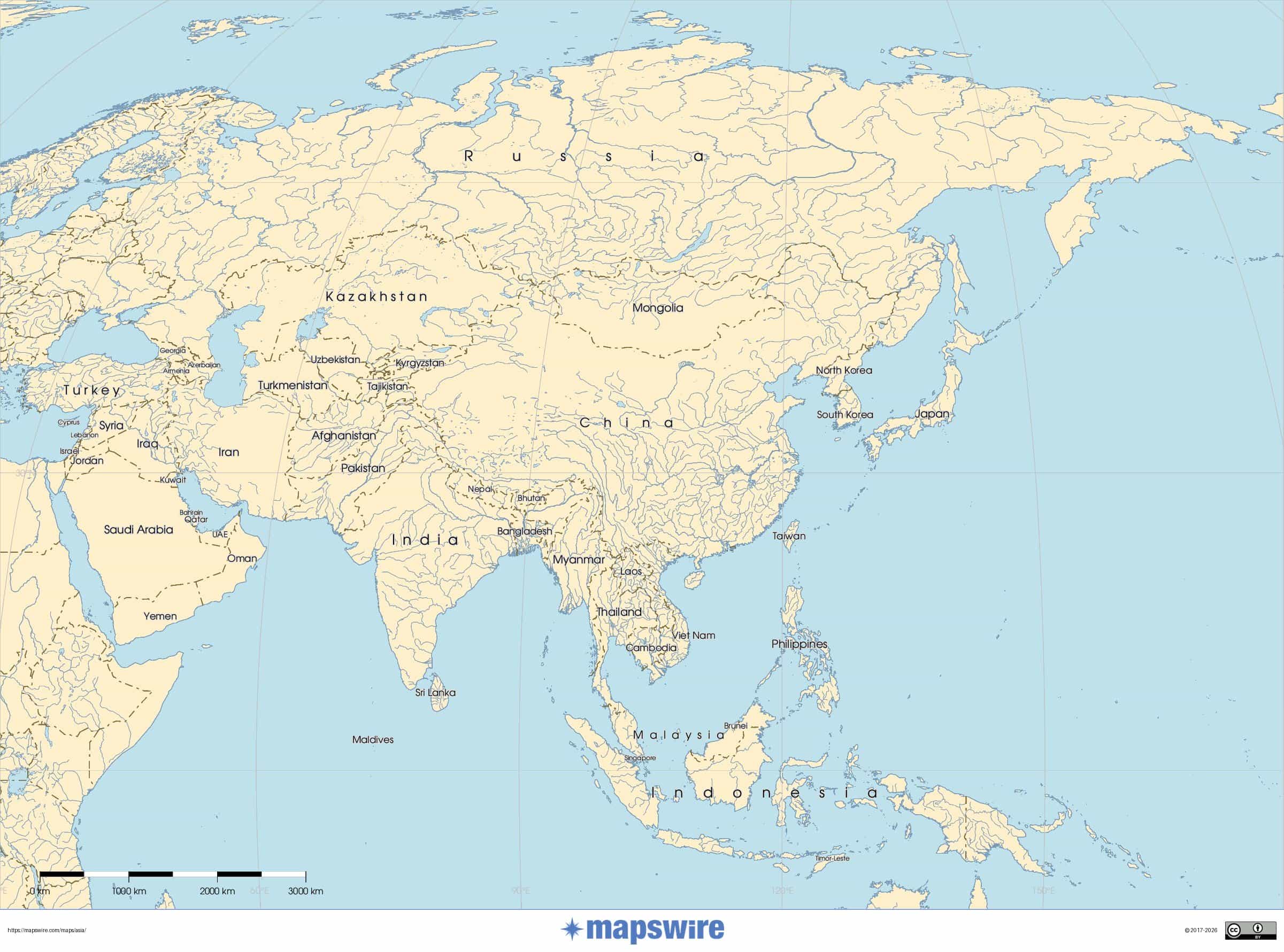
Asia
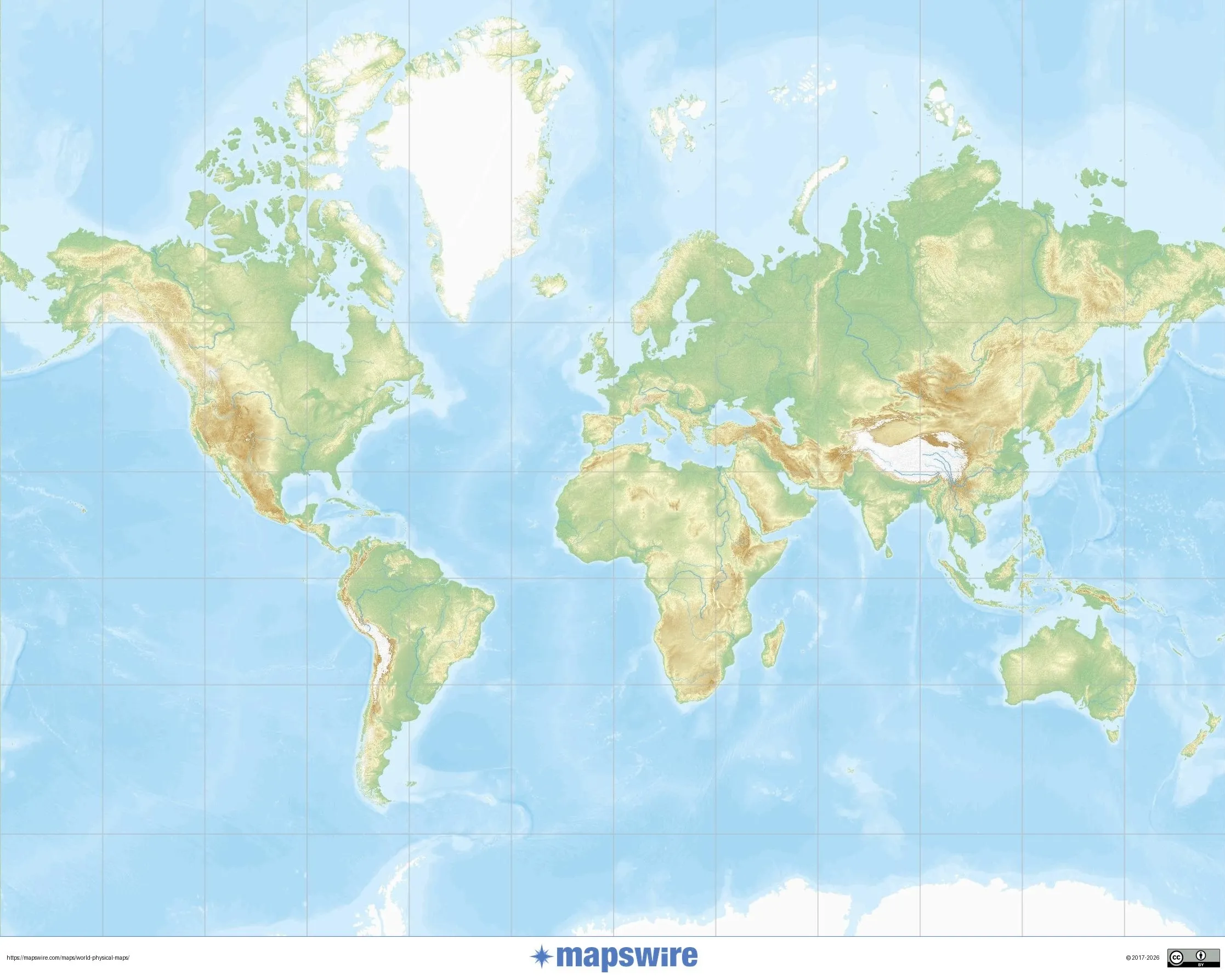
World
Comments