Defection and the Revolt of the Three Feudatories
Wu Sangui
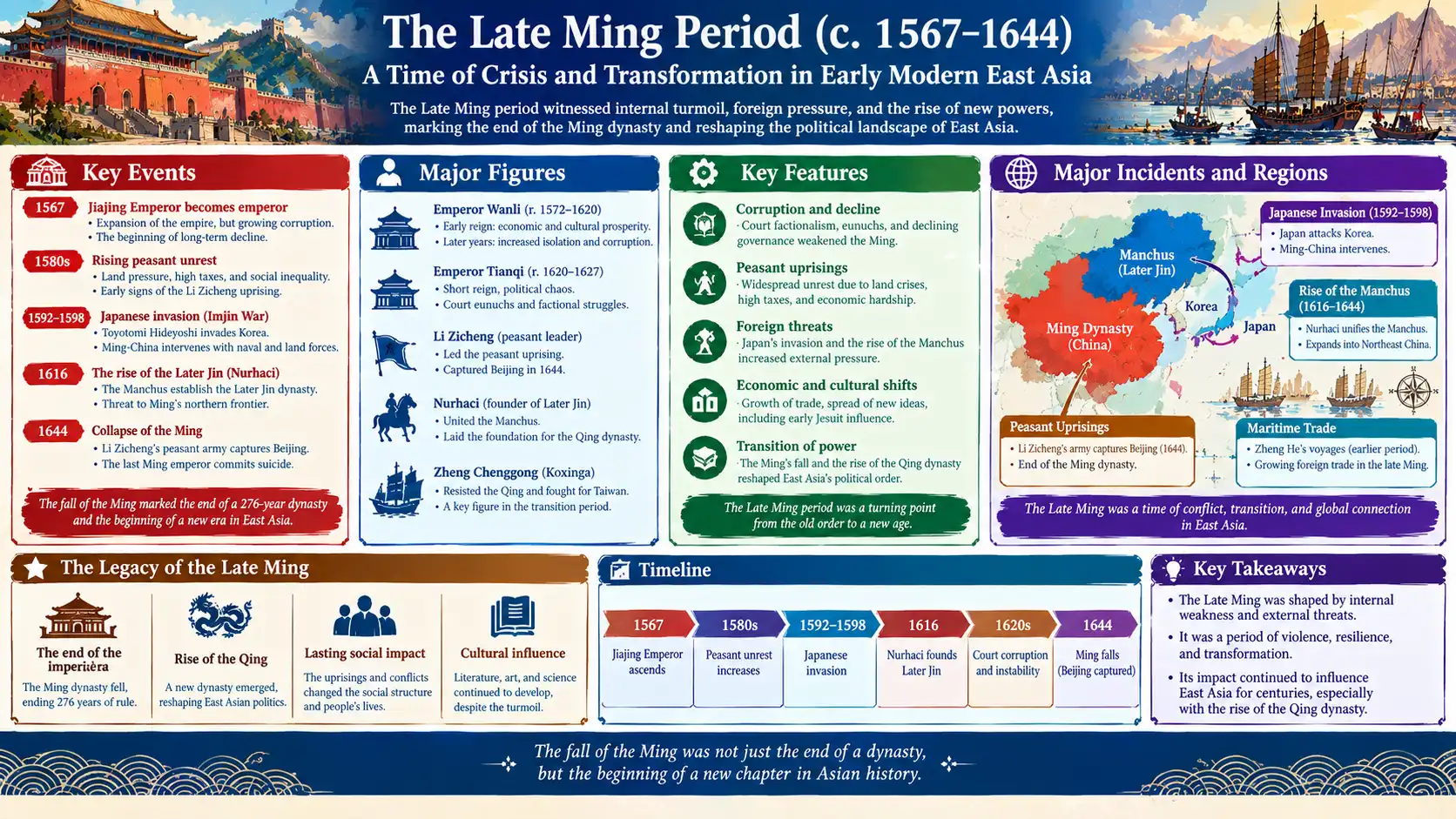
A military leader and politician of the late Ming and early Qing periods. Serving as a Ming general in charge of the Liaodong defense, he led the Qing army into China proper at Shanhai Pass in 1644 after Li Zicheng's rebel army captured Beijing, playing a major role in the downfall of the Ming dynasty and the establishment of Qing rule over China. In recognition of his achievements, he was created Prince of Pingxi by the Qing court and ruled the Yunnan and Guizhou regions. However, due to conflict surrounding the policy to reduce feudal feudatories that began in 1673, he revolted against the Qing dynasty and proclaimed himself emperor of Zhou in 1678. The rebellion continued after his death but was suppressed in 1681. Due to his history of defecting from the Ming dynasty, cooperating with the Qing, and subsequently rebelling against the Qing, evaluations of him vary greatly in Chinese history.
Timeline
| Category | |
|---|---|
| Element |
Map
| Category | |
|---|---|
| Element |
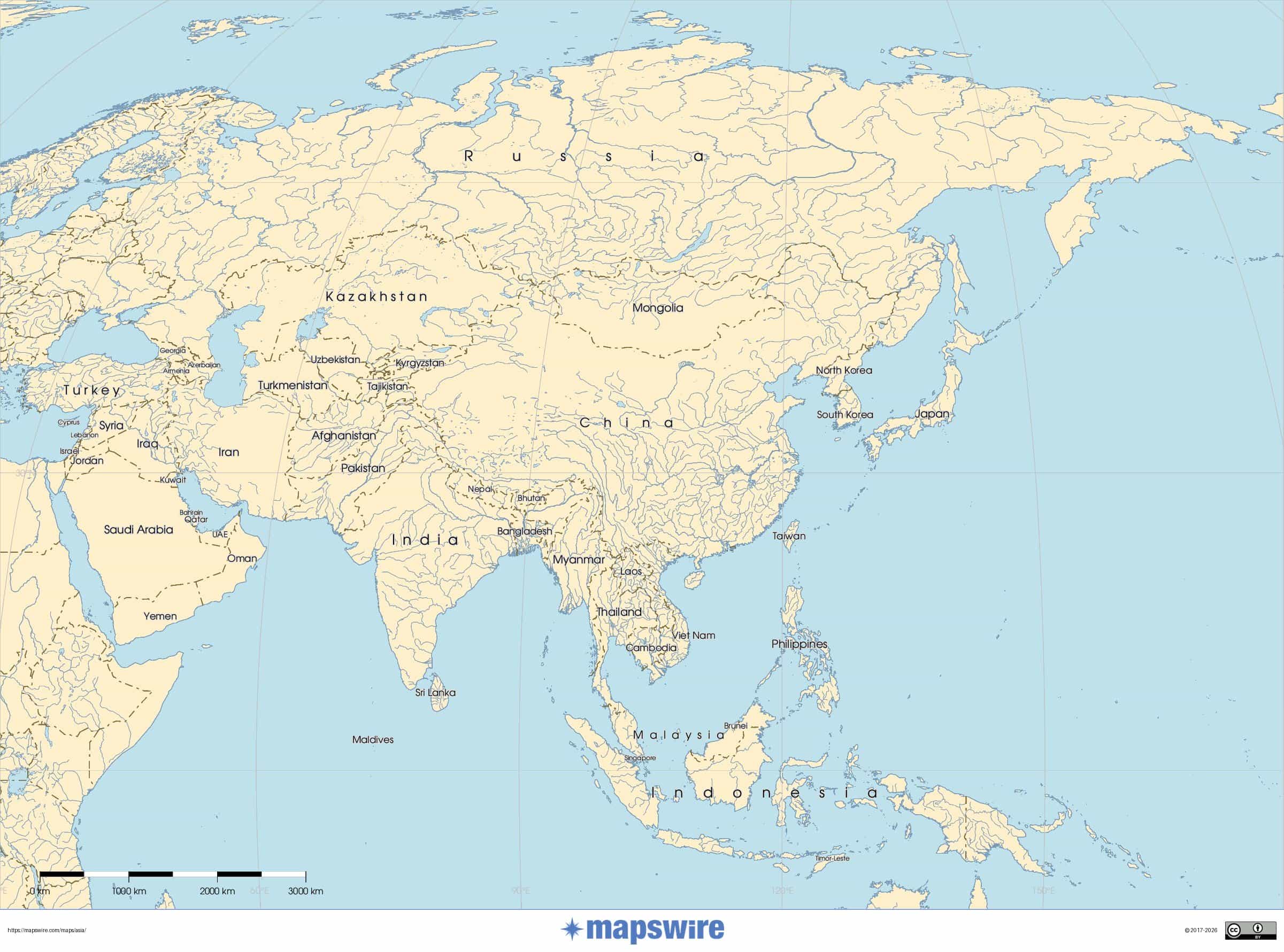
Asia
World

Comments