Hong Taiji

Hong Taiji

Hong Taiji

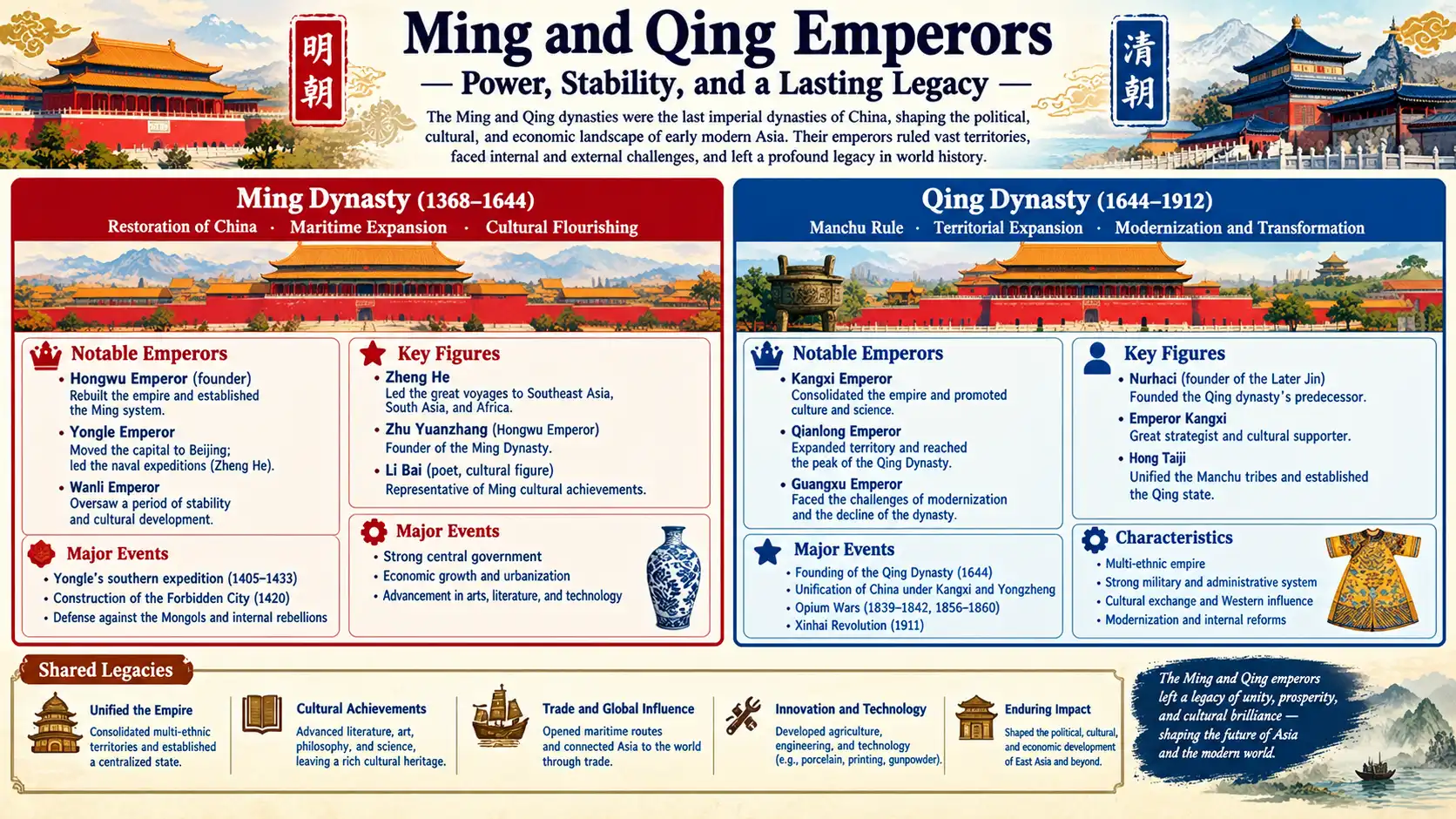
A Manchu ruler who served as the second Khan of the Later Jin and is regarded as the founding emperor of the Qing dynasty. Following the death of his father Nurhaci, he became the ruler of Later Jin in 1626, reorganizing the military and administrative systems to expand his power. He actively recruited Han officials and surrendered Ming generals, building a state structure that integrated Manchus, Han, and Mongols on the foundation of the Eight Bannières. In 1635, he renamed the Jurchen people "Manchu," and in 1636, he renamed the state "Great Qing" and declared himself emperor. By bringing Inner Mongolia under control and subjugating Joseon, he laid the groundwork for the conquest of the Ming dynasty, though he died before seeing the fall of the Ming and the final conquest of China proper.

Timeline

Category
Element
Year Hong Taiji
1592
Birth of Hong Taiji (Period: November 28, 1592, Location: Xinbin Manchu Autonomous County, Fushun City, Liaoning Province, China (near the former Hetu Ala))
1614
Marriage (Hong Taiji and Empress Jerjer, Age: 21 years old, Period: 1614, Location: Territory Controlled by Later Jin (Exact Wedding Location Uncertain))
1620
Wars with Inner Mongolian Factions (Age: 27 years old, Period: 1620s to Late 1630s, Location: Modern Inner Mongolia Autonomous Region and Southern Mongolian Plateau)
Integration of Inner Mongolian Tribes (Age: 27 years old, Period: 1620s-1630s, Location: Inner Mongolia and Southern Mongolian Plateau)
1625
State-Building Based in Shengjing (Age: 32 years old, Period: 1625-1643, Location: Shenyang City, Liaoning Province, China)
Marriage (Hong Taiji and Empress Bumbutai, Age: 32 years old, Period: 1625, Location: Territory Controlled by Later Jin (Exact Wedding Location Uncertain))
1626
Succession of the Later Jin after the Death of Nurhaci (Age: 33 years old, Period: 1626, Location: Later Jin-Controlled Territory in Manchuria, Northeast China)
Establishment of the Eight Banners System and Administrative Structure (Age: 33 years old, Period: 1626 to 1630s, Location: Capital of Later Jin, Shengjing (Modern Shenyang) and Various Parts of Manchuria)
Enthronement as the Second Khan of the Later Jin (Age: 33 years old, Period: September 1626, Location: Manchuria, Northeast China)
1627
First Manchu Invasion of Korea (Dingmao Horan, Age: 34 years old, Period: 1627, Location: Northern Korean Peninsula, Yalu River Basin to Around Pyongyang)
1630
Expeditions to the Amur River Basin and Subjugation of the Evenki Forces (Age: 37 years old, Period: Late 1630s to Early 1640s, Location: Amur River Basin, Northern Manchuria, and Parts of Modern Russian Far East and Northeast China)
1634
Marriage (Hong Taiji and Empress Harjol, Age: 41 years old, Period: c. 1634, Location: Territory Controlled by Later Jin (Exact Wedding Location Uncertain))
1635
Change of the Ethnic Name from Jurchen to Manchu (Age: 42 years old, Period: 1635, Location: Manchuria, Northeast China)
1636
Second Manchu Invasion of Korea (Byeongja Horan, Age: 43 years old, Period: December 1636 - February 1637, Location: Korean Peninsula, Especially Hanseong (Modern Seoul) and Namhansanseong)
Adoption of the Chongde Era Name and Institutional Development of the Qing Dynasty (Age: 43 years old, Period: 1636-1643, Location: Shengjing, Northeast China)
Change of the State Title to Great Qing and Assumption of the Imperial Title (Age: 43 years old, Period: May 1636, Location: Shengjing, Northeast China (Modern Shenyang, Liaoning Province))
1642
Surrender of the Ming General Hong Chengchou to the Qing (Age: 49 years old, Period: 1642, Location: Around Songshan, Northeast China)
1643
Death of Hong Taiji (Age: 50 years old, Period: September 21, 1643)
Death of Hong Taiji and Enthronement of the Shunzhi Emperor (Age: 50 years old, Period: September 21, 1643 onwards, Location: Shengjing (Modern Shenyang City, China))
Unknown
Marriage (Hong Taiji and Side Consorts/Imperial Concubines, Period: Early 17th Century to 1640s, Location: Courts of Later Jin and Qing (Individual Wedding Locations Uncertain))

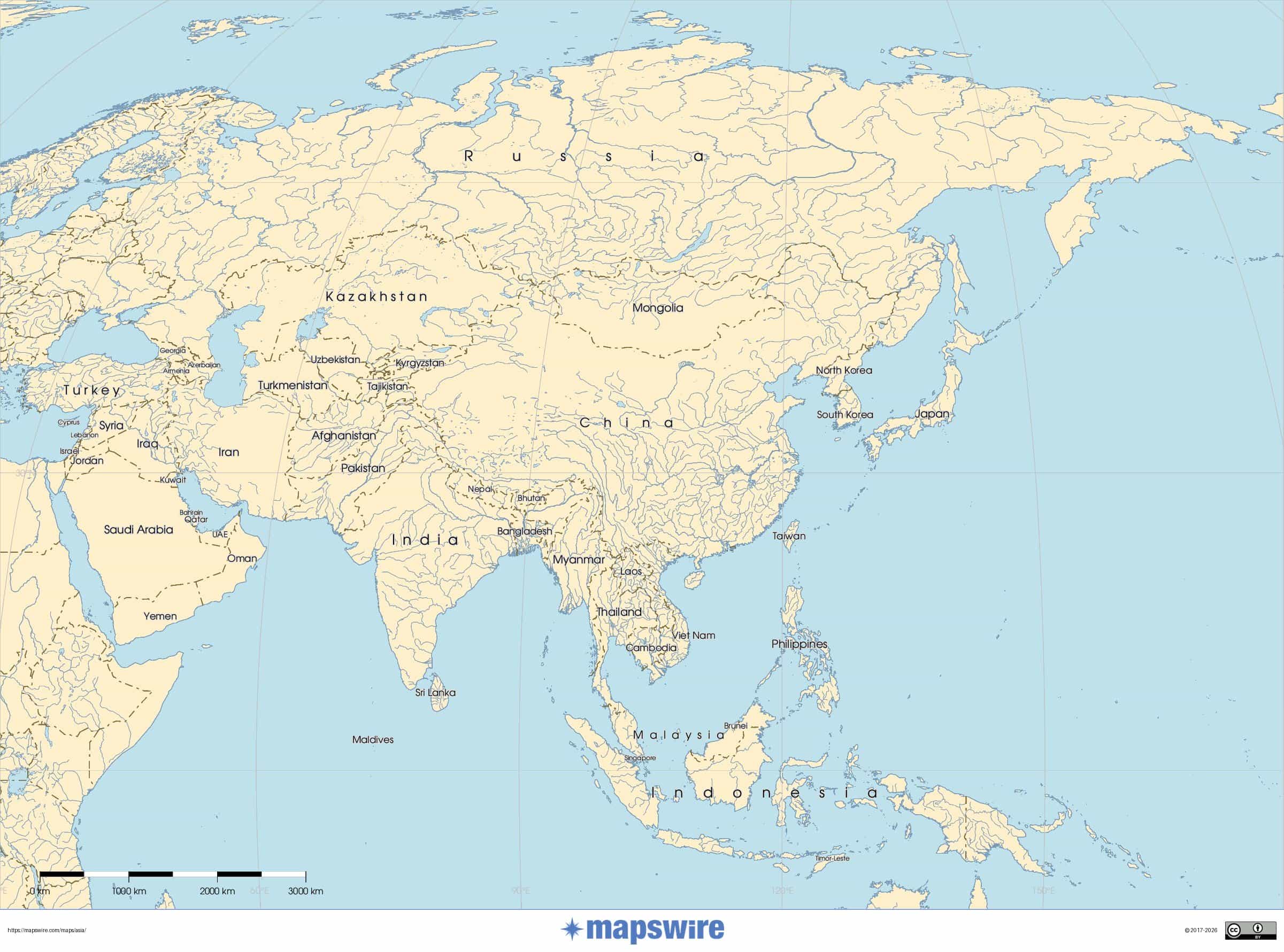
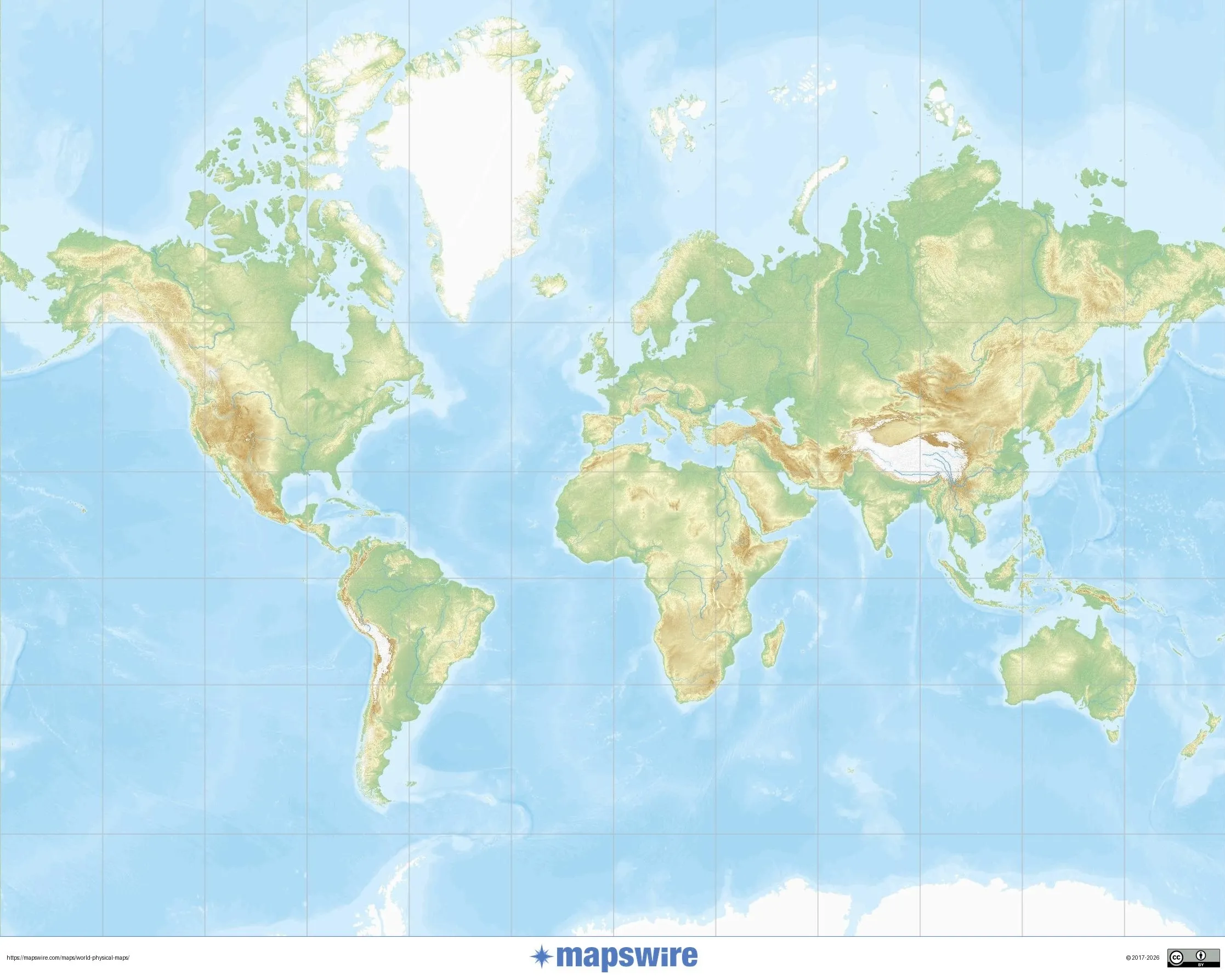
Map

Category
Element
Asia World
asia map

Related Links

Other Languages

Comments