William Gladstone: The Grand Old Man of Liberalism
William Gladstone: The Grand Old Man of Liberalism

William Gladstone

British politician who long served as the leader of the Liberal Party and was Prime Minister of the United Kingdom four separate times (1868–1874, 1880–1885, 1886, and 1892–1894). A pre-eminent Liberal statesman of the Victorian era, he championed electoral reform, administrative reform, educational reform, the resolution of the Irish question, and free trade. Starting his political career as a Tory, he turned toward liberalism under the influence of Robert Peel, ultimately formulating the political ideology known as "Gladstonian Liberalism." He often took a critical stance toward imperialist foreign policies, making strong moral and humanitarian arguments regarding the Bulgarian Atrocities and Irish Home Rule. On the other hand, policies concerning Egypt and Sudan forced military intervention, drawing severe criticism for failures such as the relief of General Gordon. One of the greatest political leaders alongside Benjamin Disraeli in late 19th-century British politics, he was affectionately known as the "Grand Old Man (GOM)."

Timeline

Category
Element
Year William Gladstone
1809
Birth of William Gladstone (Period: December 29, 1809, Location: Liverpool, England)
1830
Political and Religious Controversies at Oxford University (Age: 20 years old, Period: 1830s, Location: Oxford, United Kingdom)
1832
First Election to Parliament (William Gladstone, Age: 22 years old, Period: December 1832, Location: Newark, United Kingdom)
1839
Marriage of William Gladstone and Catherine Glynne (Age: 29 years old, Period: July 25, 1839, Location: Hughenden (Hughenden Church), United Kingdom)
1843
Appointment as President of the Board of Trade (William Gladstone, Age: 33 years old, Period: 1843–1845, Location: British Government, London)
1860
Fenian Movement and the Irish Question (Age: 50 years old, Period: 1860s–1890s, Location: Ireland, United Kingdom)
1867
Assumption of the Leadership of the Liberal Party (William Gladstone, Age: 57 years old, Period: 1867–1868, Location: London, United Kingdom)
1868
First Gladstone Ministry (Age: 58 years old, Period: December 3, 1868 – February 17, 1874, Location: British Government, London)
1869
Disestablishment of the Church of Ireland (Age: 59 years old, Period: 1869, Location: British Parliament, Ireland)
1870
Franco-Prussian War (Age: 60 years old, Period: 1870–1871, Location: France, Germany, etc.)
Elementary Education Act (Age: 60 years old, Period: 1870, Location: England and Wales, United Kingdom)
Cardwell Reforms of the Army (Age: 60 years old, Period: 1870–1871, Location: United Kingdom)
1876
Bulgarian Agitation (Age: 66 years old, Period: 1876, Location: Bulgarian Region of Ottoman Empire, United Kingdom)
1879
Midlothian Campaign (Age: 69 years old, Period: 1879–1880, Location: Midlothian, Scotland)
1880
Second Gladstone Ministry (Age: 70 years old, Period: April 23, 1880 – June 9, 1885, Location: British Government, London)
1881
Mahdist War (Age: 71 years old, Period: 1881–1899, Location: Sudan)
1885
Split of the Liberal Party over the Irish Home Rule Bill (Age: 75 years old, Period: 1885–1886, Location: British Parliament, London)
Fall of Khartoum and Death of General Gordon (Age: 75 years old, Period: January 26, 1885, Location: Khartoum, Sudan)
1886
First Irish Home Rule Bill (Age: 76 years old, Period: 1886, Location: British Parliament, London)
Third Gladstone Ministry (Age: 76 years old, Period: February 1 – July 20, 1886, Location: British Government, London)
1892
Fourth Gladstone Ministry (Age: 82 years old, Period: August 15, 1892 – March 2, 1894, Location: British Government, London)
1893
Second Irish Home Rule Bill (Age: 83 years old, Period: 1893, Location: British Parliament, London)
1894
Resignation as Prime Minister (William Gladstone, Age: 84 years old, Period: March 2, 1894, Location: London, United Kingdom)
1898
Death of William Gladstone (Age: 88 years old, Period: May 19, 1898 (aged 88))

Map

Category
Element
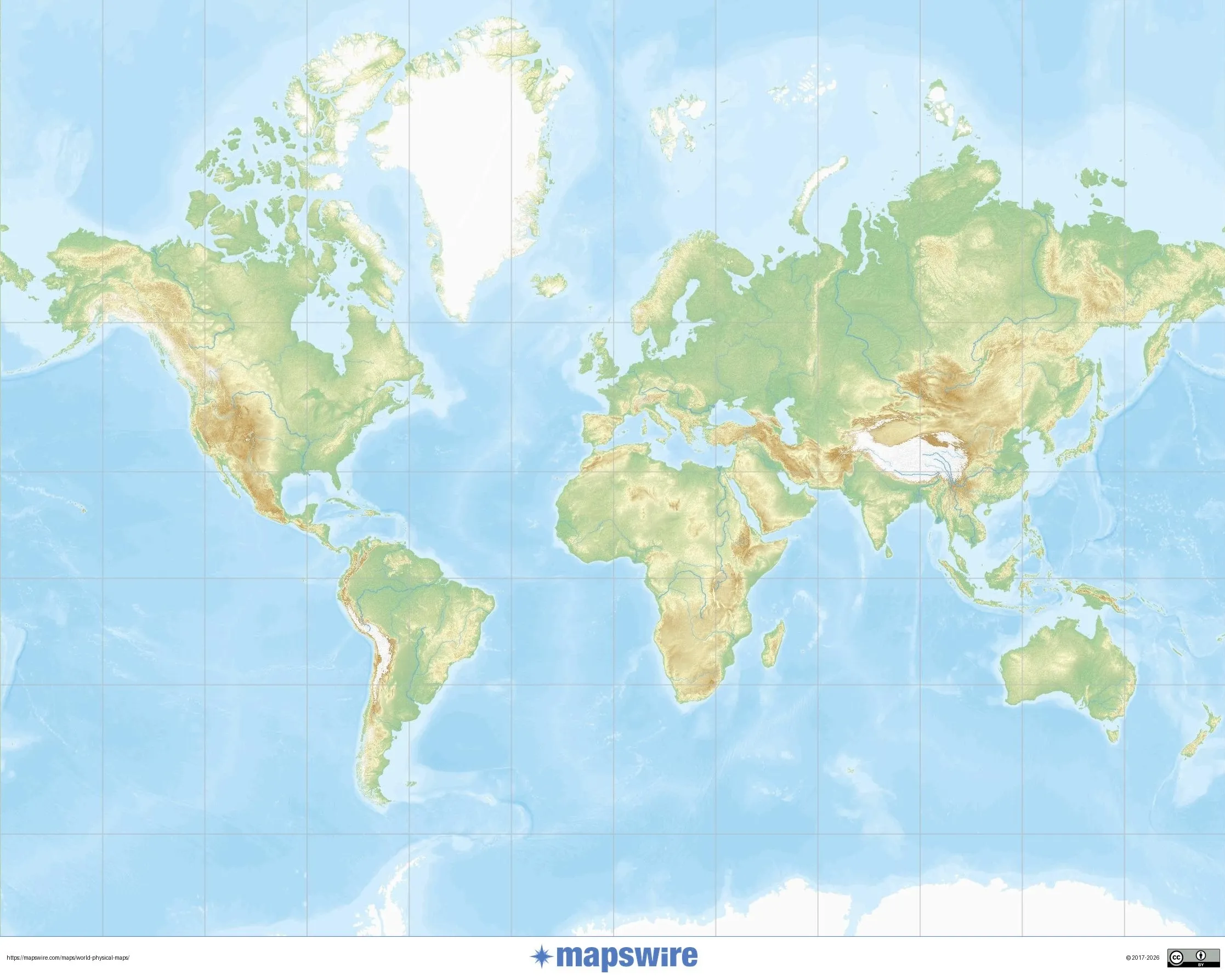
Europe World
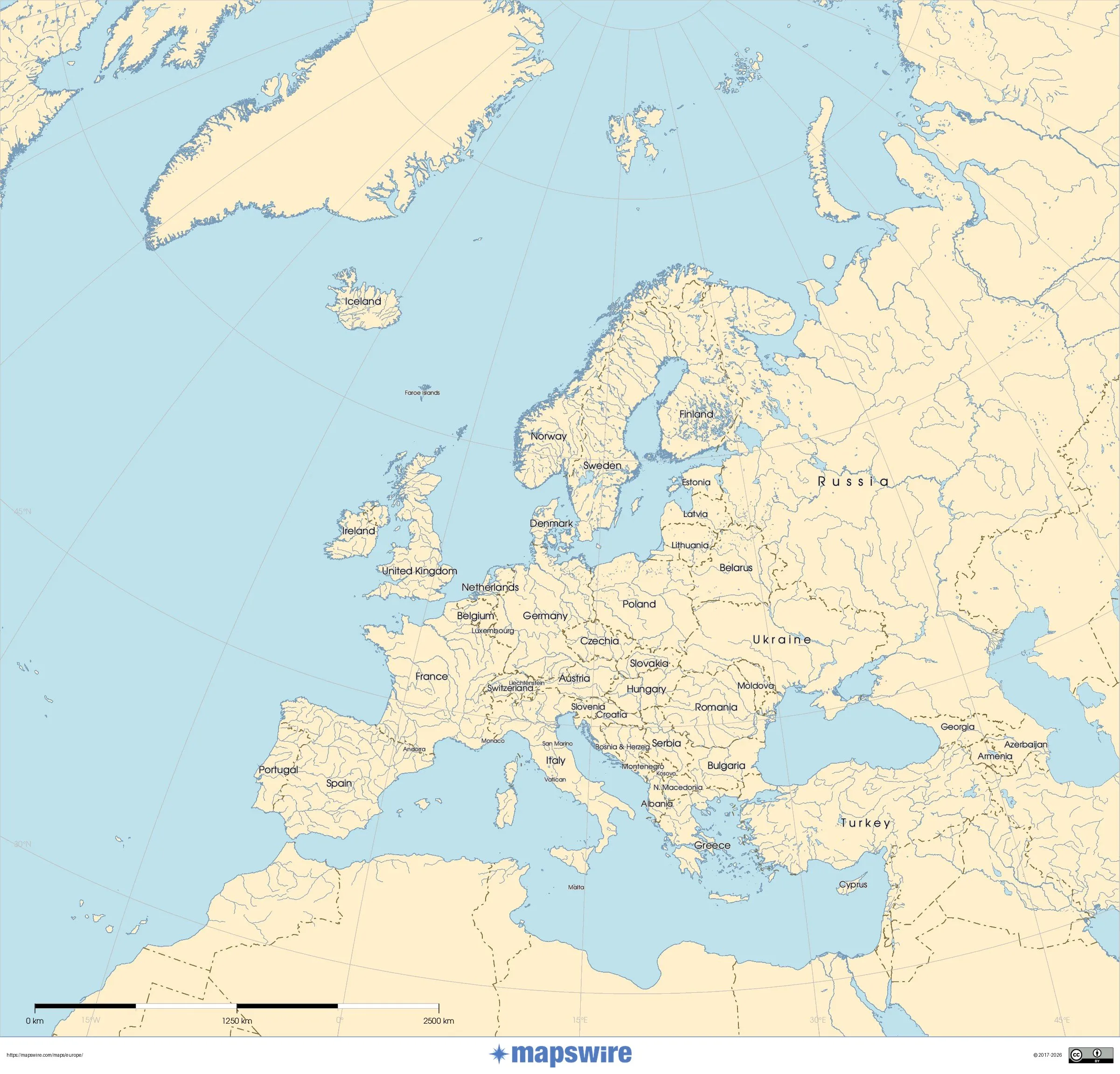
europe map

Related Links

Other Languages

Comments