Mikhail Gorbachev: architect of reform and glasnost
Mikhail Gorbachev: architect of reform and glasnost

Mikhail Gorbachev

Soviet politician. He assumed the position of General Secretary of the Communist Party of the Soviet Union in 1985 and served as President of the Soviet Union from 1990 to 1991. He promoted perestroika (restructuring) and glasnost (openness), advancing political and social liberalization along with economic reform. Through nuclear disarmament negotiations with the United States and non-intervention in the democratization of Eastern European countries, he played a major role in ending the Cold War, and was awarded the Nobel Peace Prize in 1990. On the other hand, evaluations remain divided both domestically and internationally regarding the fact that the reform process weakened the Soviet Union's control, leading to its dissolution in 1991.

Timeline

Category
Element
Year Mikhail Gorbachev
1931
Birth of Mikhail Gorbachev (Period: March 2, 1931, Location: Privolnoye, Stavropol Krai, Russian Federation)
1939
World War II (Age: 7 years old, Period: 1939–1945, Location: Britain, North Africa, Mediterranean region, etc.)
1947
Cold War (Age: 15 years old, Period: c. 1947–1991, Location: Europe, North America, Cuba, etc.)
1952
Joining the Communist Party of the Soviet Union (Age: 20 years old, Period: 1952, Location: Soviet Union)
1953
Marriage (Mikhail Gorbachev, Raisa Maximovna Titarenko, Age: 21 years old, Period: 1953, Location: Moscow (generally said to have met during student days at Moscow University; the exact wedding venue is unknown))
1970
Appointment as First Secretary of the Stavropol Krai Party Committee (Age: 38 years old, Period: 1970, Location: Stavropol Krai of the Russian Soviet Federative Socialist Republic)
1979
Soviet-Afghan War (Age: 47 years old, Period: 1979–1989, Location: Afghanistan)
1985
Summit meeting with US President Reagan and the Intermediate-Range Nuclear Forces Treaty (Age: 53 years old, Period: 1985–1987. Treaty signed on December 8, 1987, Location: Geneva, Reykjavik, Washington D.C., etc.)
Appointment as General Secretary of the Communist Party of the Soviet Union (Age: 54 years old, Period: March 11, 1985, Location: Moscow, Soviet Union)
1986
Chernobyl Nuclear Power Plant accident (Age: 55 years old, Period: April 26, 1986, Location: Chernobyl Nuclear Power Plant in the Ukrainian Soviet Socialist Republic (present-day Ukraine))
1987
Promotion of Perestroika and Glasnost (Age: 55 years old, Period: 1985 onward, especially 1987–1991, Location: Entire Soviet Union)
1989
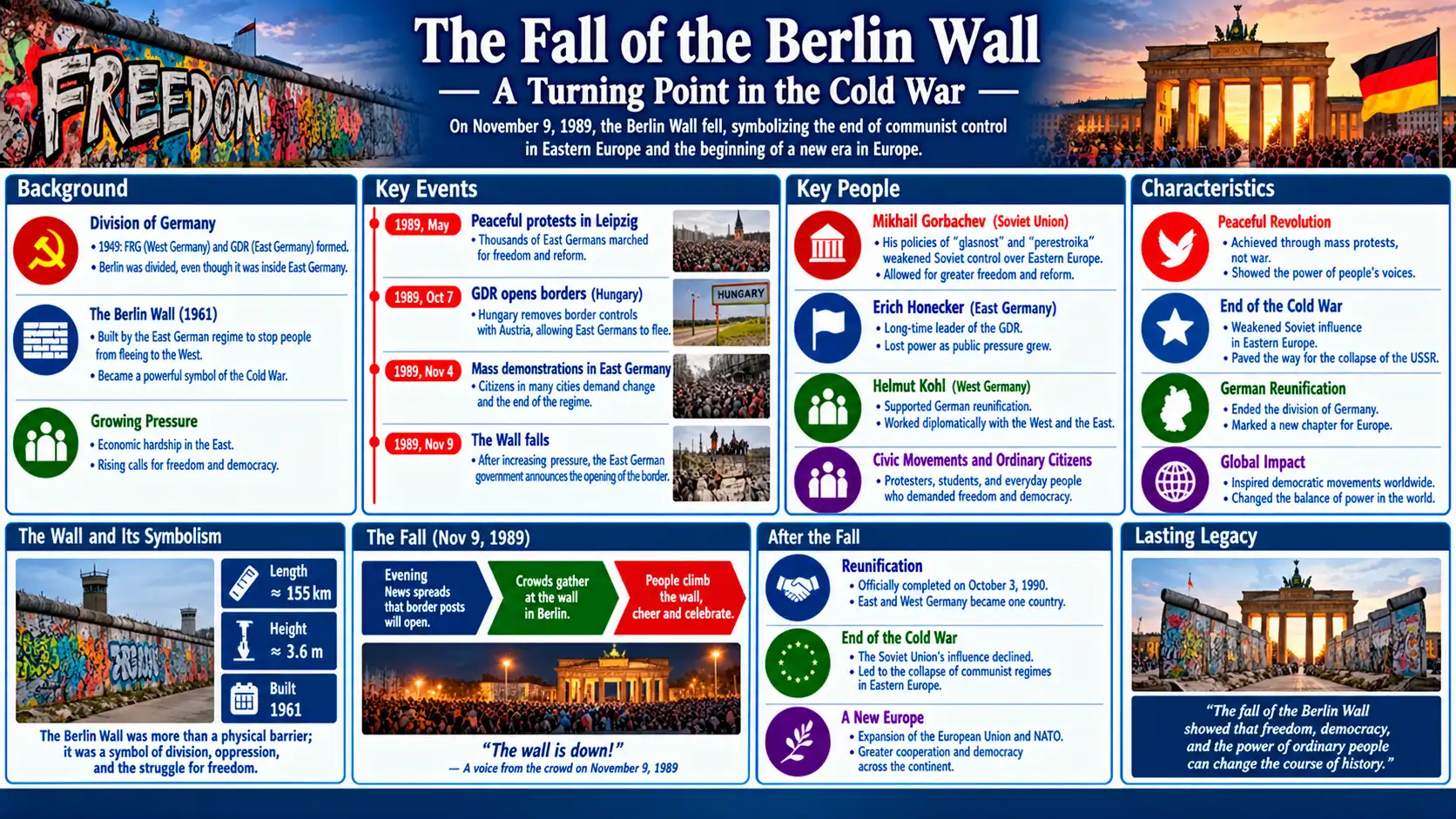
Democratization of Eastern European countries and the fall of the Berlin Wall (Age: 57 years old, Period: 1989, Location: Various parts of Eastern Europe such as East Germany, Poland, Hungary, Czechoslovakia, etc.)
Armed suppression of the Tbilisi protest movement (Age: 58 years old, Period: April 9, 1989, Location: Tbilisi in the Georgian Soviet Socialist Republic (present-day capital of Georgia))
1990
Receipt of the Nobel Peace Prize (Age: 58 years old, Period: 1971, Location: Oslo, Norway)
Soviet military intervention in Baku (Black January, Age: 58 years old, Period: January 19–20, 1990, Location: Baku in the Azerbaijan Soviet Socialist Republic)
Assumption of office as President of the Soviet Union (Age: 59 years old, Period: March 15, 1990, Location: Moscow, Soviet Union)
1991
Lithuanian independence movement and Soviet military intervention (Age: 59 years old, Period: January 1991, Location: Vilnius in the Lithuanian Soviet Socialist Republic)
August Coup in the Soviet Union (Age: 60 years old, Period: August 19–21, 1991, Location: Soviet Union centered on Moscow)
Dissolution of the Soviet Union and resignation as President (Age: 60 years old, Period: December 25, 1991, Location: Moscow, Soviet Union)
2022
Death of Mikhail Gorbachev (Age: 91 years old, Period: August 30, 2022 (age 91))

Map

Category
Element
Europe World
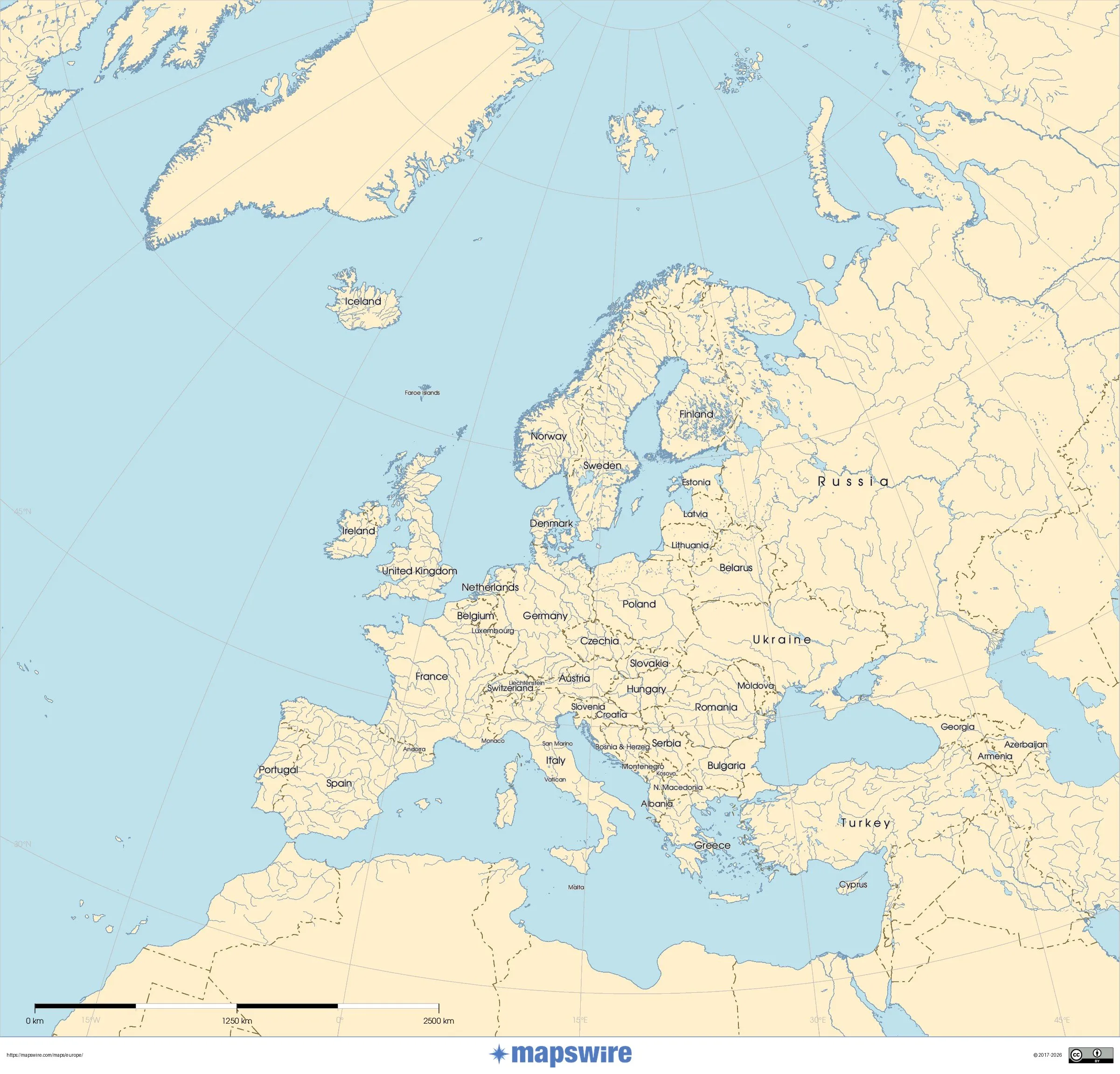
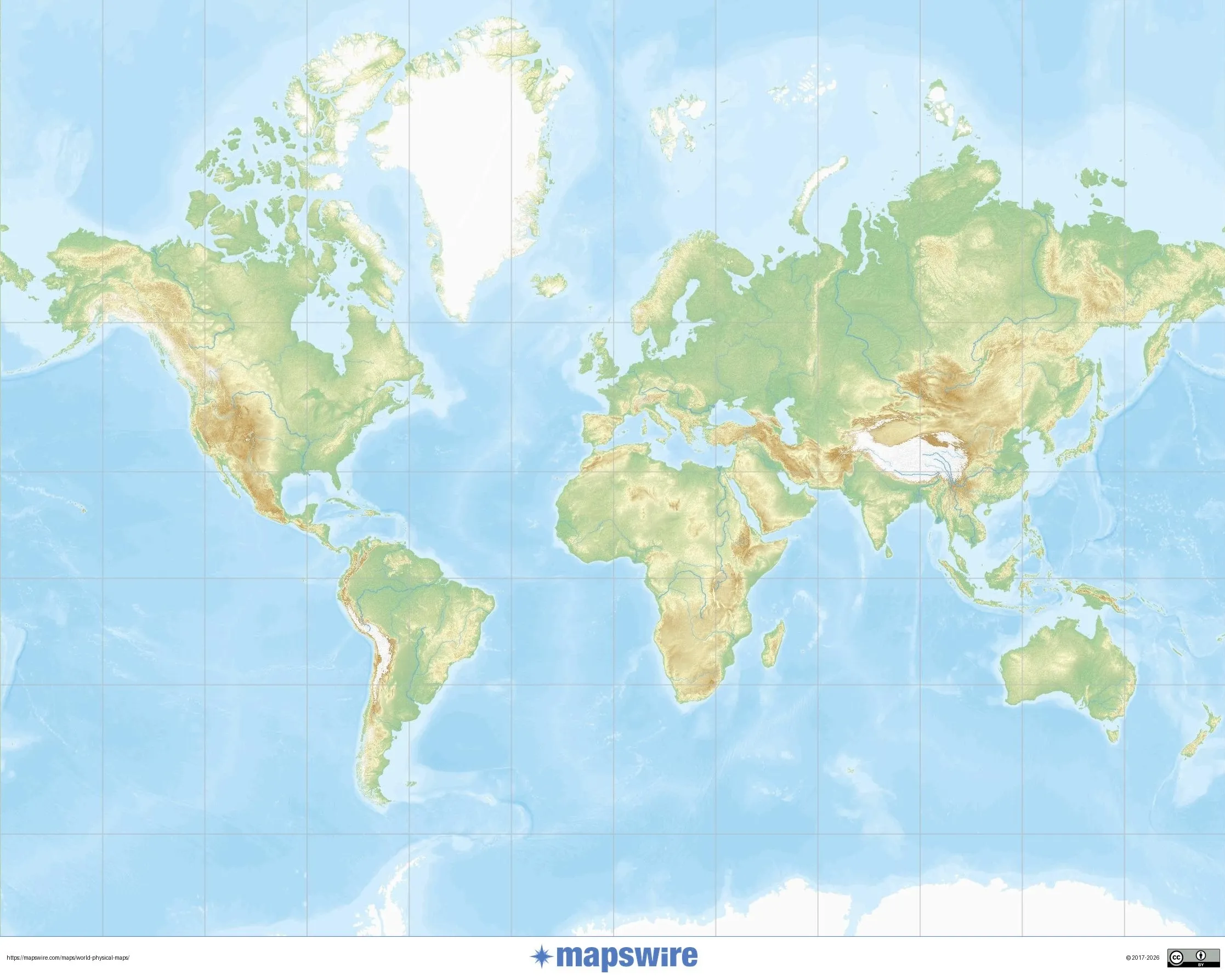
europe map

Related Links

Other Languages

Comments