Cold War Literature and Thought
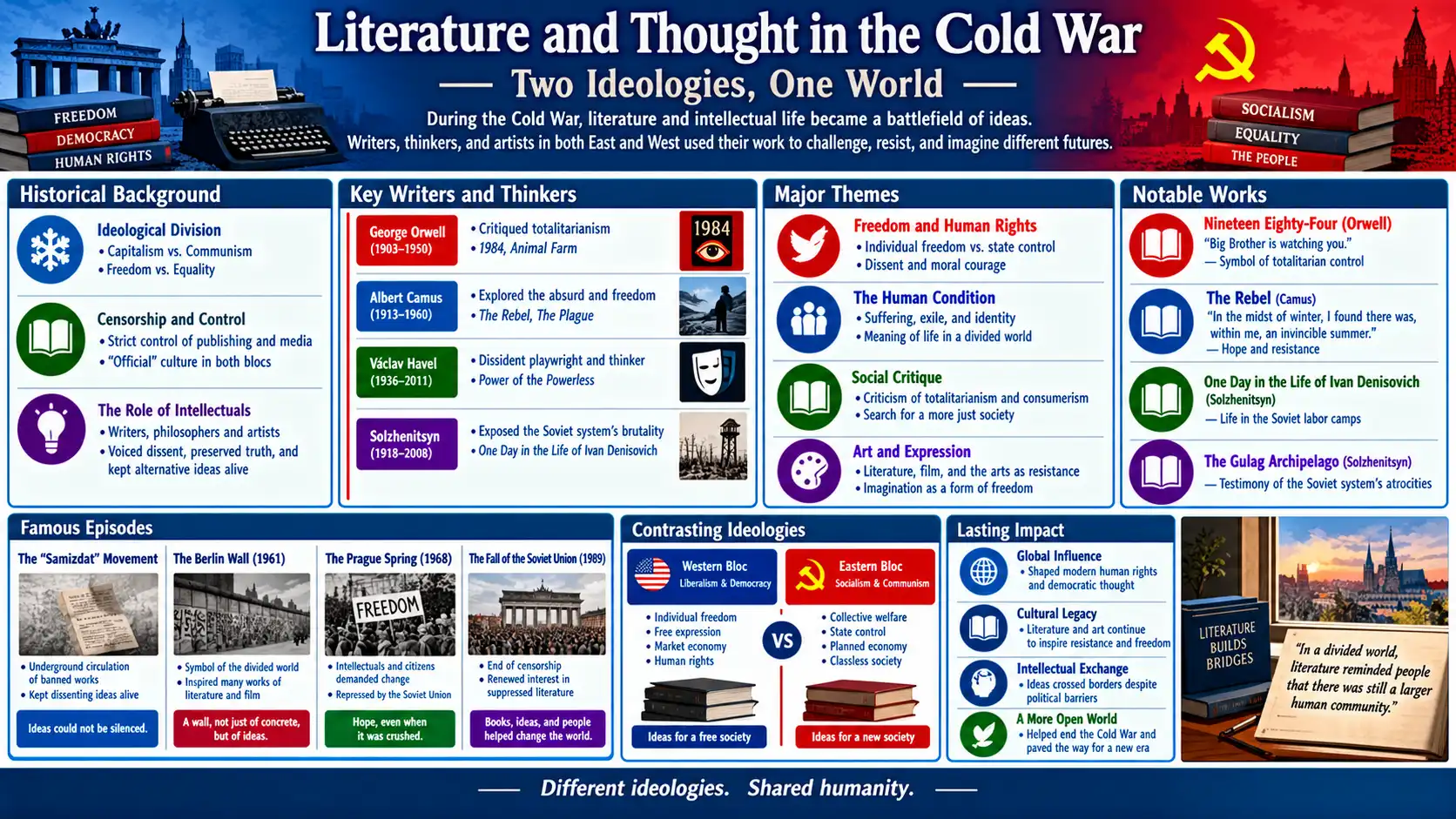
Literature and Thought
Literature during the Cold War served as a crucial ideological battleground where European writers confronted totalitarianism, state censorship, and moral responsibility. Intellectuals across both blocs utilized poetry, prose, and public essays to critique oppressive regimes, examine the psychological toll of the Iron Curtain, and defend fundamental human freedoms against dogmatic political control.
People
Birth
Death
Origin
Age (Death)
| 1911 | |
|---|---|
| 1917 | |
| 1923 | |
| 1926 | |
| 1927 | |
| 1929 | |
| 1931 | |
| 1936 | |
| 1946 |
Timeline
| Category | |
|---|---|
| Element |
| Year | Literature and Thought |
|---|---|
| 1911 |
Birth of Czesław Miłosz (Period: June 30, 1911, Location: Šeteniai (a village in the Kėdainiai district, present-day Lithuania; part of the Russian Empire at the time of birth))
Born in Kėdainiai (Period: June 30, 1911, Location: Kėdainiai (present-day Lithuania))
|
| 1917 |
Birth of Heinrich Böll (Period: December 21, 1917, Location: Cologne, German Empire's Kingdom of Prussia (present-day city of Cologne, North Rhine-Westphalia, Federal Republic of Germany))
|
| 1923 |
Birth of Wisława Szymborska (Period: July 2, 1923, Location: Prowent, Poland (part of the city of Kórnik, Poland, near Poznań))
|
| 1926 |
Birth of Ingeborg Bachmann (Period: June 25, 1926, Location: Klagenfurt, Carinthia, Austria (present-day city name is also Klagenfurt))
|
| 1927 |
Birth of Günter Grass (Period: October 16, 1927, Location: Gdańsk, Poland (birthplace was the Langfuhr district within the Free City of Danzig at the time; present-day Wrzeszcz district of Gdańsk))
Born in Danzig (Period: October 16, 1927, Location: Free City of Danzig, Langfuhr district (present-day Gdańsk-Wrzeszcz district, Poland))
|
| 1929 |
Boyhood immersed in music (Period: 1929 to the 1940s, Location: Czechoslovakia, Brno.)
Student life in Vilnius
Birth of Milan Kundera (Period: April 1, 1929, Location: Brno, Czech Republic)
|
| 1931 |
Relocation to Kraków
Early childhood in Vienna and Seekirchen (Period: 1931–1937, Location: Vienna, Austria, and Seekirchen am Wallersee)
Birth of Thomas Bernhard (Period: February 9, 1931, Location: Heerlen, Netherlands)
Born in Heerlen (Period: February 9, 1931, Location: Heerlen, Netherlands)
|
| 1933 |
Political and social changes in Danzig under the Nazi regime
Rise of the Nazi regime and anti-Nazi environment in Cologne
|
| 1936 |
Publication of the poetry collection "Three Winters"
Birth of Václav Havel (Period: October 5, 1936, Location: Prague, Czech Republic)
|
| 1937 |
Apprenticeship in a bookstore
Relocation to Traunstein
|
| 1938 |
Youth education and life in a boarding school under the Nazi regime
Anschluss (annexation of Austria)
Anschluss (annexation of Austria)
|
| 1939 |
Underground education under German occupation
Boyhood under the Nazi regime and mobilization for military service
Conscription into the German military
Invasion of Poland
German occupation of Warsaw
Nazi German invasion of Poland
|
| 1940 |
Underground literary activities in occupied Warsaw
Soviet occupation of Lithuania
|
| 1941 |
The Holocaust
|
| 1942 |
Cologne bombing and destruction of the city
Marriage (Heinrich Böll, Annemarie Cech)
|
| 1943 |
Studying at a boarding school in Salzburg
Warsaw Ghetto Uprising
|
| 1944 |
Establishment of the Polish People's Republic and the establishment of the socialist system
German military combat at the end of World War II
Combat in western Germany at the end of World War II
Warsaw Uprising
Salzburg bombing at the end of World War II
|
| 1945 |
Publication of the poetry collection "Rescue"
Serving as a diplomat for the Polish government
Studies at Jagiellonian University
Post-war denazification and social reconstruction in Germany
Start of post-war writing activities
Issues surrounding the reckoning with the past in post-World War II Austrian society
Philosophy studies and doctorate
Debut as a poet
Germany's defeat and prisoner of war detention by the US military
|
| 1946 |
Release from prisoner of war life and apprenticeship as a stonemason
Birth of Elfriede Jelinek (Period: October 20, 1946, Location: Mürzzuschlag, Austria (Styria))
Born in Mürzzuschlag (Period: October 20, 1946, Location: Mürzzuschlag, Styria, Austria)
|
| 1947 |
Leaving school and starting an apprenticeship in a shop
|
| 1948 |
Studies at Charles University in Prague
Marriage (Wisława Szymborska, Adam Włodek)
Studies at the Kunstakademie Düsseldorf
Onset of severe pleurisy and tuberculosis
Prague coup d'état (communist seizure of power)
|
| 1949 |
Publication of the novel "The Train Was on Time"
Death of grandfather and mother
|
| 1950 |
Beginning of activities as a playwright
Kundera's expulsion from the Communist Party
Early activities as a poet
Participation in Group 47
Meeting with Hedwig Stavianicek
Social and cultural debates surrounding Nazism and the memory of war after World War II
|
| 1951 |
Defection and exile from the Polish communist regime
Emigration to France
Participation in Group 47 and evaluation
|
| 1952 |
Graduation from the Academy of Performing Arts in Prague and appointment as a teacher
Publication of the early poetry collection "We Are Alive"
Reading at Group 47 and growing recognition
|
| 1953 |
Publication of "The Captive Mind"
Editorial activities in the literary magazine "Życie Literackie"
Art research in Berlin
Publication of the novel "And Never Said a Word"
Publication of the poetry collection "Time Suspended"
|
| 1954 |
Marriage (Günter Grass, Anna Schwarz)
|
| 1955 |
Studying at the Mozarteum in Salzburg
|
| 1956 |
Return to the Communist Party
Marriage (Milan Kundera, Olga Haas)
Marriage (Czesław Miłosz, Janina Dłuska)
Publication of the poetry collection "The Privilege of the Weathervane"
Publication of the poetry collection "Call to the Great Bear"
Polish October (movement demanding the liberalization of Polish politics)
|
| 1957 |
Publication of the poetry collection "Calling to Yeti"
Publication of the first poetry collection "In the Earth and in Hell"
|
| 1959 |
Publication of "The Tin Drum"
Publication of the novel "Billiards at Half-Past Nine"
Poetics lectures at the University of Frankfurt
|
| 1960 |
Emigration to the United States
Political support for the Social Democratic Party of Germany (SPD)
Studying art history and theater studies at the University of Vienna
Contact with the student movement and shift to social criticism
|
| 1961 |
Publication of "Cat and Mouse"
|
| 1963 |
Release of the play "The Garden Party"
Publication of "Dog Years"
Publication of the novel "Frost"
|
| 1964 |
Marriage (Václav Havel, Olga Havlová)
|
| 1965 |
Expansion of international recognition through "The Memorandum"
Receipt of the Georg Büchner Prize
|
| 1967 |
Publication of the novel "The Joke"
Marriage (Milan Kundera, Věra Hrabánková)
Literary debut with the poetry collection "Lisa's Shadow"
Statements at the 4th Congress of Czech Writers
|
| 1968 |
Debates surrounding Germany's Emergency Acts
Assumption of office as President of Czechoslovakia
|
| 1970 |
Kundera's second expulsion from the Communist Party and ban on publishing works
Publication of the novel "We Are Decoys, Baby!"
|
| 1971 |
Assumption of office as President of International PEN
Publication of the novel "Malina"
|
| 1972 |
Social controversy surrounding the Red Army Faction (RAF)
|
| 1973 |
Death of Ingeborg Bachmann
Death in Rome
|
| 1974 |
Transfer and protection of Solzhenitsyn to the West
Publication of the novel "The Lost Honour of Katharina Blum"
Marriage with Gottfried Hüngsberg
Marriage (Elfriede Jelinek, Gottfried Hüngsberg)
|
| 1975 |
Emigration to France
Publication of autobiographical works
Publication of the novel "The Lovers"
|
| 1977 |
Charter 77 movement
Activities as a founder of Charter 77
|
| 1978 |
Activities of the Committee for the Defense of the Unjustly Prosecuted (VONS)
Publication of the essay "The Power of the Powerless"
Receipt of the Neustadt International Prize for Literature
|
| 1979 |
First long-term imprisonment
Deprivation of Czechoslovak citizenship
Publication of "The Book of Laughter and Forgetting"
Release of the film adaptation of "The Tin Drum" and international acclaim
Marriage (Günter Grass, Ute Grunert)
|
| 1980 |
Receipt of the Nobel Prize in Literature
Polish democratization movement and the end of the Communist regime
Issues of historical recognition surrounding the Nazi past in post-war Austria
|
| 1981 |
Acquisition of French citizenship
|
| 1983 |
Publication of the novel "The Piano Teacher"
|
| 1984 |
Publication of "The Unbearable Lightness of Being"
|
| 1985 |
Receipt of the Jerusalem Prize
Protest against the visit to Bitburg cemetery
Death of Heinrich Böll
|
| 1987 |
Receipt of the Austrian State Prize for European Literature
|
| 1988 |
Controversy surrounding the play "Heroes' Square"
Premiere of the play "Heroes' Square"
|
| 1989 |
Development of social criticism through works like "Desire"
Palach Week
Death of Thomas Bernhard
Death in Gmunden
Demand for democratization through "The Sentence"
Velvet Revolution
Formation of the Civic Forum
|
| 1990 |
Publication of "Immortality"
Transition to writing novels in French
Re-election as President after free elections
|
| 1991 |
Receipt of the Goethe Prize
|
| 1992 |
Political conflicts surrounding the dissolution of Czechoslovakia
Marriage (Czesław Miłosz, Carol Thigpen)
|
| 1993 |
Assumption of office as first President of the Czech Republic
|
| 1995 |
Receipt of the Herder Prize
Return to Poland and restoration of citizenship
|
| 1996 |
Establishment of Forum 2000
Nobel Lecture "The Poet and the World"
|
| 1997 |
Marriage (Václav Havel, Dagmar Veškrnová)
|
| 1999 |
Czech Republic's accession to NATO
|
| 2003 |
Resignation from the presidency
|
| 2004 |
Death of Czesław Miłosz
Death in Kraków
Controversy surrounding the 2004 Nobel Prize in Literature
|
| 2006 |
Publication of the autobiographical work "Peeling the Onion"
Public disclosure of Waffen-SS membership history and controversy
|
| 2011 |
Award of the Order of the White Eagle
Death of Václav Havel
|
| 2012 |
Death of Wisława Szymborska
Death and publication of a posthumous poetry collection
|
| 2015 |
Death of Günter Grass
Death in Lübeck
|
| 2019 |
Restoration of Czech citizenship
|
| 2023 |
Death of Milan Kundera
|
| 2026 |
Death of Elfriede Jelinek
|
| Unknown |
Music education in Vienna (Period: Early childhood – 1971, Location: Vienna, Austria)
Marriage (Ingeborg Bachmann, None, Period: Never married throughout life., Location: None)
Marriage (regarding the post-divorce relationship between Günter Grass and Ute Grunert, Period: None, Location: None)
Marriage (Thomas Bernhard, no official spouse, Period: None, Location: None)
|
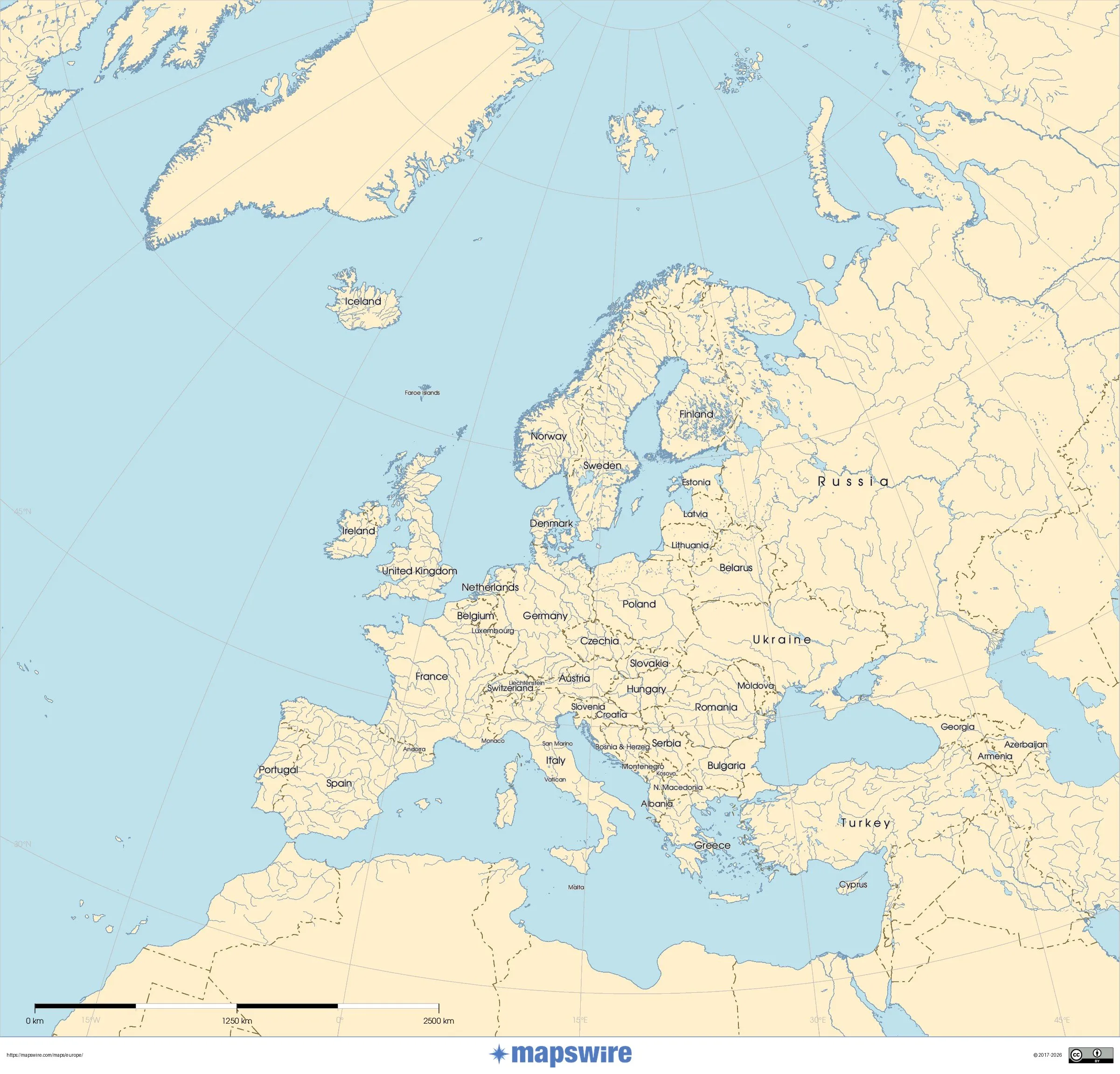
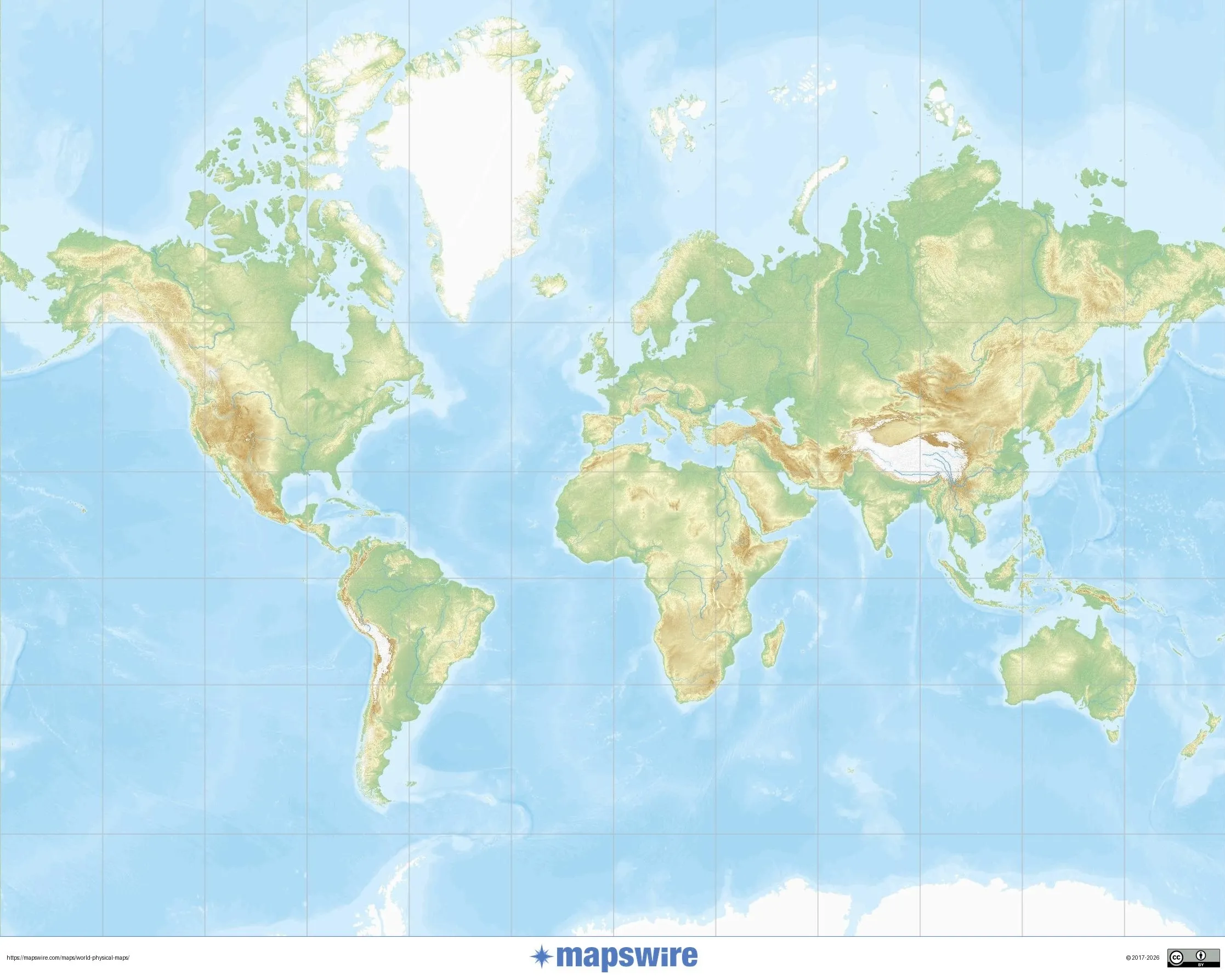
Map
| Category | |
|---|---|
| Element |
Europe
World
Related Links
| Group | List |
|---|---|
| Western Europe | NATO British Conservative Party British Labour Party Culture and Thought Science and Technology |
| Central Europe | The Division of Germany Prague Spring Fall of the Berlin Wall Literature and Thought Arts & Film |
Comments