Charles V, Holy Roman Emperor
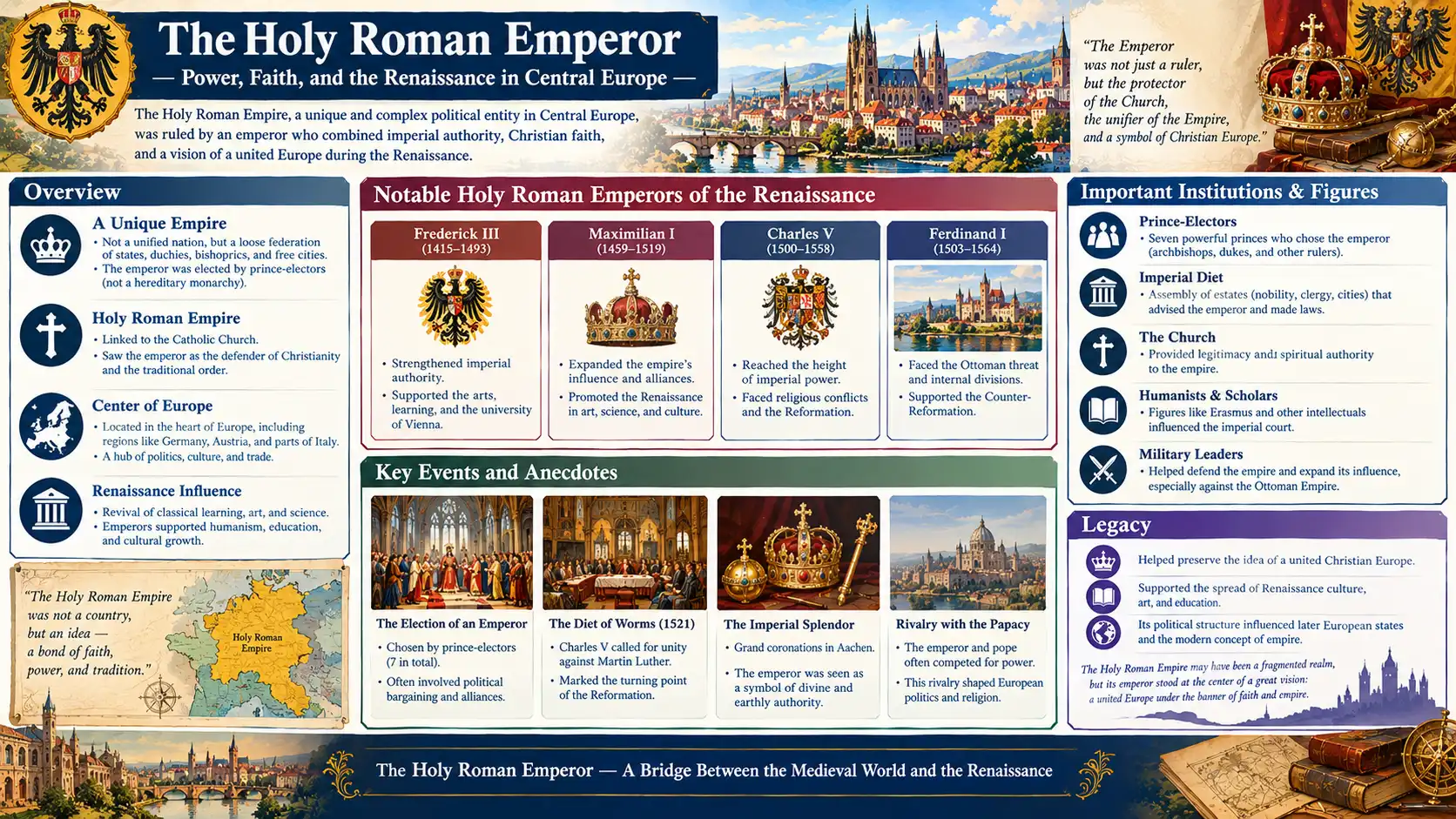
Karl von Habsburg
Monarch from the House of Habsburg. He became King Charles I of Spain in 1516, was elected Holy Roman Emperor in 1519, and was crowned Emperor in Bologna in 1530. Inheriting the Habsburg domains and the Burgundian Netherlands from his father's side, and the Kingdom of Spain along with its overseas territories from his mother's side, he became a ruler possessing vast territories across Europe and the Americas. He was a central figure in early 16th-century European politics, navigating wars over Italy with King Francis I of France, wars with the Ottoman Empire, and the response to the Protestant Reformation. He was also the King of Spain during the era when the conquests of the Aztec and Inca Empires progressed, expanding the Spanish Empire's overseas territories. Meanwhile, within the Holy Roman Empire, opposition with Lutheran princes deepened; although the imperial army was victorious in the Schmalkaldic War, he ultimately came to recognize the religious status of Lutheran princes through the Peace of Augsburg in 1555. He abdicated in 1556, passing the Spanish crown to his son Philip II and the imperial title to the line of his younger brother Ferdinand I. He spent his final years in seclusion at the Monastery of Yuste, where he died in 1558.
Timeline
| Category | |
|---|---|
| Element |
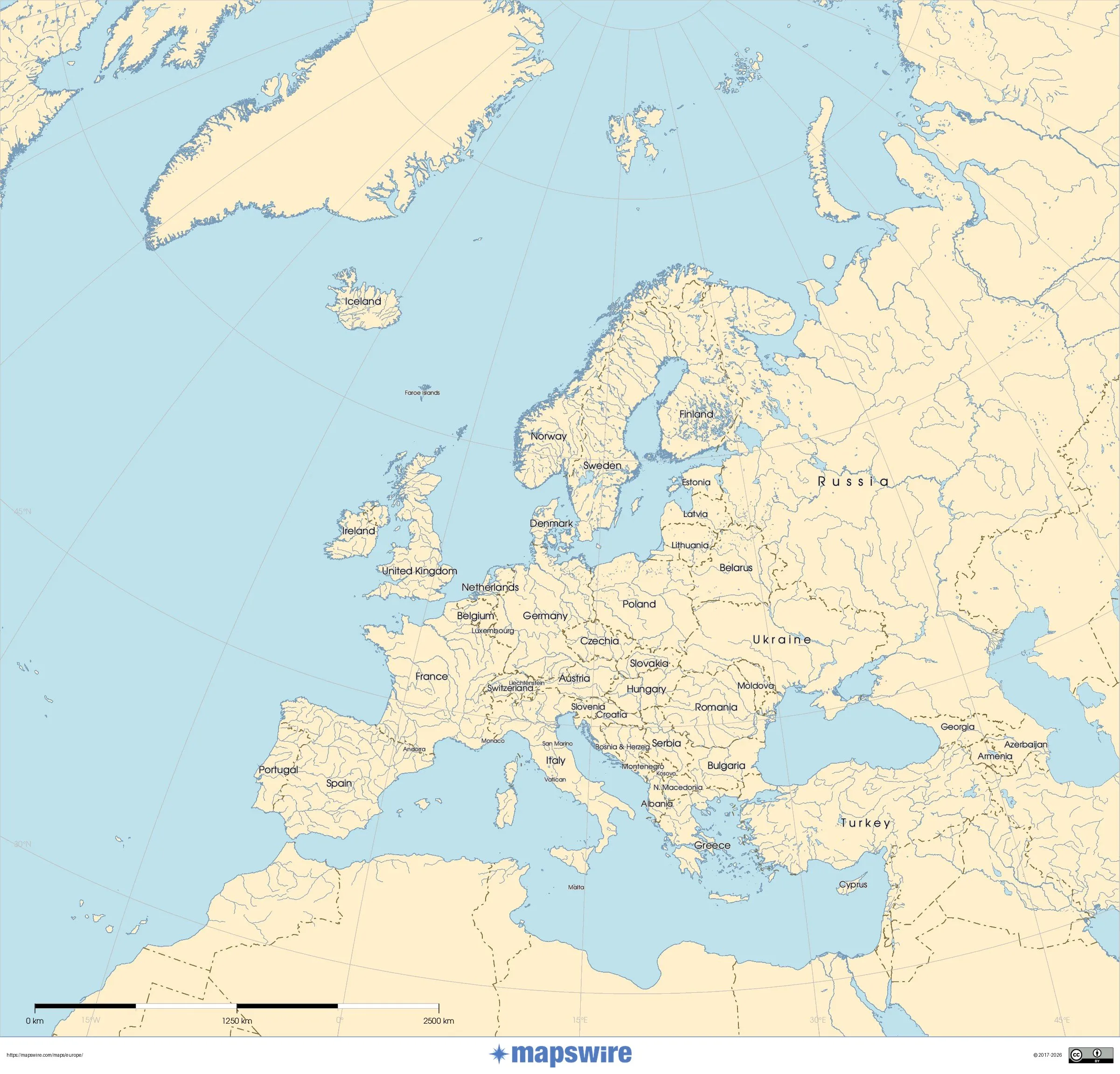
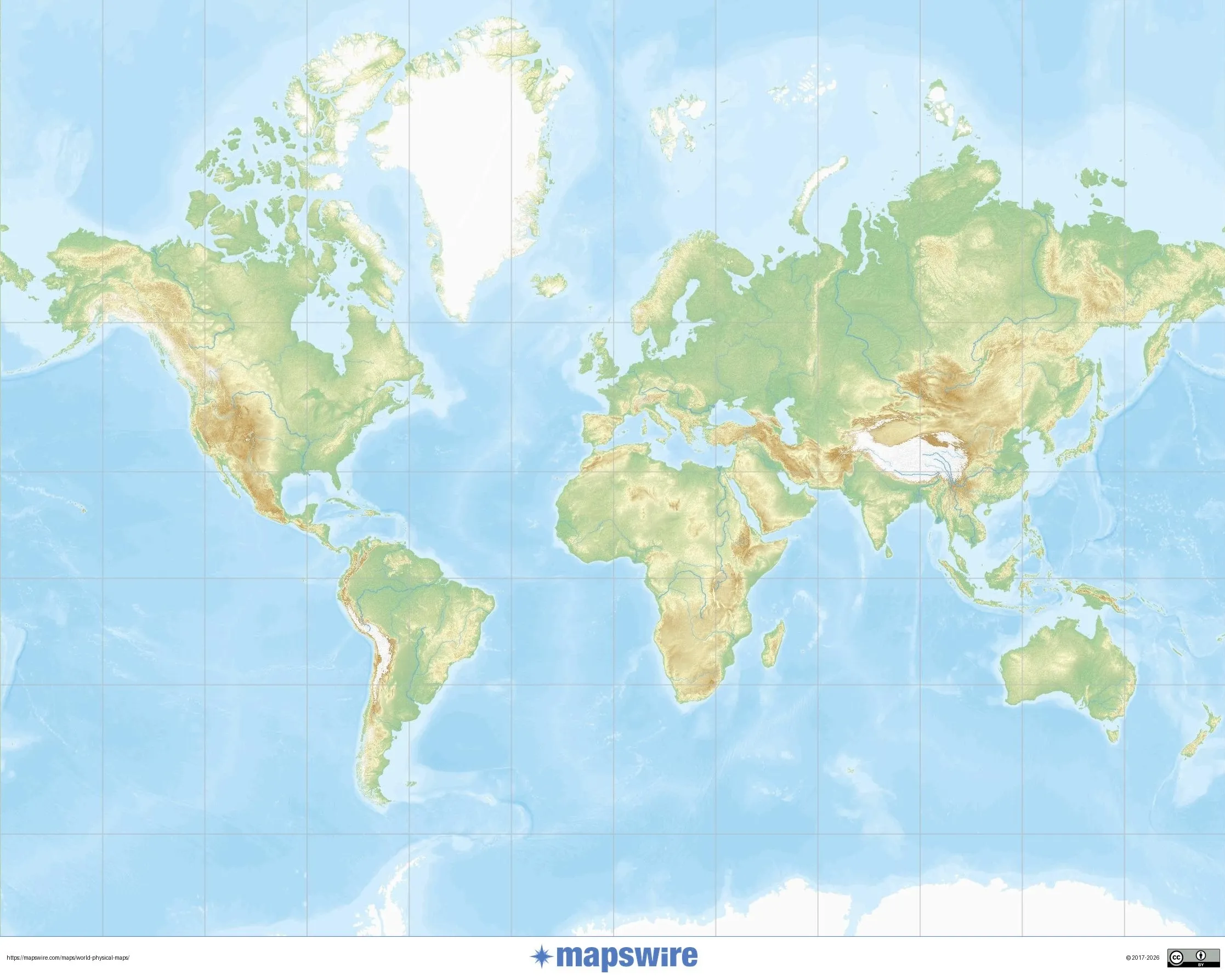
Map
| Category | |
|---|---|
| Element |
Europe
World
Comments