Max von Baden
Max von Baden
A German royal of the Grand Ducal House of Baden, military officer, and politician. At the end of World War I, he served as the final Chancellor of the German Empire and Prime Minister of the Kingdom of Prussia from October 3 to November 9, 1918. Early in the war, he served as a staff officer in the Prussian army, but subsequently engaged in prisoner-of-war relief efforts through the Red Cross. Holding a relatively liberal stance, he was critical of the war policy of the Supreme Army Command and opposed the resumption of unrestricted submarine warfare in 1917. In 1918, as Germany's defeat became evident, he assumed the chancellorship and initiated armistice negotiations with the Allies based on President Woodrow Wilson's Fourteen Points. At the same time, he brought the parliamentary majority, including the Social Democratic Party, into government and pursued constitutional reforms to transform the German Empire into a parliamentary monarchy. As the November Revolution spread, he unilaterally announced the abdication of Wilhelm II and transferred the chancellorship to Friedrich Ebert. This action served as a direct turning point leading to the end of the German Empire and the establishment of the Weimar Republic. After stepping down, he withdrew from politics and dedicated himself to educational efforts, such as founding the Schule Schloss Salem alongside Kurt Hahn.
Timeline
| Category | |
|---|---|
| Element |
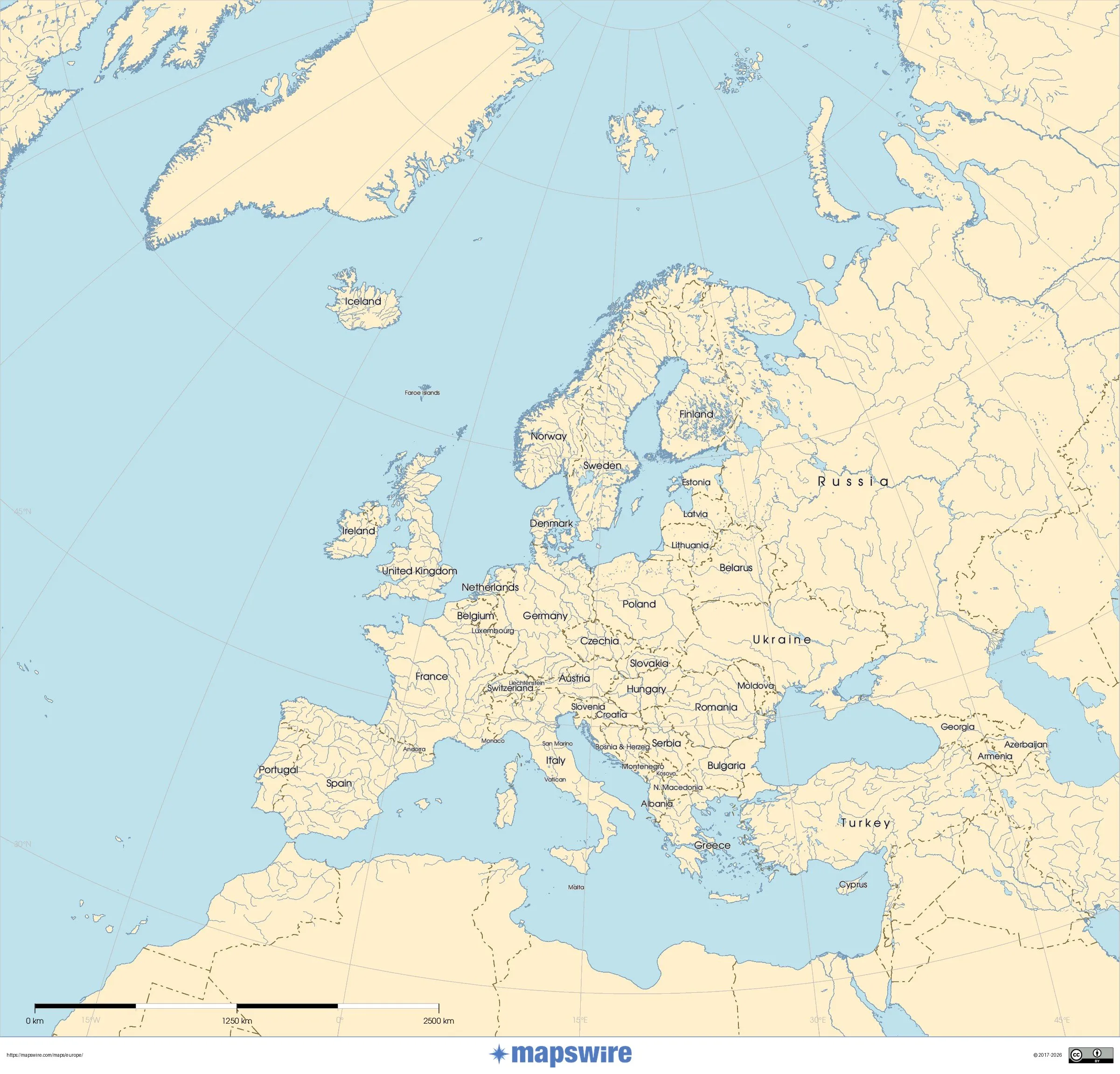
Map
| Category | |
|---|---|
| Element |
Europe
World

Comments