Max Planck and Quantum Theory
Max Planck and Quantum Theory

Max Planck

A German theoretical physicist. As one of the founders of quantum theory, he greatly contributed to the transition from classical to quantum physics by introducing the concept of energy quanta. To explain black-body radiation, he proposed the quantum hypothesis—that energy is emitted and absorbed in discrete units rather than continuously—and introduced the fundamental constant now known as Planck's constant. He was awarded the 1918 Nobel Prize in Physics for his discovery of energy quanta. He served as a professor at the University of Berlin, permanent secretary of the Prussian Academy of Sciences, and president of the Kaiser Wilhelm Society. Although he remained in Germany under the Nazi regime to protect the scientific community, he suffered severe personal tragedies during World War II, including losing his home to a bombing raid and the execution of his son Erwin for involvement in the plot to assassinate Hitler. After the war, he became the honorary president of the Kaiser Wilhelm Society and passed away in Göttingen in 1947.

Timeline

Category
Element
Year Max Planck
1858
Birth of Max Planck (Period: April 23, 1858, Location: Kiel (present-day Germany))
1874
Physics research in Munich and Berlin (Age: 15 years old, Period: 1874–1879, Location: Munich, Berlin (present-day Germany))
1879
Earning a doctorate (Max Planck, Age: 20 years old, Period: 1879, Location: Munich (present-day Germany))
Birth (Age: 20 years old, Period: July 25, 1894, Location: Obljaj (present-day Bosansko Grahovo municipality, Bosnia and Herzegovina))
1885
Appointed professor at the University of Kiel (Max Planck, Age: 26 years old, Period: 1885, Location: Kiel (present-day Germany))
1887
Marriage (Max Planck, Marie Merck, Age: 28 years old, Period: March 31, 1887, Location: Kiel (present-day Germany))
1889
Appointed professor at the University of Berlin (Max Planck, Age: 30 years old, Period: 1889, Location: Berlin (present-day Germany))
1890
Blackbody radiation research and quantum hypothesis (Age: 31 years old, Period: 1890s–1900, Location: Berlin (present-day Germany))
1900
Proposal of the quantum hypothesis (Age: 41 years old, Period: 1900, Location: Berlin (present-day Germany))
1911
Marriage (Max Planck, Marga von Hoesslin, Age: 52 years old, Period: March 14, 1911, Location: Berlin (present-day Germany))
1912
Appointed Permanent Secretary of the Prussian Academy of Sciences (Max Planck, Age: 53 years old, Period: 1912, Location: Berlin (present-day Germany))
1914
World War I (Age: 55 years old, Period: 1914–1918, Location: Europe, Middle East, and Africa)
1916
Death of eldest son Karl in World War I (Age: 57 years old, Period: 1916, Location: Verdun (present-day France))
1920
Awarded the Nobel Prize in Physics (Max Planck, Age: 61 years old, Period: Decided in 1918, awarded in 1920, Location: Stockholm (present-day Sweden))
1930
President of the Kaiser Wilhelm Society (Age: 71 years old, Period: 1930–1937, Location: Berlin (present-day Germany))
1933
Nazi regime's control over the scientific community (Age: 74 years old, Period: 1933–1937, Location: Berlin (present-day Germany))
Preserving the scientific community under the Nazi regime (Age: 74 years old, Period: 1933–1943, Location: Germany)
1939
World War II (Age: 80 years old, Period: 1939–1945, Location: UK, France, Atlantic, North Africa, Mediterranean, and Europe)
1944
Destruction of home in Berlin by bombing (Age: 85 years old, Period: 1944, Location: Berlin (present-day Germany))
July 20 Plot and execution of Erwin Planck (Age: 86 years old, Period: July 1944–January 1945, Location: Berlin (present-day Germany))
1945
Evacuation to Göttingen (Age: 86 years old, Period: 1945, Location: Göttingen (present-day Germany))
1946
Appointed Honorary President of the Kaiser Wilhelm Society (Max Planck, Age: 87 years old, Period: 1946, Location: Göttingen (present-day Germany))
1947
Death of Max Planck (Age: 89 years old, Period: October 4, 1947)

Map

Category
Element
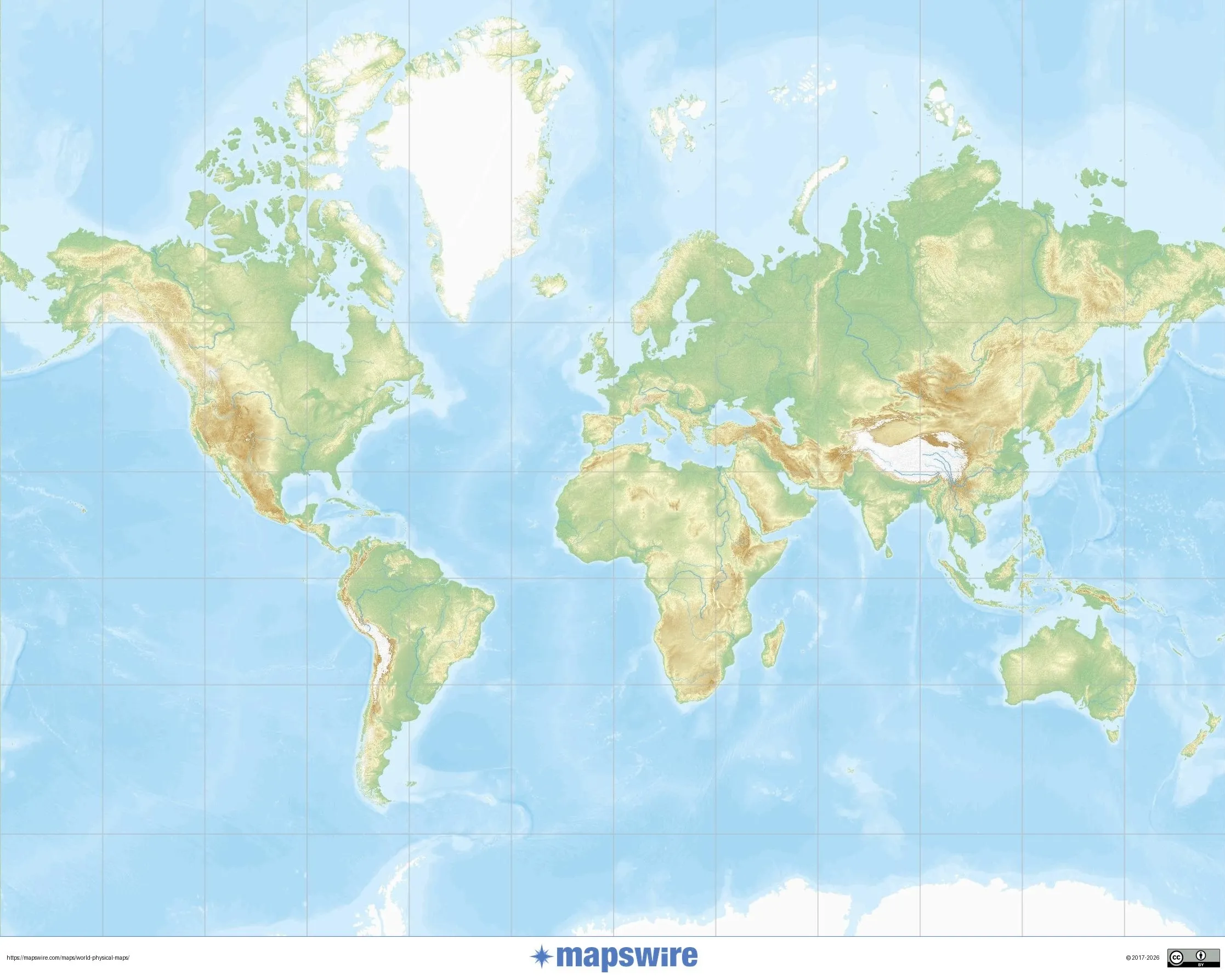
Europe World
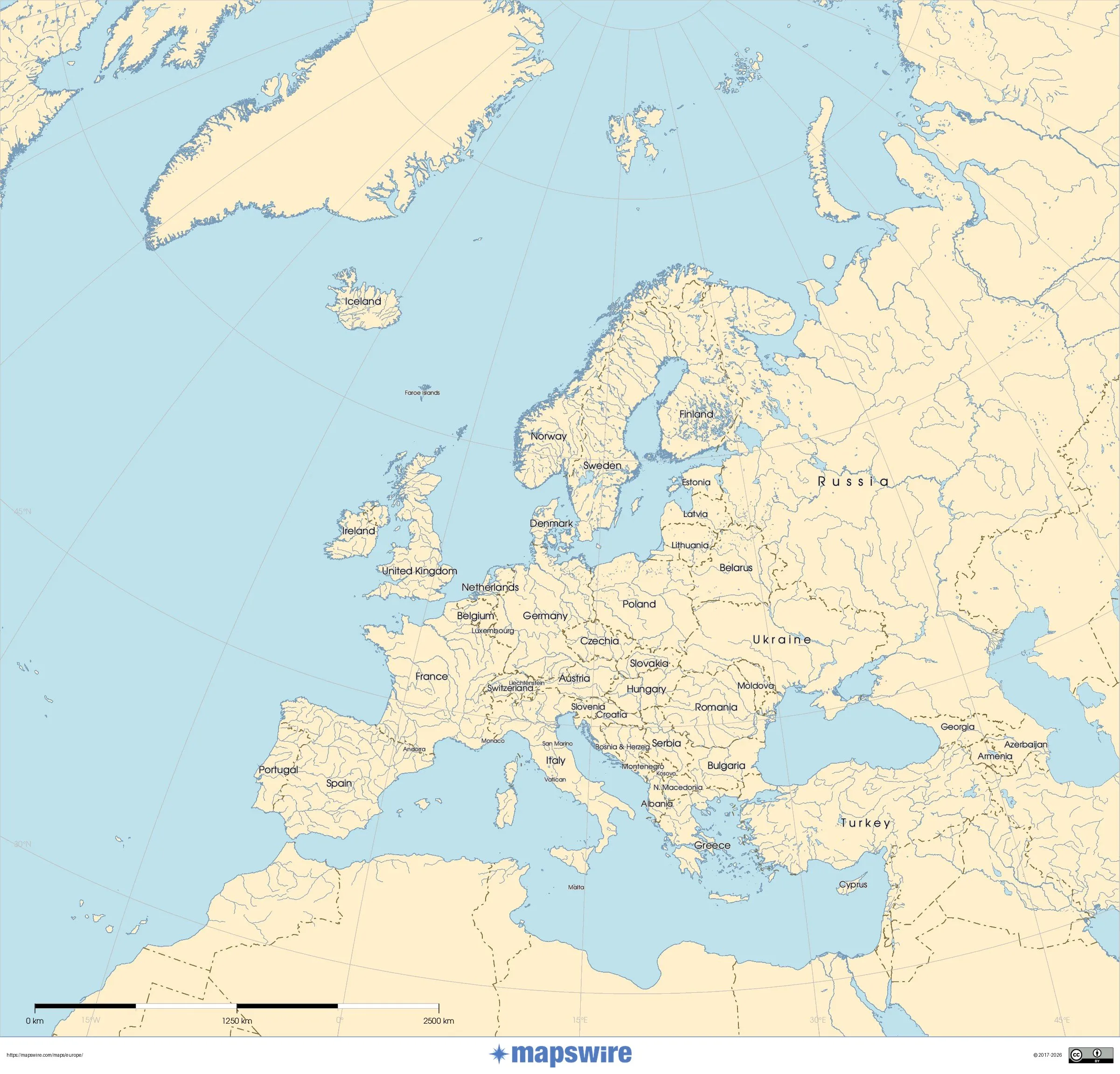
europe map

Related Links

Other Languages

Comments