Albert Einstein and Relativity
Albert Einstein
A German-born theoretical physicist. He developed the special theory of relativity, the general theory of relativity, the light quantum hypothesis, and the theory of Brownian motion, significantly influencing 20th-century physics. In 1905, he published papers on special relativity, the equivalence of mass and energy, and light quanta, followed by the general theory of relativity in 1916. He was awarded the 1921 Nobel Prize in Physics for his contributions to theoretical physics, particularly his discovery of the law of the photoelectric effect. After World War I, he actively engaged in international cooperation, pacifism, and supporting Jewish people. Leaving Germany in 1933 following the rise of the Nazi regime, he moved to the United States and continued his research at the Institute for Advanced Study in Princeton. Prior to World War II, alarmed by the possibility of Nazi Germany developing nuclear weapons, he signed a letter to U.S. President Roosevelt. In the post-war era, he advocated for the abolition of nuclear weapons, a world government, and peace movements until his death in Princeton in 1955.
Timeline
| Category | |
|---|---|
| Element |
Map
| Category | |
|---|---|
| Element |
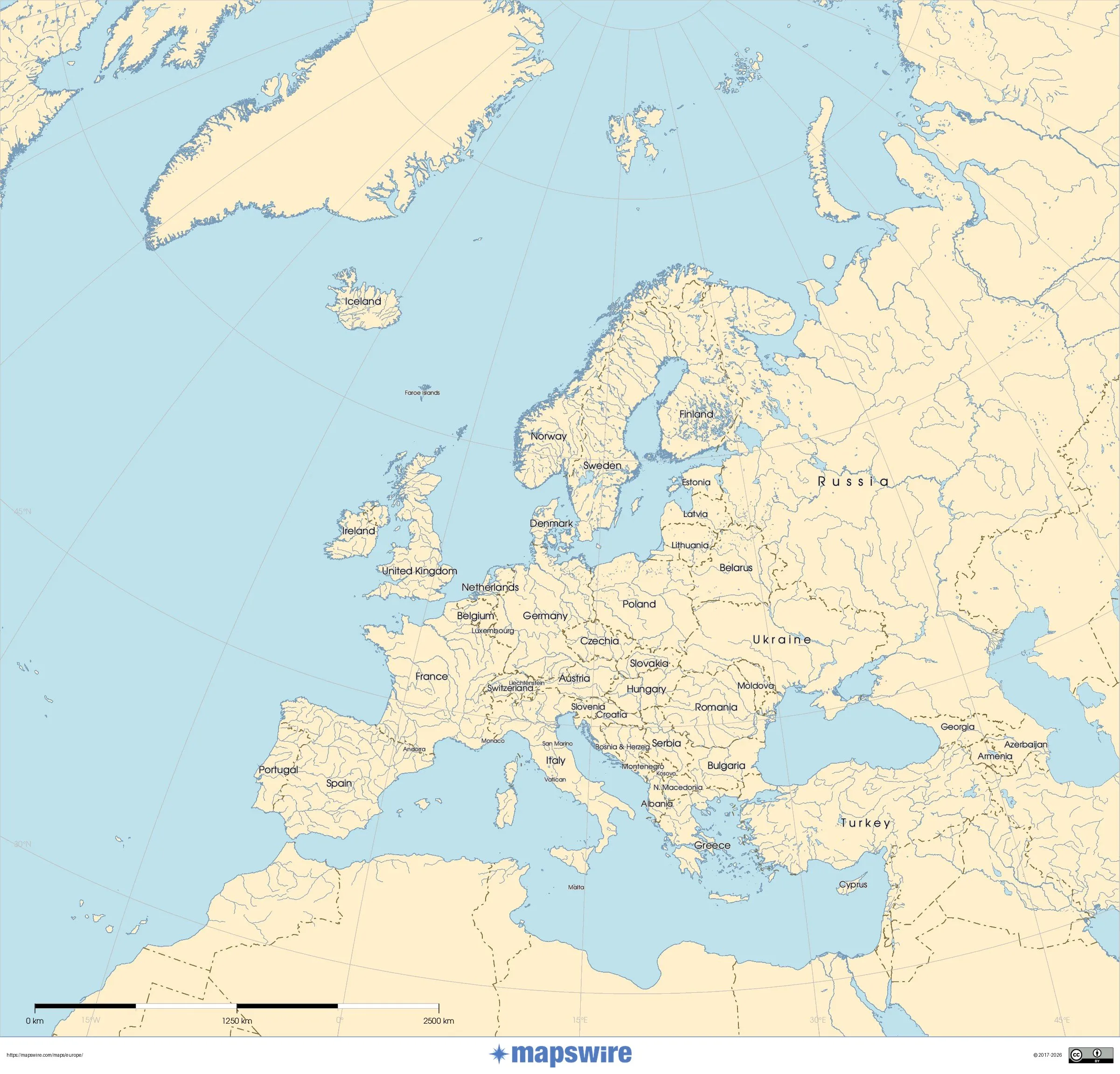
Europe
World

Comments