Unveiling Cellular Structures and Elasticity
Unveiling Cellular Structures and Elasticity

Robert Hooke

An English natural philosopher, physicist, astronomer, geologist, meteorologist, and architect. As experimental assistant to Robert Boyle, he improved the vacuum pump, and as the first Curator of Experiments at the Royal Society, he demonstrated numerous experiments. In his 1665 publication Micrographia, he systematically introduced microscopic observations and referred to the structure of cork as "cells." He also established Hooke's law regarding elasticity and left important research in astronomy, horology, and geology. After the Great Fire of London in 1666, he was deeply involved in the rebuilding of London as a surveyor and architect alongside Christopher Wren.

Timeline

Category
Element
Year Robert Hooke
1635
Birth of Robert Hooke (Period: July 18, 1635 (Julian calendar then used in England; July 28 in the Gregorian calendar), Location: Freshwater, Isle of Wight; an area still known today as Freshwater in the western part of the Isle of Wight)
1642
English Civil War (Age: 6 years old, Period: 1642–1651, Location: England, Scotland, Ireland)
1648
Death of Father John Hooke and Move to London (Robert Hooke, Age: 12 years old, Period: 1648, Location: Isle of Wight to London)
1653
Beginning of Scientific Research in Oxford (Robert Hooke, Age: 17 years old, Period: 1653–1662, Location: Oxford)
1655
Collaboration on Boyle's Air Pump Experiments (Age: 19 years old, Period: c. 1655 – early 1660s, Location: Oxford)
1660
Research in Geology and Paleontology (Robert Hooke, Age: 24 years old, Period: 1660s–1680s, Location: London and England)
1662
Appointment as Curator of Experiments for the Royal Society (Robert Hooke, Age: 26 years old, Period: 1662, Location: London)
1664
Observations on the Rotations of Mars and Jupiter (Age: 28 years old, Period: 1664, Location: London)
1665
Great Plague of London (Age: 29 years old, Period: 1665–1666, Location: London and England)
Publication of Micrographia (Age: 29 years old, Period: 1665, Location: London)
Activities as Gresham Professor of Geometry (Robert Hooke, Age: 29 years old, Period: 1665–1703, Location: Gresham College, London)
1666
Participation in the Reconstruction of London (Robert Hooke, Age: 30 years old, Period: 1666 – 1670s, Location: London)
Great Fire of London (Age: 31 years old, Period: September 2, 1666 – September 6, 1666, Location: London)
1670
Newton-Hooke Controversy over Gravitation and Scientific Priority (Age: 34 years old, Period: 1670s–1680s, Location: London and England)
Priority Dispute between Hooke and Christiaan Huygens over Watchmaker Technology (Age: 34 years old, Period: 1670s, Location: European scientific community, mainly London)
1674
Considerations on the Inverse-Square Law of Gravitation and Correspondence with Newton (Age: 38 years old, Period: 1674–1680, Location: London)
1678
Publication of Hooke's Law (Age: 42 years old, Period: 1678, Location: London)
1703
Death of Robert Hooke (Age: 67 years old, Period: March 3, 1703, London (equivalent to March 14 in the Gregorian calendar))
Unknown
Marriage (Robert Hooke, None, Period: Never married, Location: N/A)

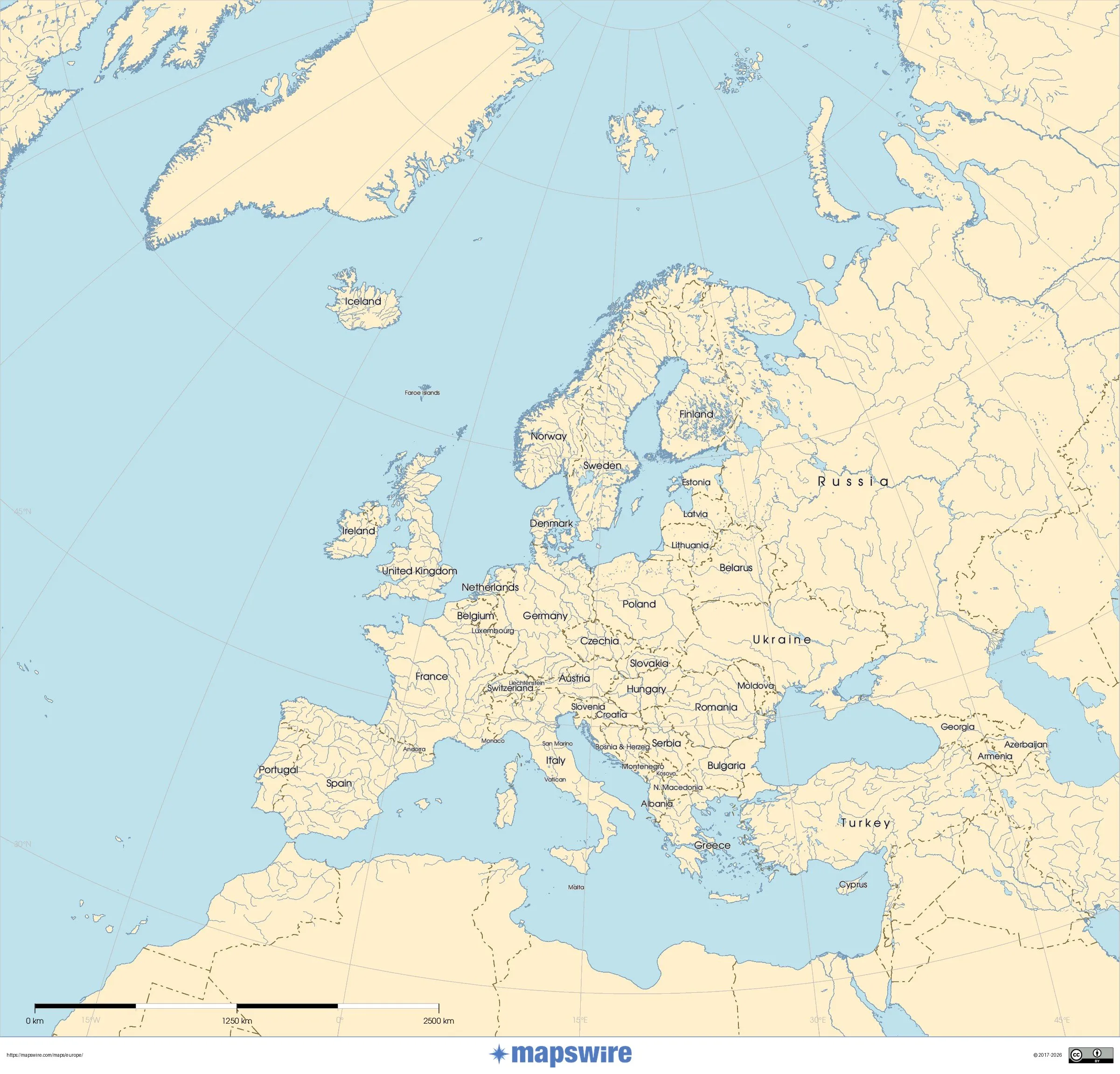
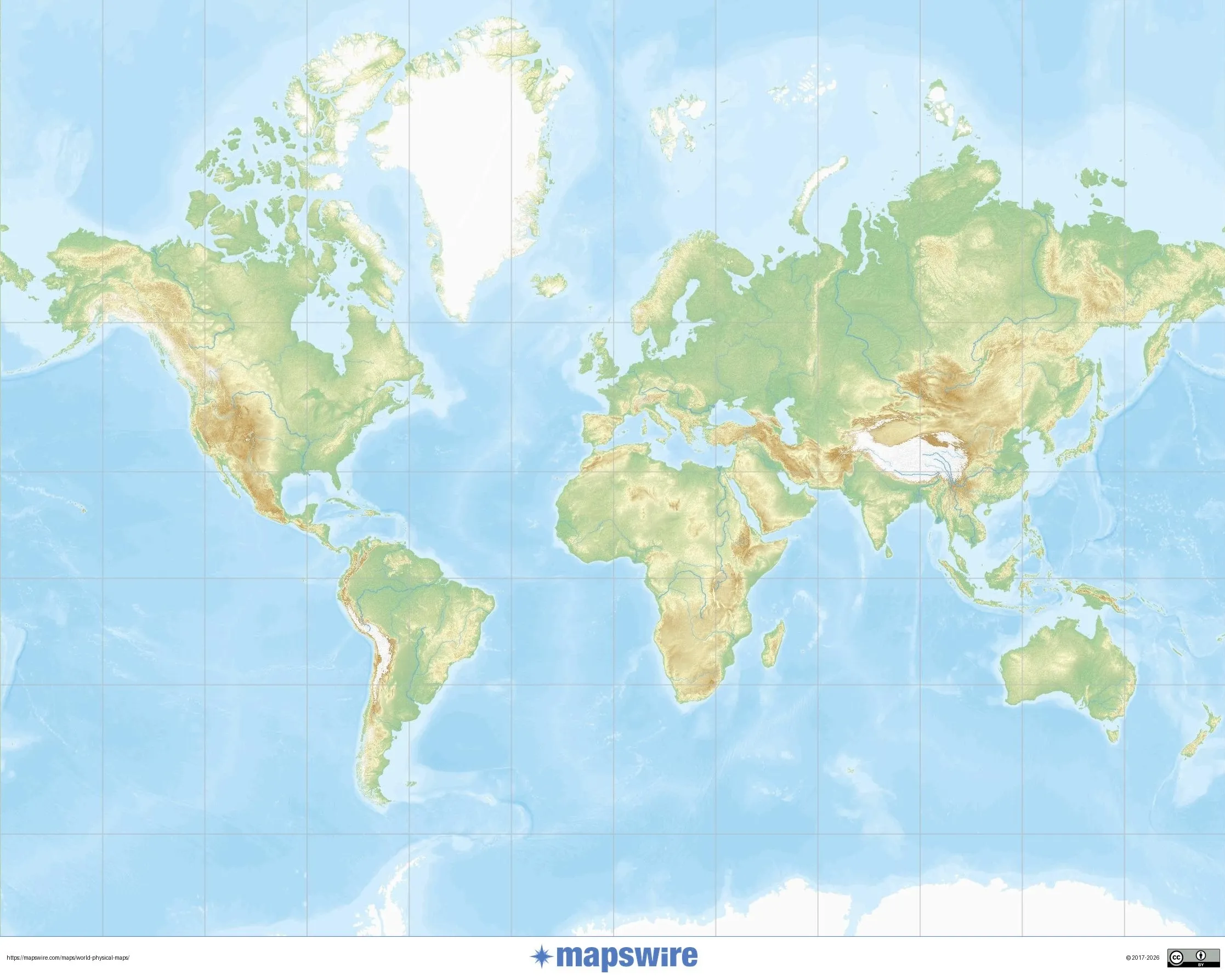
Map

Category
Element
Europe World
europe map

Related Links

Other Languages

Comments