Science and Astronomy in Exploration
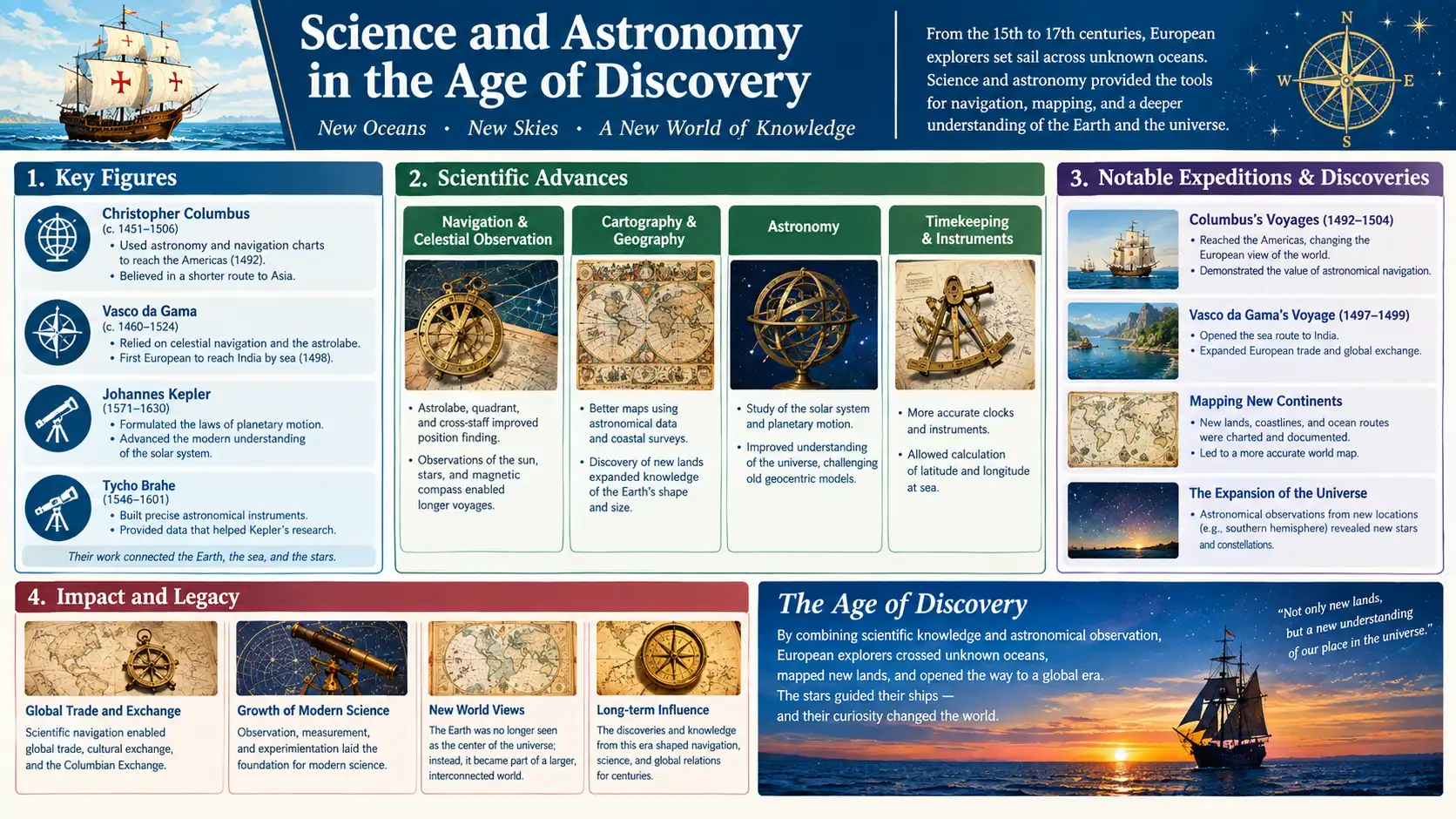
Science and Astronomy
During the Age of Discovery, science and astronomy underwent a profound revolution driven by the needs of global navigation and empirical observation. Advances in celestial navigation, cartography, and instruments like the astrolabe allowed explorers to cross oceans with unprecedented accuracy. The era challenged classical Aristotelian cosmology through meticulous observations of celestial bodies and new natural phenomena. Discoveries of unknown flora, fauna, and geography across the Americas and Asia stimulated the growth of botany, zoology, and meteorology. This empirical shift laid the groundwork for the Scientific Revolution, transforming natural philosophy into modern experimental science and reshaping humanity's understanding of the universe.
People
Birth
Death
Origin
Age (Death)
| 1546 | |
|---|---|
| 1580 | |
| 1580 | |
| 1610 | |
| 1647 | |
| 1659 | |
| 1683 | |
| 1708 | |
| 1709 |
Timeline
| Category | |
|---|---|
| Element |
| Year | Science and Astronomy |
|---|---|
| 1523 |
Siege of Malmö
|
| 1546 |
Birth of Tycho Brahe (Period: December 14, 1546, Location: Near Svalöv, Scania (present-day Sweden))
|
| 1559 |
Interest in astronomy at the University of Copenhagen (Tycho Brahe)
|
| 1562 |
Planetary observations in Leipzig and transition to systematic observation
|
| 1563 |
Northern Seven Years' War
|
| 1566 |
Nose injury in a duel at Rostock
|
| 1568 | |
| 1571 |
Marriage (Tycho Brahe, Kirsten Barbara Jørgensdatter)
|
| 1572 |
Discovery and observation of the Nova of 1572
|
| 1573 |
Publication of De Nova Stella
|
| 1576 |
Conflicts with peasants on Hven
Construction of Uraniborg Observatory
|
| 1577 |
Observation of the Great Comet of 1577
|
| 1580 |
Birth of Philip Clüver (Period: 1580 (exact date unknown), Location: Gdańsk (Poland))
Birth of Jan Baptist van Helmont (Period: January 12, 1580 (some historical sources record January 12, 1579 in the Julian calendar), Location: Brussels (Belgium))
|
| 1584 |
Construction of Stjerneborg Observatory
|
| 1593 |
Long Turkish War
|
| 1597 |
Exile and departure from Denmark (Tycho Brahe)
Relocation from Denmark to Prague (Tycho Brahe)
|
| 1599 |
Obtaining a Doctor of Medicine degree (Jan Baptista van Helmont)
|
| 1600 |
Collaborative research with Johannes Kepler (Tycho Brahe)
Travels across Europe and medical research (Jan Baptista van Helmont)
Military service in Bohemia and Hungary
Shift from legal studies to ancient geography at Leiden University
|
| 1601 |
Death of Tycho Brahe
|
| 1602 |
Dutch–Portuguese War
|
| 1605 |
Severe plague outbreak in Antwerp
|
| 1606 |
Imprisonment related to the defense document for Popel von Lobkowicz
|
| 1607 |
Travel on foot across Europe (Philipp Clüver)
Interaction with Isaac Casaubon in England (Philipp Clüver)
|
| 1609 |
Research life in Vilvoorde (Jan Baptista van Helmont)
Marriage (Jan Baptista van Helmont, Margaret van Ranst)
|
| 1610 |
Birth of Georg Marcgrave (Period: September 20, 1610, Location: Liebstadt (Germany))
|
| 1611 |
Publication of "Commentarius de tribus Rheni alveis, et ostiis"
|
| 1616 |
Acquisition of an academic position and pension at Leiden University
Publication of "Germania Antiqua"
Appointment as academic geographer at Leiden University (Philipp Clüver)
|
| 1617 |
Research trip to Italy and Sicily (Philipp Clüver)
|
| 1618 | |
| 1619 |
Publication of "Sicilia Antiqua" and "Sardinia et Corsica Antiqua"
|
| 1620 |
Compilation of "Italia Antiqua"
|
| 1621 |
Persecution of works and research by the Spanish Inquisition (Jan Baptista van Helmont)
|
| 1622 |
Death of Philip Clüver
|
| 1624 |
Publication of "Introductio in Universam Geographiam"
|
| 1627 |
Itinerant study across various German universities (Georg Marcgrave)
|
| 1630 |
Occupation and rule of northeastern Brazil by the Dutch
|
| 1636 |
Research in astronomy and natural sciences at Leiden University (Georg Marcgrave)
|
| 1637 |
Scientific research project by Johan Maurits
Dispatch to Dutch Brazil (Georg Marcgrave)
|
| 1638 |
Construction of the Recife Observatory and astronomical observations
Natural history investigation of northeastern Brazil
Natural history research leading to "Historia Naturalis Brasiliae"
|
| 1640 |
Mapping of northeastern Brazil
|
| 1643 |
Relocation from Brazil to Africa
|
| 1644 |
Death of Georg Marcgrave
Death of Jan Baptist van Helmont
|
| 1647 |
Birth of Maria Sibylla Merian (Period: April 2, 1647, Location: Frankfurt am Main (Germany))
|
| 1648 |
Publication of "Ortus medicinae"
Publication of "Historia Naturalis Brasiliae"
|
| 1650 |
Beginning of observation of insects and plants
|
| 1659 |
Birth of Georg Ernst Stahl (Period: October 22, 1659, Location: Ansbach (Germany))
|
| 1665 |
Marriage (Maria Sibylla Merian, Johann Andreas Graff)
|
| 1670 |
Move to Nuremberg (Maria Sibylla Merian)
|
| 1675 |
Publication of "Neues Blumenbuch" (New Book of Flowers)
|
| 1679 |
Beginning of medical research at the University of Jena (Georg Ernst Stahl)
Medical and chemical research at the University of Jena (Georg Ernst Stahl)
|
| 1683 |
Great Turkish War
Publication of "The Wondrous Transformation of Caterpillars"
Birth of Lorenz Heister (Period: September 19, 1683, Location: Frankfurt am Main (Germany))
|
| 1685 |
Move to the Labadist community (Maria Sibylla Merian)
|
| 1687 |
Court physician to the Duke of Saxe-Weimar (Georg Ernst Stahl)
|
| 1688 |
Nine Years' War
|
| 1690 |
Systematization of phlogiston theory (Georg Ernst Stahl)
Marriage (Georg Ernst Stahl, Catharina Margaretha Mik机ルツィン / Catharina Margaretha Mickeltzin)
|
| 1691 |
Move to Amsterdam (Maria Sibylla Merian)
|
| 1692 |
Divorce from Johann Andreas Graff (Maria Sibylla Merian)
|
| 1694 |
Appointment as Professor of Medicine at the University of Halle (Georg Ernst Stahl)
Medical education at the University of Halle (Georg Ernst Stahl)
|
| 1697 |
Publication of "Zymotechnia fundamentalis seu fermentationis theoria generalis"
|
| 1699 |
Scientific expedition to Suriname (Maria Sibylla Merian)
Voyage to Suriname (Maria Sibylla Merian)
|
| 1700 |
Election as a member of Leopoldina (Georg Ernst Stahl)
Great Northern War
|
| 1701 | |
| 1702 |
Medical research at the University of Giessen and Wetzlar (Lorenz Heister)
|
| 1705 |
Publication of "Metamorphosis Insectorum Surinamensium"
Late research activities in Amsterdam
Marriage (Georg Ernst Stahl, Barbara Eleonora Tenzel)
|
| 1706 |
Anatomical research in Amsterdam (Lorenz Heister)
|
| 1707 |
Service in military field hospitals in Brussels and Ghent
Medical and anatomical research in Leiden (Lorenz Heister)
|
| 1708 |
Publication of "Theoria medica vera"
Birth of Albrecht von Haller (Period: October 16, 1708, Location: Bern (Switzerland))
|
| 1709 |
Rejoining the Dutch forces (Lorenz Heister)
War of the Spanish Succession: Siege of Tournai
Birth of Johann Georg Gmelin (Period: August 10, 1709, Location: Tübingen (Germany))
War of the Spanish Succession: Battle of Malplaquet
|
| 1711 |
Appointment as Professor at the University of Altdorf (Lorenz Heister)
Marriage (Georg Ernst Stahl, Regina Elisabeth Wesener)
|
| 1712 |
Marriage (Lorenz Heister, Eva Maria Hildebrand)
|
| 1715 |
Appointment as court physician to the King of Prussia and head of medical administration (Georg Ernst Stahl)
Medical administration and research in Berlin (Georg Ernst Stahl)
Election as a foreign member of the Prussian Academy of Sciences (Lorenz Heister)
|
| 1717 |
Death of Maria Sibylla Merian
|
| 1718 |
Publication of "Chirurgie"
|
| 1720 |
Appointment as Professor at the University of Helmstedt (Lorenz Heister)
Development of the Helmstedt Botanical Garden
|
| 1721 |
Publication of "Compendium anatomicum"
|
| 1722 |
Early studies at the University of Tübingen (Johann Georg Gmelin)
|
| 1723 |
Publication of "Fundamenta chymiae dogmaticae et experimentalis"
Medical research at the University of Tübingen (Albrecht von Haller)
|
| 1727 |
Obtaining a Doctor of Medicine degree at Leiden University (Albrecht von Haller)
Anatomical and surgical research in Paris and London (Albrecht von Haller)
Joining the St. Petersburg Academy of Sciences
Move to Russia and start of research activities (Johann Georg Gmelin)
|
| 1728 |
Mathematical and botanical research in Basel (Albrecht von Haller)
|
| 1729 |
Activities as a physician and botanical researcher in Bern (Albrecht von Haller)
|
| 1730 |
Research on muscle irritability and nerve sensibility
|
| 1731 |
Marriage (Albrecht von Haller, Marianne Wyss)
|
| 1732 |
Publication of "Die Alpen" (The Alps)
|
| 1733 |
Participation in the Second Kamchatka Expedition
Departure for the Siberian expedition (Johann Georg Gmelin)
|
| 1734 |
Investigation of the Irtysh River basin and Transbaikal region
Death of Georg Ernst Stahl
|
| 1735 |
Russo-Turkish War
Investigation based in Yakutsk (Johann Georg Gmelin)
|
| 1736 |
Invitation to the University of Göttingen (Albrecht von Haller)
Development of medical and natural science facilities at the University of Göttingen (Albrecht von Haller)
House fire in Yakutsk (Johann Georg Gmelin)
|
| 1739 |
Investigation of the Yenisei River basin
Marriage (Albrecht von Haller, Elisabeth Bucher)
|
| 1740 |
War of the Austrian Succession
|
| 1741 |
Investigation of the Ural region and other areas (Johann Georg Gmelin)
Marriage (Albrecht von Haller, Sophie Amalia Christina Teichmeyer)
|
| 1743 |
Election as Fellow of the Royal Society (Christiaan Huygens)
Return from the Siberian expedition (Johann Georg Gmelin)
|
| 1747 |
Publication of "Primae lineae physiologiae corporis humani"
Editing of "Göttingische gelehrte Anzeigen"
Publication of "Flora Sibirica"
Return to the University of Tübingen (Johann Georg Gmelin)
|
| 1749 |
Elevation to nobility by the Holy Roman Emperor (Albrecht von Haller)
Election as a foreign member of the Royal Swedish Academy of Sciences (Johann Georg Gmelin)
Marriage (Johann Georg Gmelin, Barbara Gmelin)
|
| 1751 |
Establishment and presidency of the Royal Society of Sciences in Göttingen (Albrecht von Haller)
Publication of "Travels in Siberia"
|
| 1753 |
Return home from Göttingen to Bern
|
| 1755 |
Death of Johann Georg Gmelin
|
| 1756 |
Seven Years' War
|
| 1758 |
Engagement in administration of Bern's salt mines and salt industry (Albrecht von Haller)
Death of Lorenz Heister
|
| 1768 |
Publication of "Historia stirpium indigenarum Helvetiae"
|
| 1777 |
Death of Albrecht von Haller
|
| Unknown |
Academic research in Leuven (Jan Baptista van Helmont, Period: Late 16th century, Location: Leuven (present-day Belgium))
Five-year willow tree experiment (Jan Baptista van Helmont, Period: First half of the 17th century, Location: Research environment around Vilvoorde)
Introduction of the concept of "gas" (Period: First half of the 17th century, Location: Research activities in the Southern Netherlands)
Research on carbon dioxide (Period: First half of the 17th century, Location: Southern Netherlands)
Chemical research in medicine and physiology (Period: First half of the 17th century, Location: Vilvoorde and other areas)
Research on tracheotomy (Lorenz Heister, Period: First half of the 18th century, Location: Helmstedt (present-day Germany))
International dissemination of surgery and anatomy (Period: First half to second half of the 18th century, Location: Germany, Europe, Japan, etc.)
|
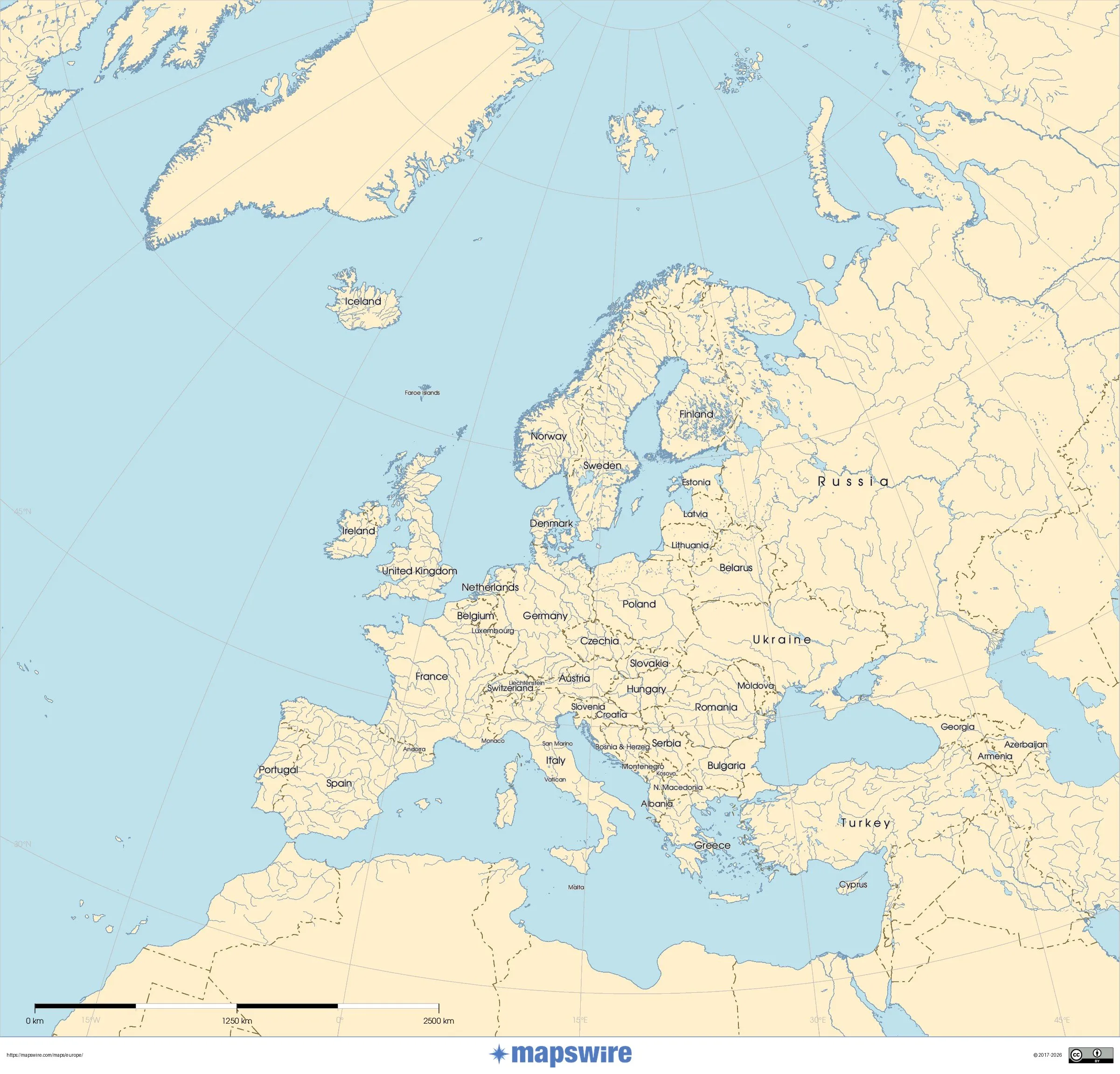
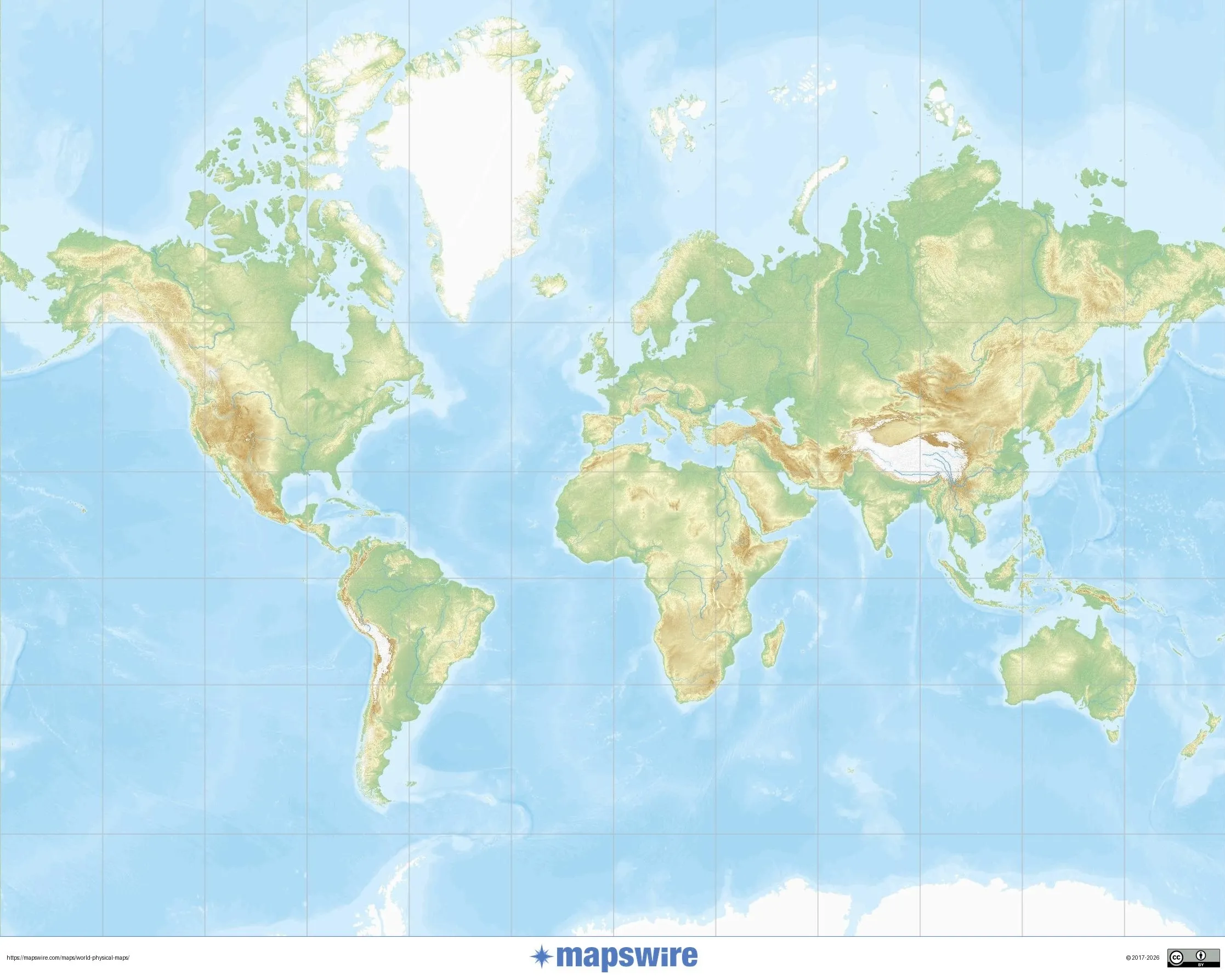
Map
| Category | |
|---|---|
| Element |
Europe
World
Related Links
| Group | List |
|---|---|
| Central Europe | Roman Empire Habsburg Family Science and Astronomy Music & Art |
| Western Europe | East India Company Expansion into North America Science and Astronomy Arts and Culture |
Comments