Jean-Paul Sartre

Jean-Paul Sartre

Jean-Paul Sartre

French philosopher, novelist, playwright, and political activist. One of the representative existentialist thinkers of the 20th century, he developed the idea that humans do not follow a predetermined essence, but rather shape themselves through their own choices and actions. His major works include Nausea, Being and Nothingness, Existentialism Is a Humanism, and Dirty Hands. He built a lifelong intellectual and personal partnership with writer and philosopher Simone de Beauvoir. Having experienced being taken prisoner by the German army during World War II, he actively made political statements opposing colonialism and oppression after the war. He was awarded the Nobel Prize in Literature in 1964, but declined it on the grounds that a writer should avoid being co-opted by institutions or authorities.

Timeline

Category
Element
Year Jean-Paul Sartre
1905
Birth of Jean-Paul Sartre (Period: June 21, 1905, Location: Paris, France)
1906
Death of father and upbringing by maternal grandparents (Period: 1906 onwards, Location: Various locations in Paris, France)
1924
Studies at the École Normale Supérieure and meeting with Simone de Beauvoir (Age: 18 years old, Period: 1924–1929, Location: Paris, France)
1929
Work as a philosophy teacher (Age: 23 years old, Period: 1929–1939, Location: Various locations in France)
1938
Publication of the novel Nausea (Age: 32 years old, Period: 1938, Location: Paris, France (publishing))
1939
World War II (Age: 33 years old, Period: 1939–1945, Location: Britain, North Africa, Mediterranean region, etc.)
1940
Internment of prisoners of war by the German military (Age: 34 years old, Period: 1940–1941, Location: Padou and Nancy in eastern France, Trier in Germany, etc.)
Political activity and rapprochement with Marxism (Age: 34 years old, Period: Late 1940s–1950s, Location: Europe centered on France)
1943
Publication of the philosophical treatise Being and Nothingness (Age: 37 years old, Period: 1943, Location: Paris, France (publishing))
1944
Performance of the play No Exit (Age: 38 years old, Period: 1944, Location: Paris, France)
1945
Founding of the magazine Les Temps Modernes (Age: 39 years old, Period: 1945, Location: Paris, France)
Lectures and writings on existentialism (Age: 39 years old, Period: 1945–1946, Location: Paris, France)
1949
Ideological involvement with the book The Second Sex (Age: 43 years old, Period: 1949, Location: Paris, France (publishing))
1950
Protest against French colonialism and torture (Age: 44 years old, Period: 1950s–1960s, Location: France, Algeria)
1954
Algerian War (Age: 48 years old, Period: 1954–1962, Location: French Algeria, mainland France)
1964
Publication of Words (Age: 58 years old, Period: 1964, Location: Paris, France (publishing))
Marriage (Jean-Paul Sartre, Arlette Elkaïm-Sartre, Age: 58 years old, Period: Adopted in 1964, Location: None (adopted child, not marriage))
Refusal of the 1964 Nobel Prize in Literature (Age: 59 years old, Period: October 1964, Location: Stockholm, Sweden (award-granting institution), Paris, France (Sartre's base of operations))
Decision to award and subsequent refusal of the 1964 Nobel Prize in Literature (Age: 59 years old, Period: October 1964, Location: Stockholm, Sweden, Paris, France)
1968
May 1968 events (Age: 62 years old, Period: May–June 1968, Location: Various locations centered around Paris, France)
1970
Late-life visual impairment and political statements (Age: 64 years old, Period: 1970s–1980, Location: Various locations centered around Paris, France)
1980
Marriage (Jean-Paul Sartre, Simone de Beauvoir, Age: 74 years old, Period: Lifelong partnership lasting from 1929 to 1980, Location: None (not legally married))
Death of Jean-Paul Sartre (Age: 74 years old, Period: April 15, 1980)
Death and burial in Montparnasse Cemetery (Age: 74 years old, Period: From April 15, 1980 onwards, Location: Paris, France)

Map

Category
Element
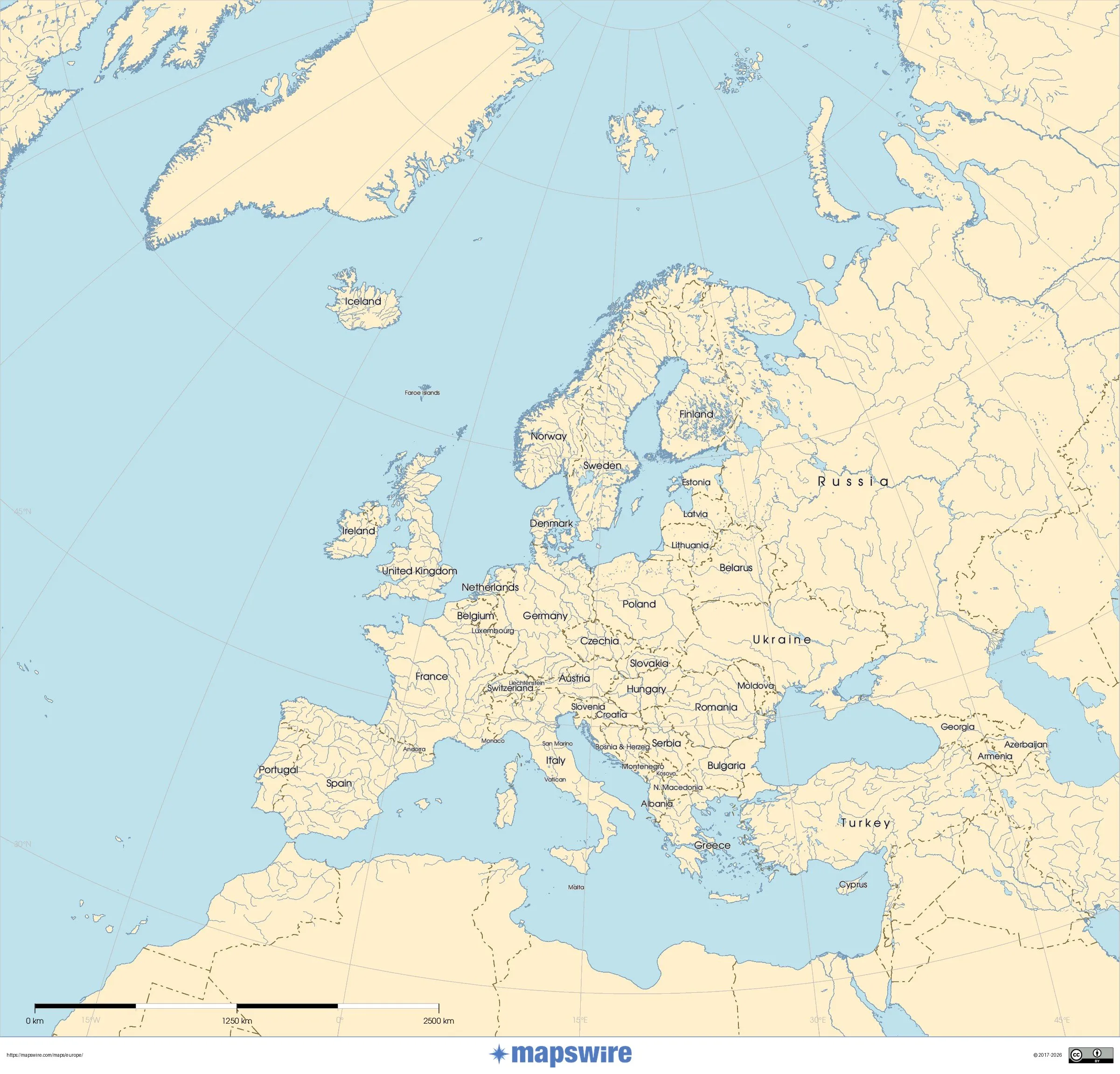
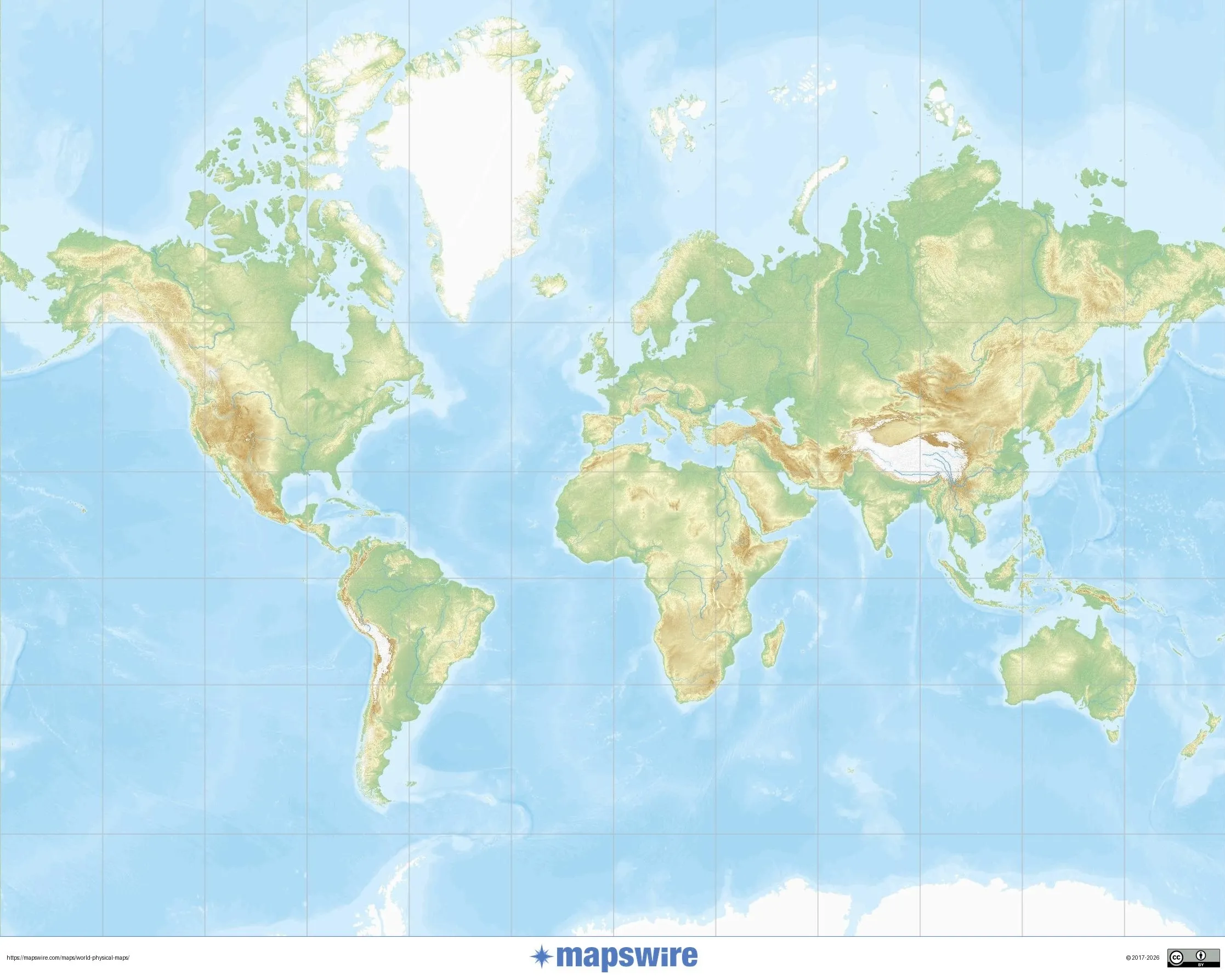
Europe World
europe map

Related Links

Other Languages

Comments