The Musical Revolution of the Era of Revolution
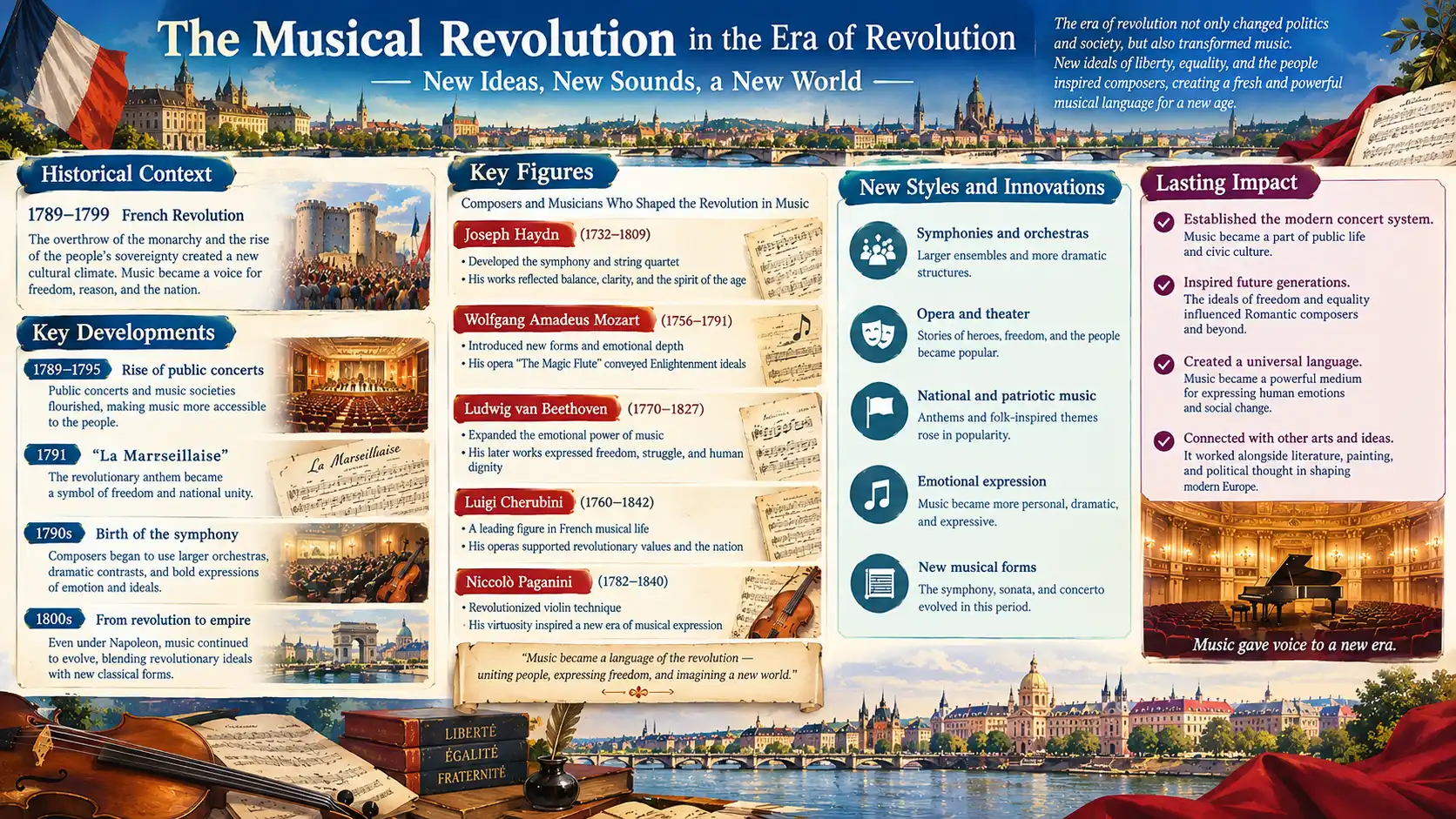
Musical Revolution
During the Era of Revolution, European music underwent a dramatic transformation as composers shifted from classical constraints to expressive Romanticism. Driven by social changes, nationalism, and expanding public concert cultures, music became a vehicle for deep personal emotion, literary narrative, and political expression, redefining orchestra, opera, and solo performance across Europe.
People
Birth
Death
Origin
Age (Death)
| 1770 | |
|---|---|
| 1797 | |
| 1809 | |
| 1810 | |
| 1813 | |
| 1824 | |
| 1825 | |
| 1833 |
Timeline
| Category | |
|---|---|
| Element |
| Year | Musical Revolution |
|---|---|
| 1770 |
Music Education from Early Childhood (Ludwig van Beethoven, Period: 1770s–1780s, Location: Bonn)
Birth of Ludwig van Beethoven (Period: Around December 16, 1770 (Baptized on December 17, 1770. Since there is no record of his exact date of birth, December 16 is generally estimated), Location: Bonn (present-day North Rhine-Westphalia, Germany))
|
| 1784 |
Commencement of Activity as Court Musician (Ludwig van Beethoven)
|
| 1787 |
First Visit to Vienna (Ludwig van Beethoven)
|
| 1792 |
War of the First Coalition
Permanent Relocation to Vienna (Ludwig van Beethoven)
|
| 1794 |
French Occupation of the Rhineland
|
| 1795 |
Establishment of Reputation as Pianist (Ludwig van Beethoven)
Success of Vienna Public Concert (Ludwig van Beethoven)
|
| 1796 |
Beethoven's Progressing Hearing Loss
|
| 1797 |
Birth of Franz Schubert (Period: January 31, 1797, Location: Vienna, Austria (present-day Himmelpfortgrund, Alsergrund district))
|
| 1798 |
War of the Second Coalition
|
| 1800 |
Premiere of Symphony No. 1
|
| 1802 |
Heiligenstadt Testament
|
| 1803 |
Napoleonic Wars
Composition of "Eroica" Symphony No. 3
|
| 1805 |
War of the Third Coalition
Premiere of Opera "Fidelio"
|
| 1806 |
War of the Fourth Coalition
|
| 1808 |
Enrollment in Stadtkonvikt (Franz Schubert)
Premiere of Fifth and Sixth Symphonies
|
| 1809 |
War of the Fifth Coalition
Completion and Premiere of "Emperor" Concerto
Birth of Felix Mendelssohn (Period: February 3, 1809, Location: Hamburg, Germany)
1809 French Occupation of Vienna
|
| 1810 |
Formation of Schubertiades (Franz Schubert)
Formation of interest in music and literature (Period: 1810s–1820s, Location: Zwickau, Germany)
Birth of Robert Alexander Schumann (Period: June 8, 1810, Location: Zwickau, Germany)
|
| 1812 |
"Immortal Beloved" Letter
Studies under Antonio Salieri (Franz Schubert)
Death of Mother Maria Magdalena (Franz Schubert)
|
| 1813 |
Birth of Richard Wagner (Period: May 22, 1813, Location: Leipzig, Germany)
Success of "Wellington's Victory"
|
| 1814 |
Congress of Vienna
Teaching Career at Father's School (Franz Schubert)
Marriage (Franz Schubert, Therese Grob)
|
| 1815 |
Composition of "Erlkönig"
Beginning of musical education
|
| 1816 |
Departure from Teaching at Father's School (Franz Schubert)
|
| 1821 |
Interactions with Goethe
|
| 1823 |
Composition of "Die schöne Müllerin"
|
| 1824 |
Creation of Late String Quartets
Musical education in childhood (Johannes Brahms)
Premiere of Symphony No. 9 "Choral"
Birth of Anton Bruckner (Period: September 4, 1824, Location: Ansfelden, Austria)
|
| 1825 |
Composition of the String Octet
Birth of Johann Baptist Strauss (Period: October 25, 1825, Location: Vienna, Austria)
|
| 1826 |
Composition of the Overture to "A Midsummer Night's Dream"
|
| 1827 |
Composition of "Winterreise"
Death of Ludwig van Beethoven
Attendance at Beethoven's Funeral (Franz Schubert)
Poor reception of the opera "The Marriage of Camacho"
|
| 1828 |
Creation of Works in Final Years (Franz Schubert)
Legal studies at the University of Leipzig
Encounter with the music of Beethoven
Public Concert of Own Works (Franz Schubert)
Death of Franz Schubert
Death and Burial Near Beethoven (Franz Schubert)
|
| 1829 |
First visit to England and European tour
Transfer to the University of Heidelberg and transition to becoming a musician
Revival performance of the "St. Matthew Passion"
|
| 1830 |
Relinquishment of career as a pianist due to right-hand disability
Studies under Friedrich Wieck
Intensification of composition activities for piano works
Musical conflict with his father Johann Strauss I
Violin and musical education from childhood
|
| 1831 |
Music studies at the University of Leipzig
|
| 1833 |
Failure to be appointed conductor of the Berlin Sing-Akademie (Felix Mendelssohn)
Appointment as Music Director in Düsseldorf (Felix Mendelssohn)
Birth of Johannes Brahms (Period: May 7, 1833, Location: Hamburg, Germany)
|
| 1834 |
Founding of the "Neue Zeitschrift für Musik"
|
| 1835 |
Appointment as Conductor of the Leipzig Gewandhaus Orchestra (Felix Mendelssohn)
|
| 1836 |
Marriage (Richard Wagner, Minna Planer)
|
| 1837 |
Engagement to Clara Wieck and marriage controversies
Marriage (Felix Mendelssohn, Cécile Charlotte Sophie Jeanrenaud)
|
| 1839 |
Lawsuit surrounding the marriage to Clara Wieck
|
| 1840 |
Concert tours across Europe
Marriage to Clara Schumann
Marriage (Robert Alexander Schumann, Clara Schumann (née Wieck))
|
| 1841 |
Full-scale expansion into symphonic and chamber music
|
| 1842 |
Success of "Rienzi"
|
| 1843 |
Establishment of the Leipzig Conservatory
Appointment as Royal Court Kapellmeister in Dresden (Richard Wagner)
Premiere of "The Flying Dutchman"
|
| 1844 |
Activities in Dresden and the 1849 Revolution
Debut at the Dommayer Casino
|
| 1845 |
Musical activities at St. Florian Monastery
Premiere of the "Violin Concerto in E minor"
Premiere of "Tannhäuser"
|
| 1846 |
Appointment as director of the Vienna Citizens' Regiment Band (Johann Baptist Strauss)
Premiere of "Elijah"
|
| 1847 |
Final years and death
Death of Fanny Mendelssohn
Death of Felix Mendelssohn
|
| 1848 |
First Schleswig War
Revolutions of 1848 / Spring of Nations
Changes in the environment at St. Florian Monastery due to the 1848 Revolutions
Participation in the 1848 Revolutions and arrest
|
| 1849 |
Formation of the concept of the "Gesamtkunstwerk" (Total Work of Art)
Conflict over appointment as Court Ball Music Director (Johann Baptist Strauss)
Merger with his father's orchestra
Dresden May Uprising
Flight from Dresden and exile from Germany (Richard Wagner)
Death of his father Johann Strauss I
|
| 1850 |
Encounter with Eduard Reményi (Johannes Brahms)
Appointment as Music Director in Düsseldorf (Robert Alexander Schumann)
Premiere of "Genoveva"
Completion and premiere of "Lohengrin"
|
| 1853 |
Encounter with Joseph Joachim (Johannes Brahms)
Concert Tour with Eduard Reményi (Johannes Brahms)
Encounter with Robert Schumann (Johannes Brahms)
Meeting with Johannes Brahms
Schumann's Review "Neue Bahnen"
|
| 1854 |
Mental Illness and Death of Robert Schumann
Close Relationship with Clara Schumann (Johannes Brahms)
Marriage (Johannes Brahms, Clara Schumann)
Encounter with Schopenhauer's philosophy
Suicide attempt by jumping into the Rhine
Admission to the Endenich sanatorium
|
| 1855 |
Appointment as organist of Linz Cathedral (Anton Bruckner)
|
| 1856 |
Studies under Simon Sechter
Death of Robert Alexander Schumann
|
| 1857 |
Activities at Detmold Court (Johannes Brahms)
|
| 1861 |
Uproar over the Paris version of "Tannhäuser"
|
| 1862 |
Settling in Vienna (Johannes Brahms)
Marriage (Johann Baptist Strauss, Henriette Treffz)
|
| 1863 |
Appointment as Court Ball Music Director (Johann Baptist Strauss)
|
| 1864 |
Support from Ludwig II and expulsion from Munich
|
| 1865 |
Completion of "A German Requiem"
Scandal surrounding the relationship with Cosima
Premiere of "Tristan und Isolde"
|
| 1866 |
Composition and premiere of "The Blue Danube"
|
| 1868 |
Appointment as court organist at the Imperial Chapel in Vienna (Anton Bruckner)
Premiere of "A German Requiem"
Premiere of "Die Meistersinger von Nürnberg"
|
| 1869 |
Publication of "Hungarian Dances"
International success as an organ virtuoso
|
| 1870 |
Conflict over evaluation in the Viennese musical world
Successive revisions of symphonies and the edition issues
Interactions with Johannes Brahms
Marriage (Richard Wagner, Cosima Wagner (née von Bülow))
|
| 1872 |
Performance activities in the United States
|
| 1874 |
Completion of Symphony No. 4 "Romantic"
Premiere of "Die Fledermaus"
|
| 1875 |
Appointment as lecturer in music theory at the University of Vienna (Anton Bruckner)
|
| 1876 |
First complete performance of "Der Ring des Nibelungen"
|
| 1877 |
Completion of Symphony No. 2
|
| 1878 |
Marriage (Johann Baptist Strauss, Angelika Dittrich)
|
| 1879 |
Premiere of Violin Concerto
|
| 1882 |
Divorce issues surrounding Catholic canon law
Premiere of "Parsifal"
|
| 1883 |
Completion and Premiere of Symphony No. 3
Death of Richard Wagner
|
| 1884 |
Completion and Premiere of Symphony No. 4
Success of Symphony No. 7
|
| 1885 |
Success of "The Gypsy Baron"
|
| 1886 |
Awarding of the Order of Franz Joseph
|
| 1887 |
Completion of Symphony No. 8
Marriage to Adele and revitalization of compositional activity
Marriage (Johann Baptist Strauss, Adele Deutsch)
|
| 1891 |
Composition of Symphony No. 9
|
| 1892 |
Retirement from the position at the University of Vienna (Anton Bruckner)
|
| 1896 |
Death of Clara Schumann and Final Works (Johannes Brahms)
Death of Clara Schumann
Death of Anton Bruckner
|
| 1897 |
Death of Johannes Brahms
|
| 1899 |
Death of Johann Baptist Strauss
|
| Unknown |
Marriage (Ludwig van Beethoven, None, Period: Lifelong unmarried, Location: N/A)
Marriage (Franz Schubert, None, Period: Lifelong unmarried, Location: None)
Marriage (Johannes Brahms, None, Period: Lifelong unmarried, Location: None)
Marriage (Anton Bruckner, None, Period: Lifelong unmarried, Location: N/A)
|
Map
| Category | |
|---|---|
| Element |
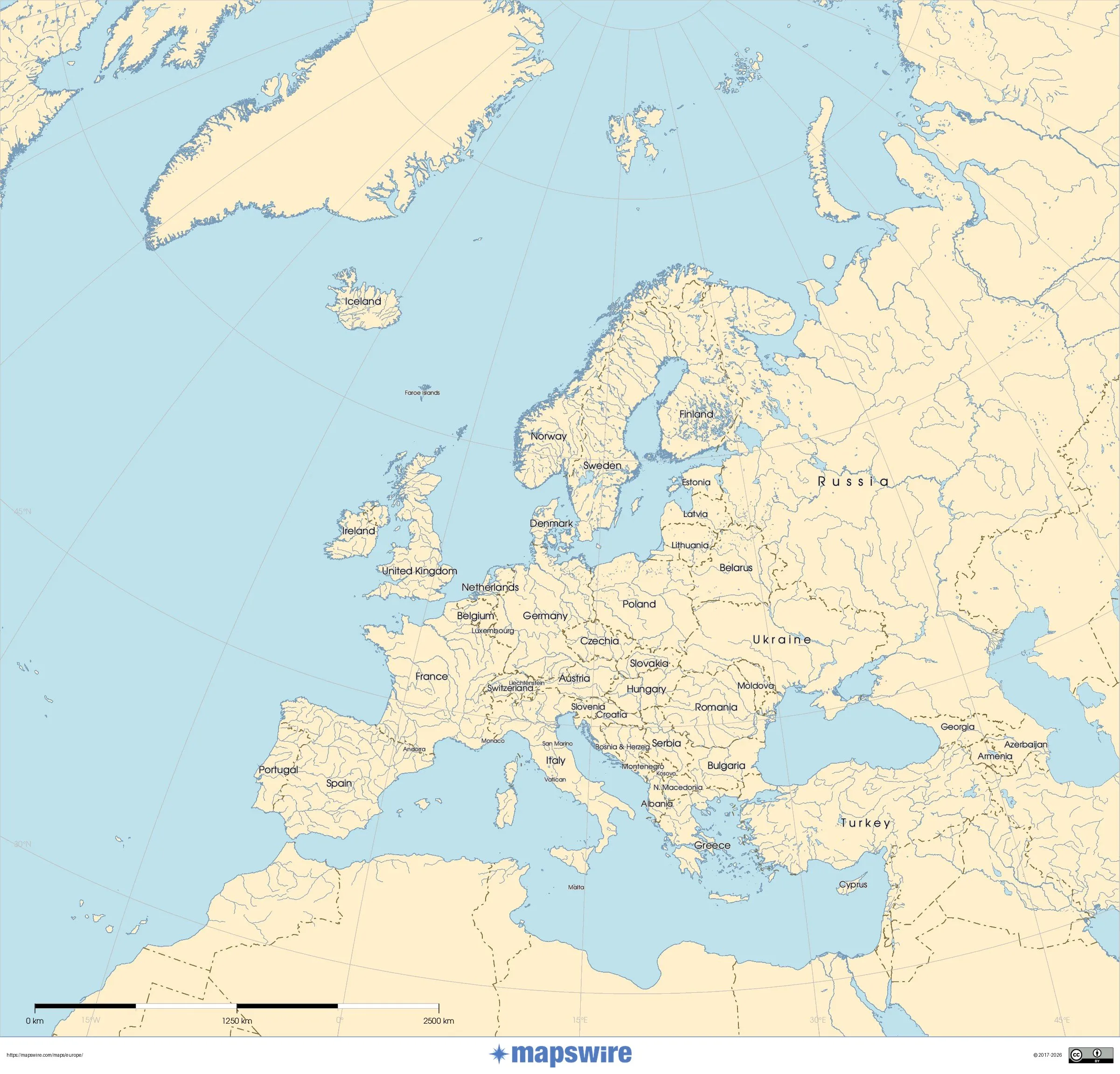
Europe
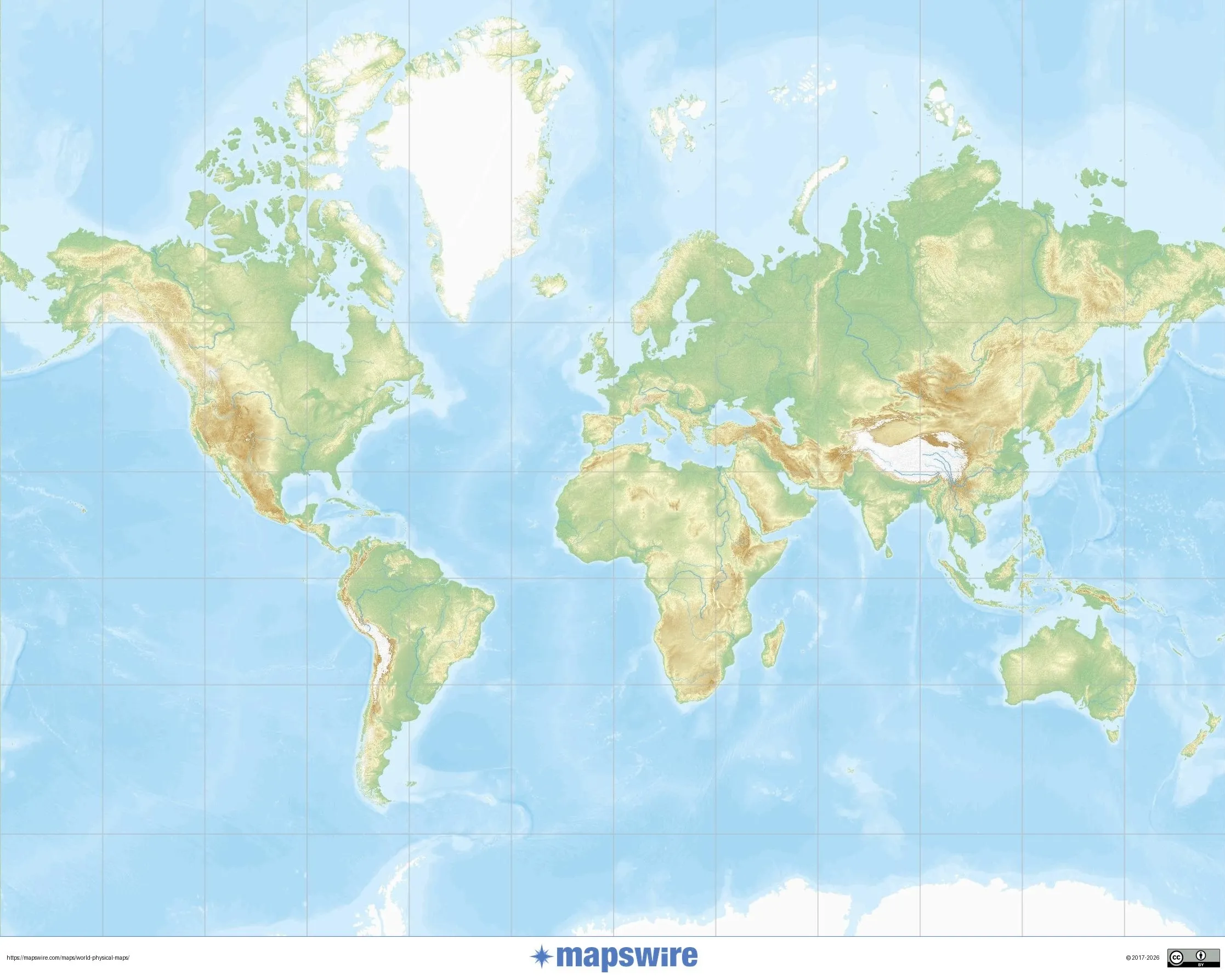
World
Related Links
| Group | List |
|---|---|
| Western Europe | Napoleonic Era Victorian Era Music |
| Central Europe | liberalism German Empire Musical Revolution Marxism |
Comments