The Scientific Revolution of the Renaissance Era
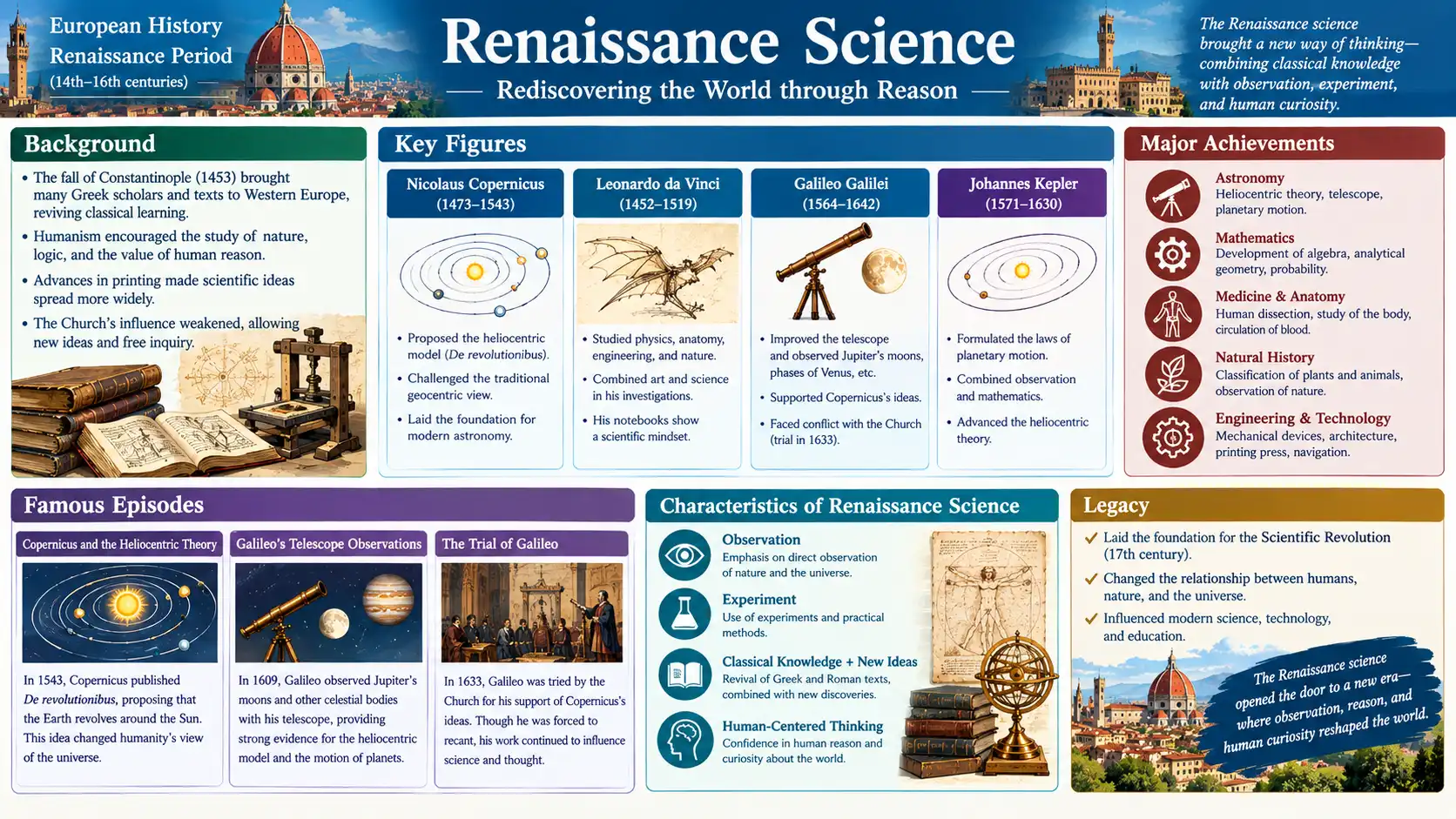
Renaissance science
The Renaissance period witnessed a profound transformation in European scientific thought, shifting from ancient scholastic traditions to empirical observation and mathematical rigor. Fueled by humanism and the rediscovery of classical texts, scholars made groundbreaking advances in astronomy, anatomy, mathematics, and cartography. This intellectual shift challenged long-held dogmas, laid the foundational principles of the modern scientific method, and forever changed humanity's understanding of the natural world.
People
Birth
Death
Origin
Age (Death)
| 1473 | |
|---|---|
| 1512 | |
| 1514 | |
| 1548 | |
| 1550 | |
| 1564 |
Timeline
| Category | |
|---|---|
| Element |
| Year | Renaissance science |
|---|---|
| 1473 |
Birth of Nicolaus Copernicus (Period: February 19, 1473, Location: Toruń, Poland)
|
| 1496 |
Research at the University of Bologna (Nicolaus Copernicus)
|
| 1497 |
Appointment as Canon of the Warmia Chapter (Nicolaus Copernicus)
|
| 1500 |
Lectures on mathematics and astronomy in Rome (Nicolaus Copernicus)
|
| 1501 |
Studies in medicine and law at the University of Padua (Nicolaus Copernicus)
|
| 1503 |
Return to Frombork (Nicolaus Copernicus)
|
| 1506 |
Entry into the Dominican Order (Filippo Bruno)
|
| 1510 |
Establishment of the heliocentric theory "Commentariolus"
Composition of "Commentariolus"
Administrative and diplomatic activities in the Warmia region (Nicolaus Copernicus)
|
| 1512 |
Birth of Gerard de Kremer (Period: March 5, 1512, Location: Rupelmonde, present-day part of Sint-Niklaas, Belgium)
|
| 1513 |
Ordination to the Priesthood (Filippo Bruno)
|
| 1514 |
Birth of Andries van Wesel (Period: December 31, 1514, Location: Brussels, present-day Belgium)
|
| 1517 |
Research on monetary reform (Nicolaus Copernicus)
|
| 1519 |
Polish-Teutonic War
|
| 1520 |
Defense of Olsztyn Castle
Preparations for the defense of Olsztyn Castle
Education in Leuven (Andries van Wesel)
|
| 1521 | |
| 1527 |
Education at Brethren of the Common Life (Gerard de Cremer)
|
| 1530 |
Conflict with Galenic anatomy
Studies at the University of Leuven (Gerard de Cremer)
|
| 1533 |
Medical studies at the University of Paris (Andries van Wesel)
|
| 1534 |
Establishment of map and surveying instrument workshop
|
| 1536 |
Anatomical research in Leuven (Andries van Wesel)
Marriage (Gerard de Cremer, Barbara Schellekens)
|
| 1537 |
Obtaining Doctorate in Medicine at the University of Padua (Andries van Wesel)
Appointment as Professor of Anatomy at the University of Padua (Andries van Wesel)
Production and publication of map of Palestine (Gerard de Cremer)
Surveying and production of map of Flanders (Gerard de Cremer)
|
| 1538 |
Publication of "Six Anatomical Tables"
|
| 1539 |
Interactions with Rheticus (Nicolaus Copernicus)
|
| 1540 |
Completion and publication preparations of "De revolutionibus orbium coelestium"
Activities as a military surgeon (Andries van Wesel)
|
| 1541 |
Production of terrestrial globe (Gerard de Cremer)
|
| 1543 |
Publication of "De revolutionibus orbium coelestium"
Habsburg-Valois Wars
Criticism of Vesalius's anatomical method
Publication of "De humani corporis fabrica"
Appointment as personal physician to Emperor Charles V (Andries van Wesel)
Publication of "De revolutionibus orbium coelestium"
Death of Nicolaus Copernicus
|
| 1544 |
Arrest and imprisonment on suspicion of heresy (Gerard de Cremer)
Imprisonment on charges of heresy (Gerard de Cremer)
|
| 1546 |
Publication of "On the Chinese Root"
Marriage (Andries van Wesel, Anne van Hamme)
|
| 1548 |
Birth of Filippo Bruno (Period: Around January or February 1548 (exact date unknown), Location: Nola, present-day Campania, Italy)
|
| 1550 |
Birth of John Napier (Period: February 1, 1550, Location: Edinburgh, present-day Scotland)
|
| 1551 |
Investigation in Salamanca
Production of celestial globe (Gerard de Cremer)
|
| 1552 |
Relocation from Leuven due to religious conflict (Gerard de Cremer)
Religious and academic activities in Duisburg (Gerard de Cremer)
Relocation to Duisburg (Gerard de Cremer)
|
| 1554 |
Production of "Map of Europe" (Gerard de Cremer)
|
| 1555 |
Publication of revised edition of "De humani corporis fabrica"
Appointment as personal physician to Philip II (Andries van Wesel)
|
| 1560 |
Legends surrounding human vivisection
Research on chronology (Gerard de Cremer)
Academic studies in Europe (John Napier)
|
| 1562 |
French Wars of Religion
|
| 1563 |
Studies at the University of St Andrews (John Napier)
|
| 1564 |
Pilgrimage to Jerusalem (Andries van Wesel)
Request to return to the University of Padua (Andries van Wesel)
Appointment as cosmographer to the Duke of Cleves (Gerard de Cremer)
Birth of Galileo Galilei (Period: February 15, 1564, Location: Pisa, Italy)
Shipwreck off Zakynthos (Andries van Wesel)
Death of Andries van Wesel
Death on Zakynthos (Andries van Wesel)
|
| 1568 |
Marian Civil War
Eighty Years' War
|
| 1569 |
Publication of 1569 world map
Production of "World Map on Mercator Projection"
|
| 1570 |
Conception of "Atlas" and map production
|
| 1571 |
Return to Scotland (John Napier)
|
| 1572 |
Marriage (John Napier, Elizabeth Stirling)
|
| 1573 |
Research activities at Gartness (John Napier)
|
| 1575 |
Suspicion of theological heresy (Filippo Bruno)
|
| 1576 |
Flight from the Dominican Order (Filippo Bruno)
Beginning of European wanderings
|
| 1579 |
Conflict with Calvinists in Geneva (Filippo Bruno)
Teaching philosophy in Toulouse and departure (Filippo Bruno)
|
| 1580 |
Anglo-Spanish War
Marriage (John Napier, Agnes Chisholm)
|
| 1581 |
Research and lectures on mnemotechnics in Paris (Filippo Bruno)
Beginning medical studies at the University of Pisa (Galileo Galilei)
|
| 1583 |
Disputes at the University of Oxford (Filippo Bruno)
Stay in England and literary activities (Filippo Bruno)
|
| 1584 |
Publication of "The Ash Wednesday Supper"
Publication of "On the Infinite, Universe and Worlds"
|
| 1585 |
Departure from the University of Pisa (Galileo Galilei)
|
| 1586 |
University activities in Germany and Central Europe (Filippo Bruno)
|
| 1588 |
Spanish Armada invasion crisis
Appointment as delegate to General Assembly (John Napier)
|
| 1589 |
Marriage (Gerard de Cremer, Gertrud Vierlings)
Activities regarding falling bodies experiment from Leaning Tower
|
| 1590 |
Revision and publication of "Geographia"
Research on logarithms (John Napier)
Writing major works in Frankfurt (Filippo Bruno)
Development of military compass (Galileo Galilei)
|
| 1591 |
Return to Venice (Filippo Bruno)
|
| 1592 |
Spanish Blanks Plot
Appointment as professor at the University of Padua (Galileo Galilei)
Arrest by Venetian Inquisition (Filippo Bruno)
|
| 1593 |
Publication of "A Plaine Discovery of the Whole Revelation of Saint John"
Trial by Roman Inquisition (Filippo Bruno)
Transfer to Rome (Filippo Bruno)
Dispatch of embassy to James VI
Lobbying James VI on religious policy
|
| 1594 |
Contract for searching hidden treasure
Death of Gerard de Kremer
|
| 1596 |
"Secret Inventions" regarding military technology
|
| 1599 |
Final resistance to Inquisition (Filippo Bruno)
|
| 1600 |
Heresy conviction and execution at the stake (Filippo Bruno)
Death of Filippo Bruno
Death at the stake (Filippo Bruno)
|
| 1608 |
Death of father and inheritance of Merchiston (John Napier)
|
| 1609 |
Improvement of telescope and astronomical observations (Galileo Galilei)
|
| 1610 |
Publication of "Sidereus Nuncius"
Relocation to the Florentine court (Galileo Galilei)
|
| 1613 |
Disputes over Copernicus's heliocentric theory (Galileo Galilei)
|
| 1614 |
Publication of "Mirifici Logarithmorum Canonis Descriptio"
|
| 1615 |
Interactions with Henry Briggs (John Napier)
First Inquisition over Galileo's heliocentrism (Galileo di Vincenzo Bonaiuti de' Galilei)
|
| 1616 |
Warning against heliocentric theory (Galileo Galilei)
|
| 1617 |
Publication of "Rabdologiae"
Death of John Napier
|
| 1623 |
Publication of "The Assayer"
|
| 1632 |
Galileo trial over "Dialogue Concerning the Two Chief World Systems"
Publication of "Dialogue Concerning the Two Chief World Systems"
|
| 1633 |
House arrest (Galileo Galilei)
Later research in Arcetri (Galileo Galilei)
Inquisition verdict (Galileo Galilei)
|
| 1638 |
Publication of "Two New Sciences" (Galileo Galilei)
|
| 1642 |
Death of Galileo Galilei
|
| 1755 |
Studies at the University of Kraków (Nicolaus Copernicus)
|
| Unknown |
Marriage (Nicolaus Copernicus, None, Period: N/A, Location: N/A)
Marriage (Filippo Bruno, None, Period: N/A, Location: N/A)
Marriage (Galileo Galilei, None, Period: N/A, Location: N/A)
|
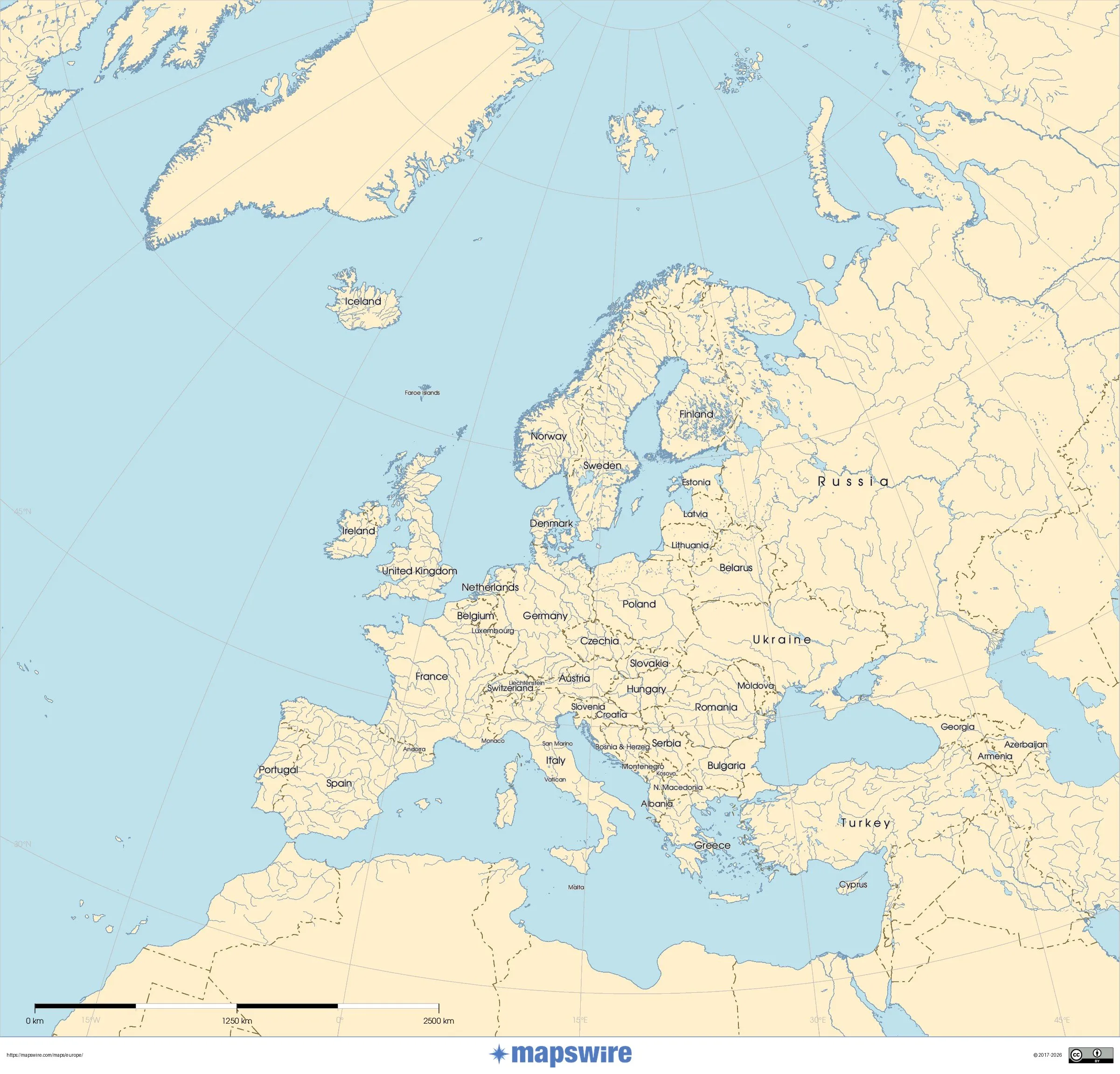
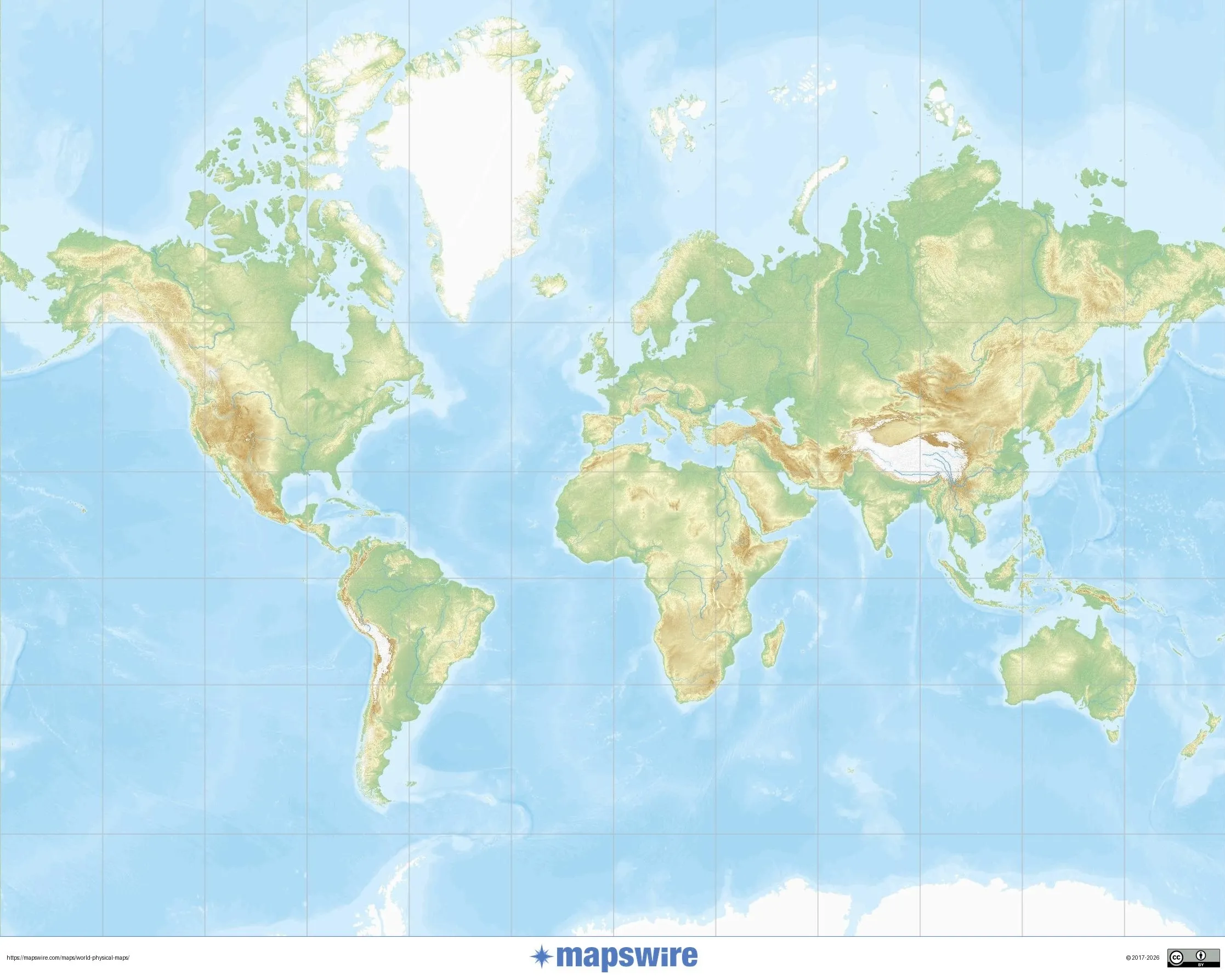
Map
| Category | |
|---|---|
| Element |
Europe
World
Related Links
| Group | List |
|---|---|
| Western Europe | The English royal family The English Reformation Renaissance science Renaissance Art |
| Central Europe | Holy Roman Emperor German Reformation German Renaissance Art Polish Science |
Comments