Navigating the Shattering Impact of the First Opium War
Navigating the Shattering Impact of the First Opium War

Daoguang Emperor

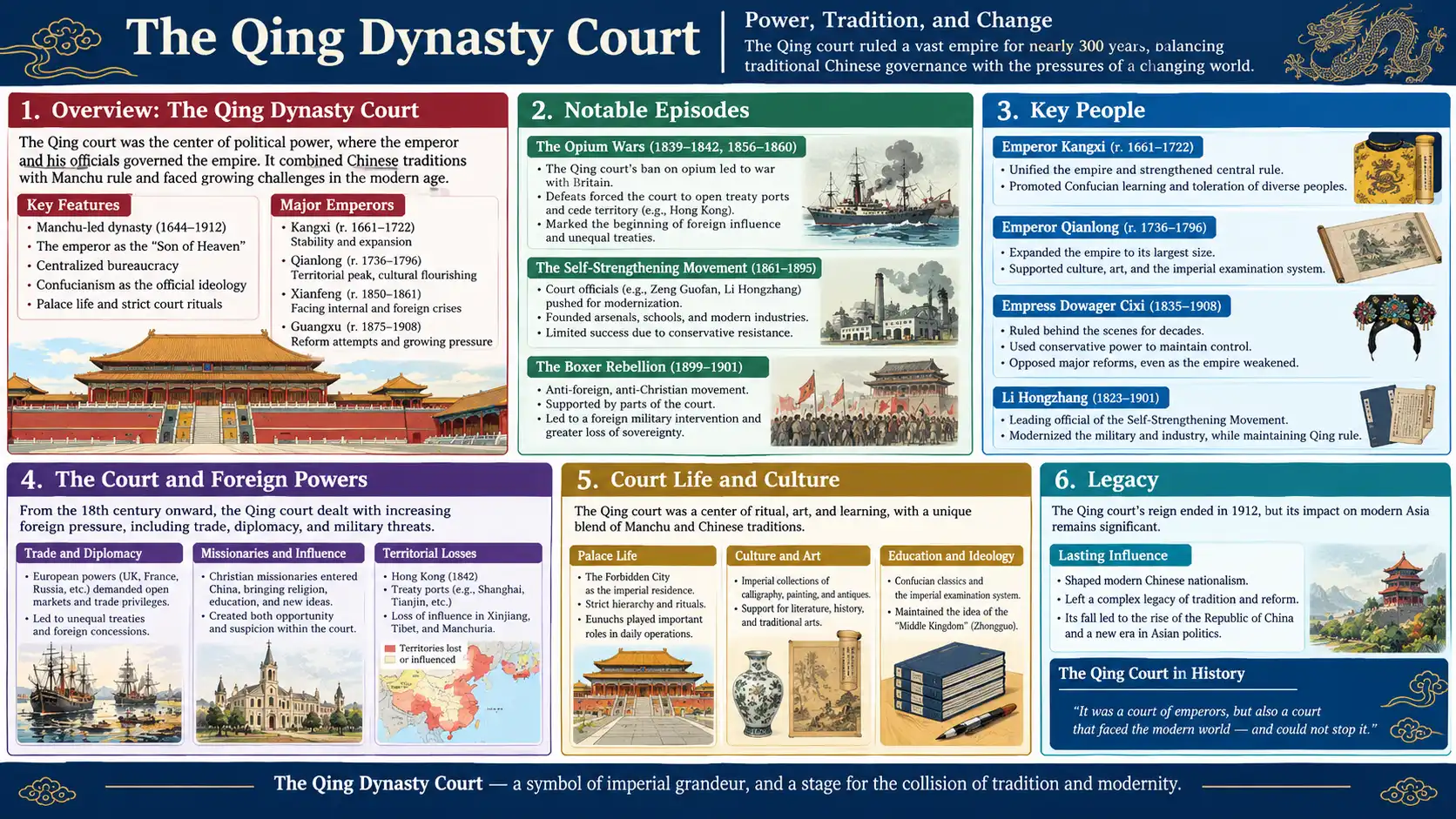
The 7th emperor of the Qing dynasty, who reigned from 1820 to 1850. Born as the second son of the Jiaqing Emperor, he attempted to restore finances and administration after his accession, but faced domestic social unrest and the expansion of Western powers. During his reign, the opium problem escalated, and following the anti-opium campaign led by Lin Zexu, the First Opium War broke out in 1840. The Qing dynasty was defeated and accepted the cession of Hong Kong Island and changes to the trade system through the Treaty of Nanking. In his later years, social tensions grew that would lead to the Taiping Rebellion, making him an emperor of an era in which the weakening of the Qing dynasty progressed.

Timeline

Category
Element
Year Daoguang Emperor
1782
Birth of Daoguang Emperor (Period: September 16, 1782, Location: Beijing, China (near Xie Fang Dian inside the Forbidden City))
1796
Marriage (Daoguang Emperor, Empress Xiaomucheng, Age: 13 years old, Period: 1796, Location: Residence of Qing Imperial Family, Beijing)
1809
Marriage (Daoguang Emperor, Empress Xiaoshencheng, Age: 26 years old, Period: 1809, Location: Qing Imperial Court, Beijing)
1820
Qing Response to Rebellions in Xinjiang and Western Regions (Border Conflicts during the Daoguang Reign, Age: 37 years old, Period: 1820s–1840s, Location: Xinjiang, Oasis Regions North and South of Tianshan Mountains)
Reform of the Grain Transport and Salt Administration Systems (Age: 37 years old, Period: 1820s–1830s, Location: Various Regions across China, Especially Yangtze and Grand Canal Basins and Lianghuai Area)
Enthronement of the Emperor (Age: 38 years old, Period: October 3, 1820, Location: Forbidden City, Beijing, China)
1821
Marriage (Daoguang Emperor, Empress Xiaoquancheng, Age: 38 years old, Period: Became Empress in 1821, Location: Qing Imperial Court, Beijing)
1838
Appointment of Lin Zexu as Imperial Commissioner and the Anti-Opium Campaign in Guangdong (Age: 55 years old, Period: 1838–1839, Location: Beijing and Guangzhou, Guangdong Province, China)
1839
First Opium War (Age: 56 years old, Period: 1839–1842 (Main Battles 1840–1842), Location: Coastal Areas of China, Guangdong, Zhejiang, Lower Yangtze Region, etc.)
Military Clashes between Qing and Britain Prior to the First Opium War (Age: 56 years old, Period: 1839, Location: Pearl River Estuary, Kowloon Area, Guangdong Province, China)
Opium Crackdown and Destruction of Opium at Humen (Age: 56 years old, Period: 1839, Location: Humen, Guangdong Province, China (Around present-day Dongguan))
Lin Weixi Incident (Age: 56 years old, Period: 1839, Location: Around Kowloon, Guangdong Province, China)
1840
Anti-British Movement and Social Unrest in Guangzhou (Age: 57 years old, Period: 1840s, Location: Guangzhou, Guangdong Province, China)
Outbreak of the First Opium War (Age: 57 years old, Period: 1840, Location: Coastal Areas of China, Especially Guangdong and Zhejiang Directions)
Selection of the Crown Prince and Preparation for the Succession of the Xianfeng Emperor (Daoguang Emperor, Age: 57 years old, Period: 1840s–1850, Location: Forbidden City, Beijing, China)
Marriage (Daoguang Emperor, Empress Xiaojingcheng, Age: 57 years old, Period: Entered Inner Palace in 1825, Became Imperial Noble Consort in 1840, Location: Qing Imperial Court, Beijing)
1842
End of War via the Treaty of Nanking (Age: 59 years old, Period: 1842, Location: Nanjing, China)
Conclusion of the Treaty of Nanking (Age: 59 years old, Period: August 29, 1842, Location: Aboard British Warship off Nanjing, China)
1850
Death of Daoguang Emperor (Age: 67 years old, Period: February 26, 1850)
Death of the Daoguang Emperor (Age: 67 years old, Period: February 26, 1850, Location: Near Beijing, China, Old Summer Palace (Yuanmingyuan))
Unknown
Marriage (Daoguang Emperor, Other Consorts, Period: First Half of 19th Century, Location: Qing Imperial Court, Beijing)

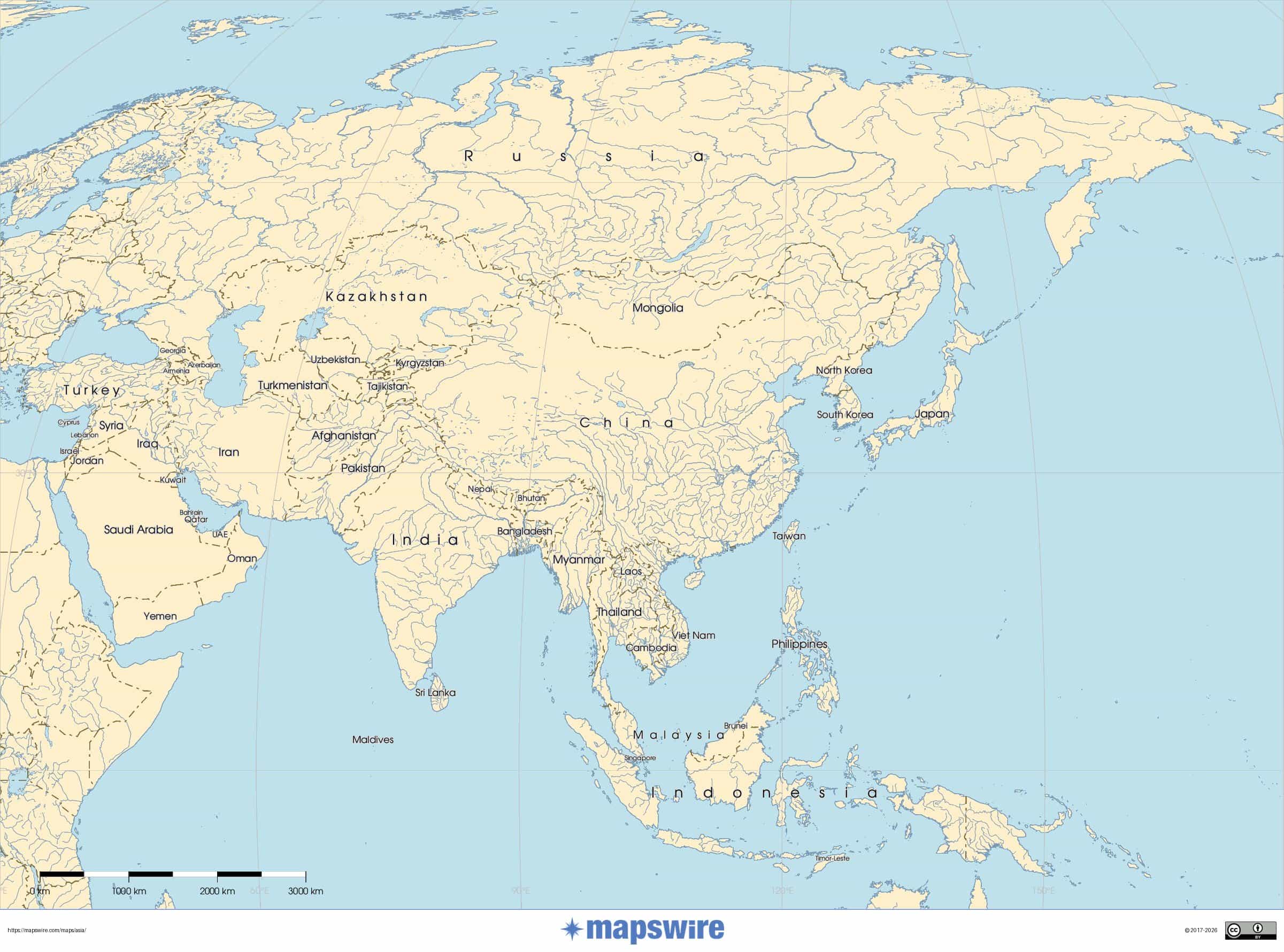
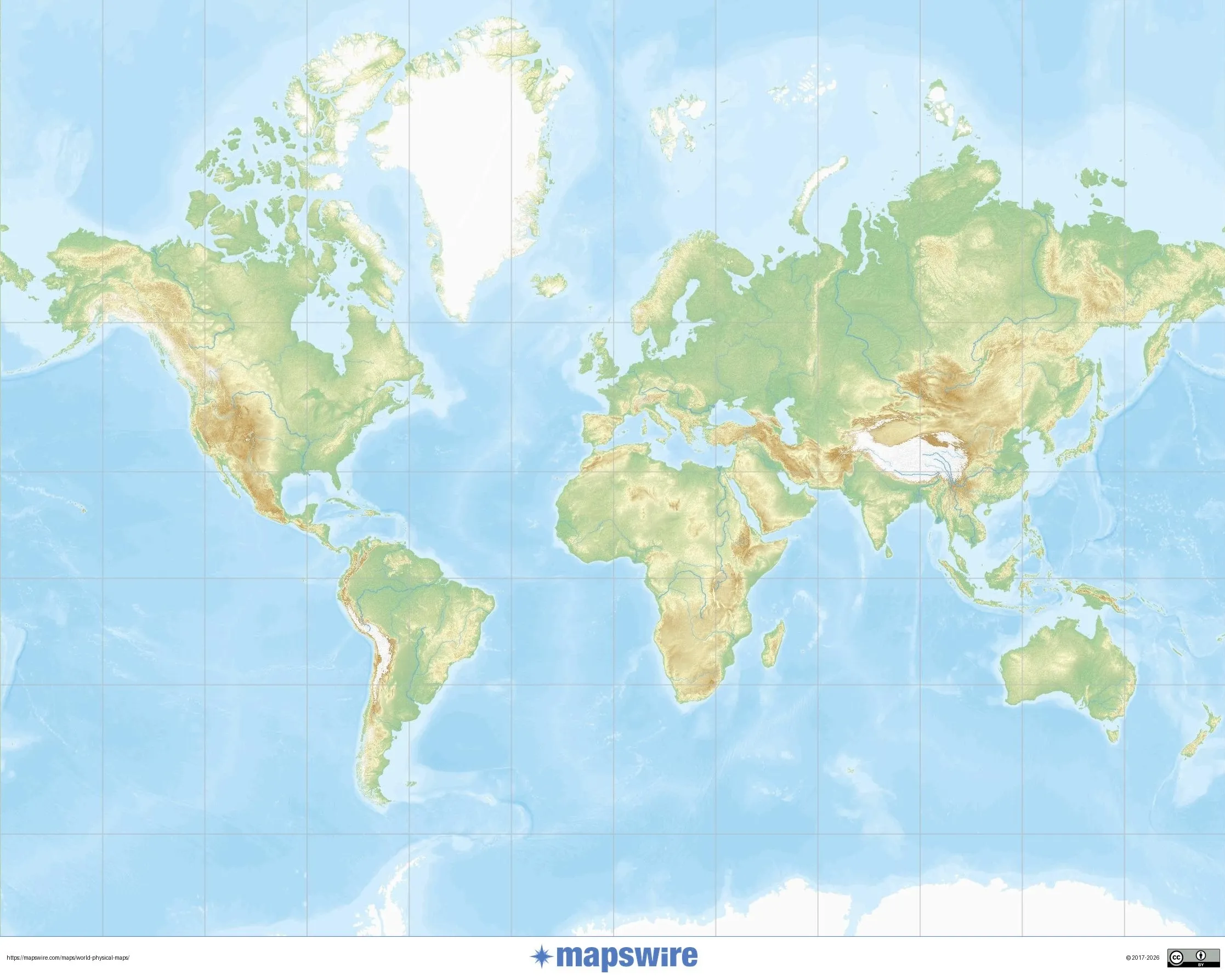
Map

Category
Element
Asia World
asia map

Related Links

Other Languages

Comments